TRENDING

Monday, 19 October 2026
----------------------
8 Jumada Al-Awwal 1448 AH
The sentencing of Mexican drug lord Ismael 'El Mayo' Zambada to life without parole marks a significant blow to the Sinaloa cartel's power and influence. The implications for Mexico's security and the US-Mexico relationship are far-reaching.
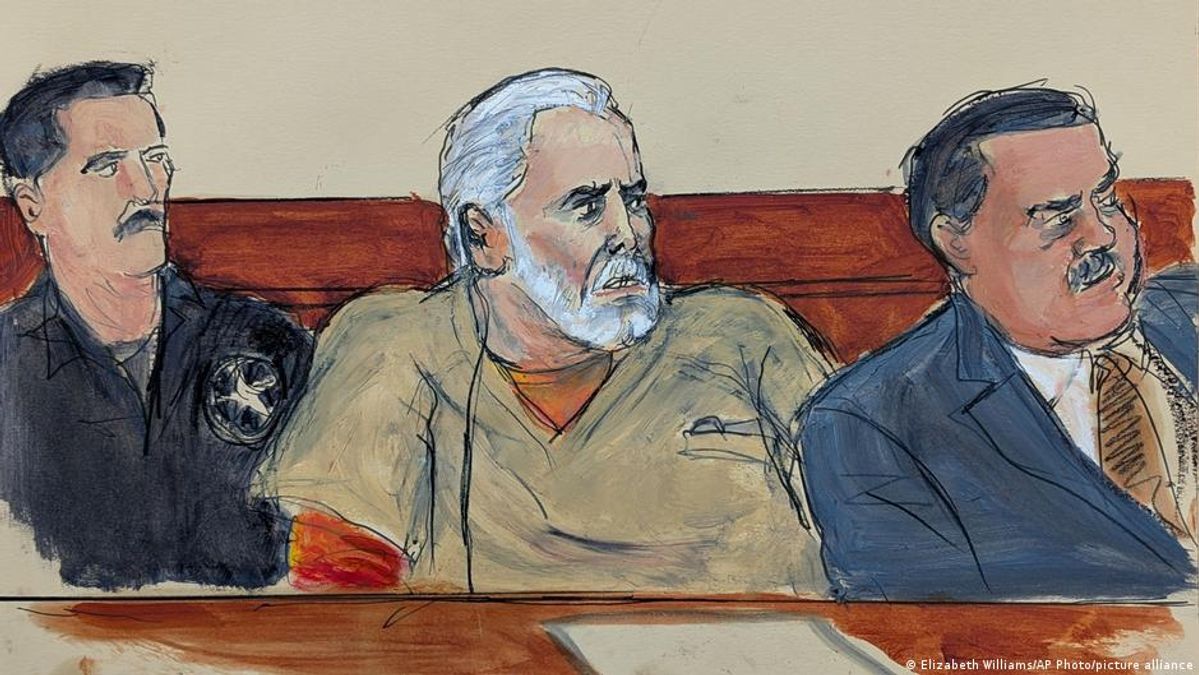
Mexican drug lord Ismael 'El Mayo' Zambada has been sentenced to life without parole in a US prison, marking a significant blow to the Sinaloa cartel's power and influence. Zambada, 76, was one of the most prominent Mexican drug traffickers to face sentencing in a US court since Joaquin 'El Chapo' Guzman was sentenced to life in prison in 2019.
Zambada's rise to power began in the 1980s, when he helped found and lead the Sinaloa cartel. He became one of the most wanted figures for US intelligence and law enforcement agencies for decades, accused of ordering torture and plotting murders, including the killing of his own nephew. The cartel's activities flooded the US with tons of cocaine, fentanyl, methamphetamine, and other drugs.
The US government's decision to sentence Zambada to life without parole is a significant victory in its efforts to dismantle the Sinaloa cartel. The sentence sends a strong message to other cartel leaders that they will face severe consequences for their actions. The US has designated the Sinaloa cartel as a Foreign Terrorist Organization, and Zambada's sentencing is a major blow to the cartel's operations.
The sentencing of El Mayo has significant implications for Mexico's security and the US-Mexico relationship. The Sinaloa cartel's power and influence have been a major concern for both countries, and Zambada's sentencing marks a significant step towards dismantling the cartel. However, the cartel's splintering into rival factions, including the Chapitos, or 'little Chapos,' led by El Chapo's sons, raises concerns about the potential for further violence and instability in the region.
The sentencing of El Mayo is likely to have far-reaching consequences for the Sinaloa cartel and the broader Mexican cartels. The US government's efforts to dismantle the cartel will continue, and the sentencing of Zambada marks a significant step towards achieving this goal. However, the cartel's splintering and the rise of rival factions raise concerns about the potential for further violence and instability in the region.
The Sinaloa cartel's rise to power began in the 1980s, when Zambada and El Chapo formed an alliance to control the flow of cocaine and other drugs into the US. The cartel's activities were marked by violence and brutality, including the killing of rival cartel members and law enforcement officials. The US government's efforts to dismantle the cartel began in the 1990s, but it wasn't until the 2010s that the cartel began to face significant challenges.
The sentencing of El Mayo marks a significant blow to the Sinaloa cartel's power and influence. The implications for Mexico's security and the US-Mexico relationship are far-reaching, and the sentencing of Zambada marks a significant step towards dismantling the cartel. However, the cartel's splintering and the rise of rival factions raise concerns about the potential for further violence and instability in the region.
Source referenced: DW
This brief was synthesized by our Editorial Engine and reviewed by The Ground Narrative team.