TRENDING

Monday, 19 October 2026
----------------------
8 Jumada Al-Awwal 1448 AH
In Athens' historically radical Exarchia district, an influx of foreign capital, predominantly from Israeli investors, is rapidly transforming the neighborhood into a hub for short-term rentals. This economic shift is displacing long-term residents, eroding local identity, and fueling deep-seated resentment among a community known for its pro-Palestine activism.
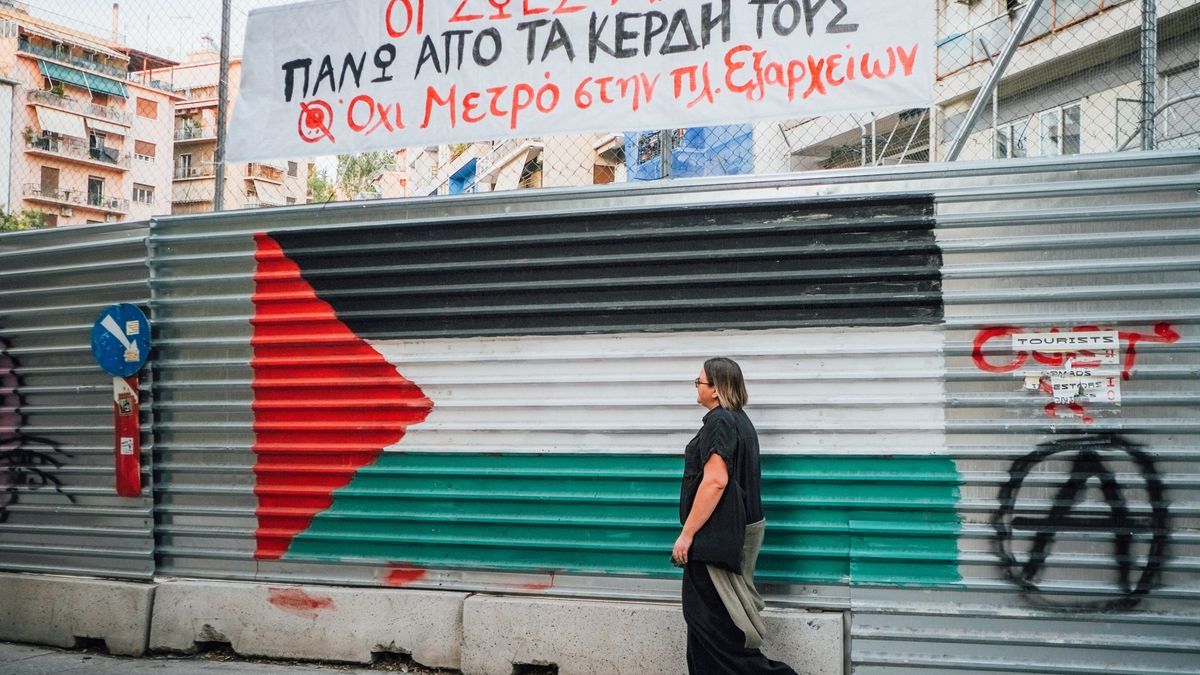
Athens' vibrant Exarchia district, long a bastion of radical left-wing politics and pro-Palestine sentiment, is undergoing a rapid and contentious transformation. An accelerating surge of foreign investment, with Israeli buyers identified as the largest group in the Attica region, is converting residential buildings into short-term rental properties. This economic shift has led to the displacement of long-term residents, the closure of traditional local businesses, and a palpable erosion of the neighborhood's unique identity, sparking widespread protests and acts of defiance from the community.
The forces reshaping Exarchia are a complex interplay of global capital flows, national economic policy, and local political dynamics. At its core, the phenomenon is driven by the search for stable, high-yield investments in a volatile global economy. For many Israeli investors, Greece has emerged as a particularly attractive destination, perceived as a safer haven for capital than their home country, which faces ongoing regional instability. This perception is reinforced by the Greek government's overtly friendly stance towards Israel, exemplified by significant defense agreements like the recent $3.5 billion missile deal.
The Greek state, still recovering from a decade of economic crisis, has actively courted foreign investment. Policies such as the
Exarchia is being gentrified due to an influx of foreign investment, primarily from Israeli buyers, who are converting residential properties into short-term rentals. Its central location, perceived investment opportunity, and favorable government policies have made it attractive to global capital.
The human cost includes the displacement of long-term residents, low-income families, and refugees due to rising rents. It also leads to the erosion of the neighborhood's unique identity, loss of local businesses, and increased social friction, particularly given Exarchia's pro-Palestine political stance.
The Greek government is attempting to cool the market by proposing an increase in transfer tax for non-EU homebuyers and has frozen new short-term rental licenses in central Athens. They are also offering state-backed mortgages to encourage local buyers.
Source referenced: ALJAZEERA
This brief was synthesized by our Editorial Engine and reviewed by The Ground Narrative team.