TRENDING

Monday, 19 October 2026
----------------------
8 Jumada Al-Awwal 1448 AH
Recent visits and ritual offerings by Japanese politicians to the controversial Yasukuni Shrine have once again ignited strong condemnation from China and other Asian nations. The shrine, which honors Japan's war dead including 14 Class-A war criminals from World War II, remains a potent symbol of unresolved historical grievances across the region.
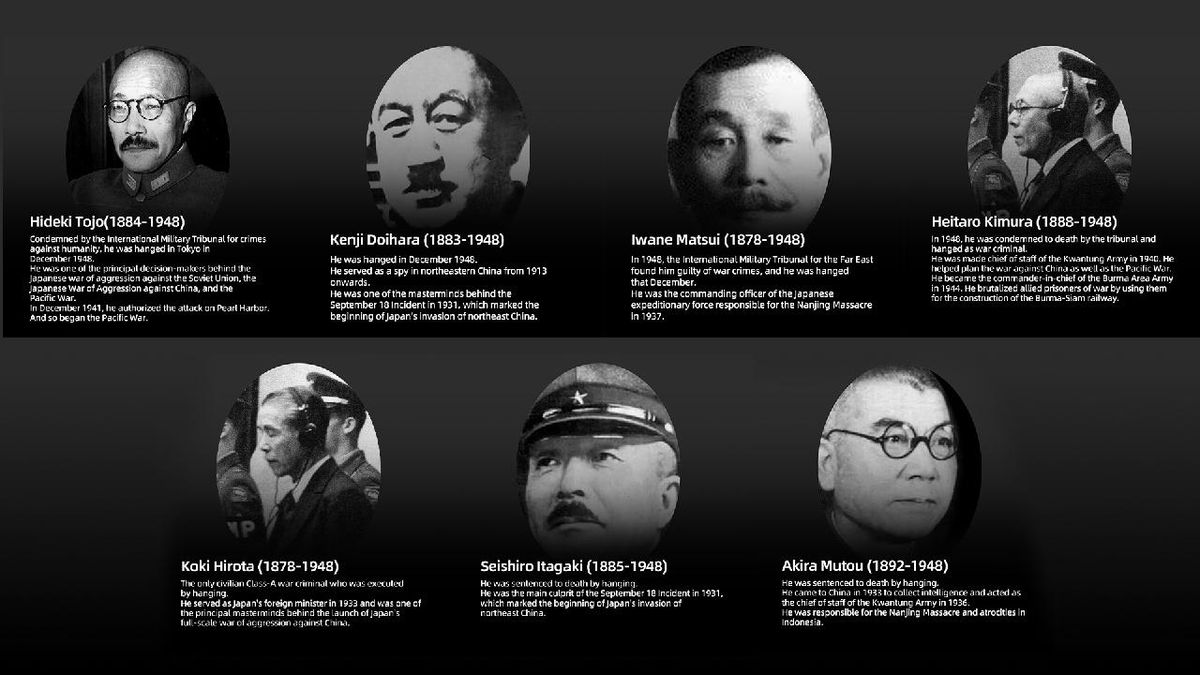
In a recurring pattern that consistently strains East Asian diplomatic relations, several Japanese politicians, including Prime Minister Sanae Takaichi, made ritual offerings or visited the controversial Yasukuni Shrine. The shrine, located in Tokyo, is dedicated to the souls of soldiers and others who died fighting on behalf of the Emperor of Japan. Its contentious nature stems from the enshrinement of 14 Class-A war criminals convicted by the International Military Tribunal for the Far East following World War II. These individuals were deemed directly responsible for Japan's brutal war of aggression across Asia. Predictably, China swiftly condemned these actions, with its embassy spokesperson in Japan labeling the shrine a
Yasukuni Shrine is a Shinto shrine in Tokyo, Japan, dedicated to the souls of soldiers and others who died fighting on behalf of the Emperor of Japan. It is controversial because it enshrines 14 Class-A war criminals from World War II, convicted of atrocities by the International Military Tribunal for the Far East, making it a symbol of Japanese militarism for many of Japan's neighbors.
Japanese politicians visit Yasukuni Shrine for a variety of reasons, often framed as honoring the nation's war dead and asserting national pride. For many, especially conservatives, it's a domestic political act to appeal to a nationalist base and signal a desire to move beyond what they perceive as an overly apologetic stance on Japan's wartime history.
Other Asian countries, particularly China and South Korea, strongly condemn Yasukuni Shrine visits. They view these visits as a glorification of Japan's wartime aggression and a denial of historical atrocities, leading to diplomatic protests, heightened tensions, and renewed calls for Japan to offer genuine remorse and reconciliation.
Source referenced: CGTN
This brief was synthesized by our Editorial Engine and reviewed by The Ground Narrative team.