TRENDING

Monday, 19 October 2026
----------------------
8 Jumada Al-Awwal 1448 AH
Washington's increased pressure on Cuba suggests the long-standing revolution may be nearing its end. This analysis explores the power dynamics, human costs, and what the world stands to lose if Cuba's unique role as a counter-narrative to global power structures fades.
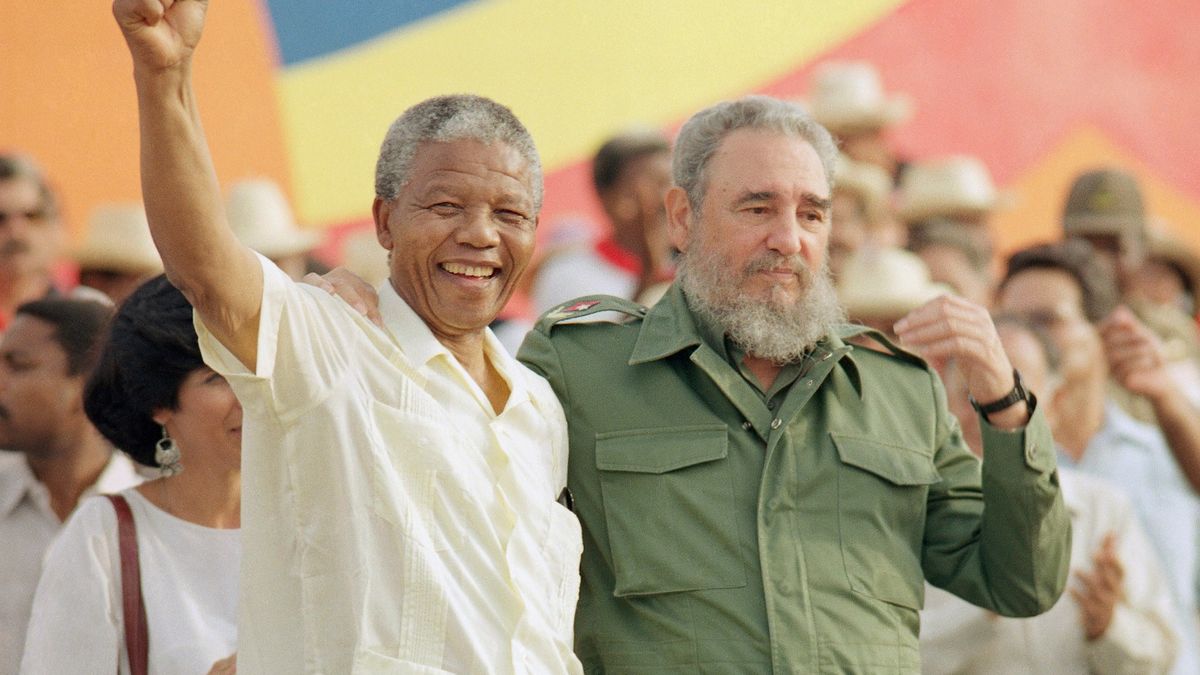
Recent intelligence suggests the United States is intensifying its focus on Cuba, with reports of military activity in the vicinity and repeated official statements emphasizing a desire for a “free Cuba.” This increased pressure follows a similar operation in Venezuela earlier in the year, leading many observers to believe a concerted effort to destabilize and potentially dismantle the Cuban Revolution is underway. The precise timing and method of any decisive US action remain unclear, but indications suggest the island nation, a symbol of defiance for over six decades, may be at a critical juncture.
The enduring standoff between the United States and Cuba is a complex interplay of historical grievances, ideological clashes, and strategic interests. For Washington, the drive to see a “free Cuba” is framed as a moral imperative, rooted in concerns over human rights and democratic governance. However, beneath this rhetoric lies a consistent geopolitical objective: to prevent the emergence of alternative political and economic models in its immediate sphere of influence. A socialist state just 90 miles from its shores has long been viewed as an unacceptable challenge to US regional hegemony, a perceived ideological threat that dates back to the Cold War.
The US economic embargo, the longest in modern history, serves as the primary instrument of this power dynamic. It is designed to exert maximum pressure, limiting Cuba's access to international markets, finance, and essential goods, thereby stifling its economic development and fostering internal discontent. The logic is that economic hardship will eventually force a change in regime, or at least a shift towards a market-oriented, US-aligned system. This strategy is reinforced by domestic political considerations within the US, where a powerful Cuban-American diaspora in key swing states maintains strong lobbying efforts for a hardline stance against Havana.
For Cuba, the revolution's survival against such overwhelming pressure has been its defining characteristic. The government's power mechanics have relied on a combination of tight internal political control, a robust state security apparatus, and a carefully cultivated narrative of national sovereignty and resistance against imperialism. This narrative has been bolstered by Cuban internationalism, a program that saw hundreds of thousands of doctors, educators, and engineers deployed to over 160 countries, particularly in the Global South. This soft power projection not only garnered significant international goodwill and diplomatic support but also provided a crucial economic lifeline through various exchange programs and resource sharing, especially after the collapse of the Soviet Union.
Economically, Cuba has demonstrated remarkable adaptability, albeit often out of necessity. Diversification and limited liberalization of its state-controlled economy, alongside initiatives like a nationwide sustainable agricultural revolution, were pragmatic responses to the embargo's tightening grip. These measures, however, were always balanced against the imperative of maintaining political stability and the revolutionary government's authority. The very existence of Cuba as a small, developing nation that could, at various points, surpass the US in social indicators like literacy and infant mortality, represented a powerful, if uncomfortable, counter-narrative to the prevailing global order, challenging the notion that only one path to development was viable.
The protracted struggle between Washington and Havana has exacted a heavy toll, primarily on the ordinary Cuban citizens caught between two powerful, unyielding forces. The US embargo, while ostensibly aimed at the Cuban government, directly impacts the daily lives of millions. Access to essential medicines, food, and technology is severely restricted, leading to chronic shortages and a diminished quality of life. Families struggle with limited economic opportunities, and the promise of a better future often feels out of reach, pushing many to seek migration, often through perilous routes.
Beyond economic hardship, the Cuban government's response to external pressure has often involved significant curtailment of civil liberties. Freedom of expression and assembly are heavily restricted, and access to independent information and the internet remains tightly controlled. Recent popular protests, often driven by economic desperation, have been met with swift and sometimes violent suppression by state security forces. This creates a climate of fear and self-censorship, where dissent can lead to imprisonment or other forms of state retaliation. The human cost here is the erosion of individual autonomy and the psychological burden of living under constant surveillance, where political loyalty can feel like a prerequisite for stability.
The potential collapse of the Cuban Revolution would also carry a significant human cost beyond the island's borders. For many nations in the Global South, Cuba has represented a symbol of resistance against neo-colonialism and a tangible example of solidarity. The loss of Cuba's internationalist programs, particularly its medical missions, would leave a void in healthcare provision in numerous developing countries that have long relied on Cuban doctors and expertise. Furthermore, the symbolic defeat of a long-standing alternative model to Western-centric development could foster a sense of resignation, suggesting that defiance against powerful nations is ultimately futile, thereby diminishing the aspirations of other smaller states seeking independent paths.
Both the United States and Cuba have carefully crafted narratives that downplay or omit inconvenient truths to maintain their respective positions. The US government's public statements consistently emphasize the need for
The US maintains a long-standing economic embargo against Cuba, intensified at various points. Recent policy indicates a renewed push for 'freedom' in Cuba, following similar actions in Venezuela, with reports of increased military activity nearby.
The Cuban Revolution has survived through a combination of tight internal political control, a strong narrative of national sovereignty against US aggression, and its 'internationalism' program, which provided soft power and economic lifelines through aid to other Global South nations.
The human costs include severe economic hardship for Cuban citizens due to the embargo, limited political freedoms and repression of dissent within Cuba, and the potential loss of Cuba's international aid programs for many developing countries if the revolution falls.
Source referenced: ALJAZEERA
This brief was synthesized by our Editorial Engine and reviewed by The Ground Narrative team.