TRENDING

Tuesday, 20 October 2026
----------------------
9 Jumada Al-Awwal 1448 AH
A rapidly expanding Ebola outbreak in the Democratic Republic of Congo is compelling neighboring countries and international organizations to bolster preparedness, as conflict in the eastern DRC severely complicates containment efforts. The crisis underscores the critical intersection of public health, regional stability, and humanitarian challenges.
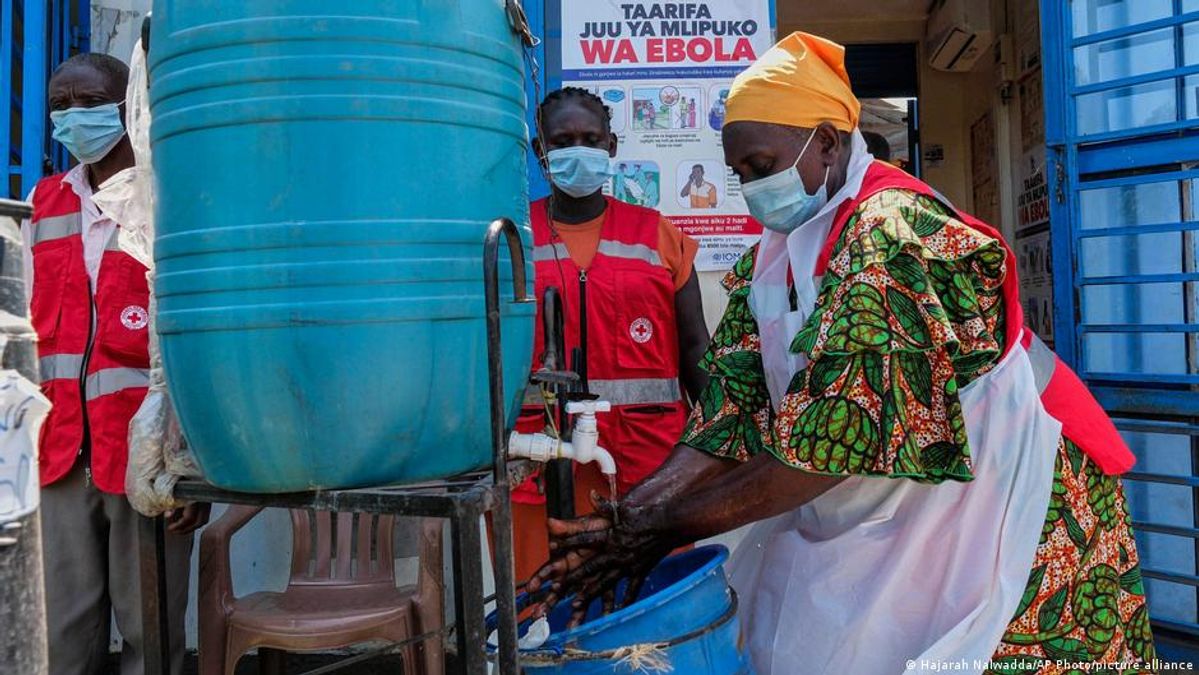
The Democratic Republic of Congo (DRC) is currently grappling with a significant and rapidly expanding outbreak of the Bundibugyo strain of Ebola, declared by the government on May 15. The DRC's Health Ministry reported at least 930 deaths among 2,344 confirmed cases. However, the World Health Organization (WHO) has issued a stark warning, suggesting that the actual number of cases could be up to four times higher than official figures, primarily due to undetected infections in conflict-affected areas of eastern DRC. This makes the current outbreak the third-largest Ebola outbreak on record and one that has expanded faster than any previous one over the past month.
The epicenter of this outbreak lies in eastern DRC, a region plagued by protracted conflict, insecurity, and significant population displacement. This volatile environment presents formidable challenges to public health efforts, hindering the identification of new cases, effective contact tracing, and the overall containment of the virus. Health experts note that while the DRC has experienced several Ebola outbreaks since the virus was first identified in 1976, the ongoing violence and instability make the current situation exceptionally difficult to manage. Attacks on treatment centers, widespread skepticism, and the proliferation of rumors further undermine containment strategies and discourage health workers, leading to increased movement of infected individuals and a higher risk of wider transmission.
In response to the escalating crisis, countries bordering the DRC have significantly ramped up their preparedness measures to mitigate the risk of cross-border transmission. Uganda, which has a history of successfully containing previous Ebola outbreaks, has intensified surveillance along its border with the DRC, particularly in the vulnerable western districts of Kisoro, Kanungu, and Rukungiri. Zambia, despite having no confirmed cases linked to the current outbreak, has reinforced screening at points of entry and activated provincial public health emergency response centers to coordinate rapid responses. Similarly, Rwanda has strengthened health screening at its borders, expanded disease surveillance, and prepared rapid response teams to investigate suspected cases.
The gravity of the situation has prompted a coordinated response from regional and international health bodies. The East African Community (EAC) has agreed on a unified strategy to enhance preparedness and reduce the risk of transmission across its member states. EAC Secretary General Stephen Mbundi highlighted collaborative efforts with the Africa Centres for Disease Control and Prevention (Africa CDC), the WHO, and other partners to bolster surveillance, laboratory testing capabilities, infection prevention and control, risk communication, and rapid response capacities. Africa CDC Director-General Jean Kaseya has specifically urged neighboring countries to strengthen their capacity for early detection, emphasizing its critical role in preventing wider spread.
The Ebola outbreak in the DRC carries significant geopolitical implications beyond immediate health concerns. An uncontrolled epidemic threatens regional stability, strains already fragile healthcare systems, and can disrupt economies through restrictions on trade and travel. The intersection of a severe public health crisis with ongoing conflict creates a complex humanitarian emergency that demands sustained international attention and resources. The WHO Director-General, Tedros Adhanom Ghebreyesus, has called on international donors to address a substantial funding gap of over $400 million for the joint WHO-Africa CDC preparedness and response plan. This appeal underscores the global responsibility to support vulnerable nations in combating health threats that can quickly transcend national borders and impact international health security. Sustained investment in surveillance, laboratory capacity, and robust regional cooperation remains paramount to preventing the virus from further spreading and averting a larger regional catastrophe.
While Uganda has reported some cases linked to the outbreak, other neighboring countries have yet to confirm any. However, health officials stress that vigilance is essential until transmission within the DRC is brought under control. The ongoing violence in eastern DRC continues to be the primary impediment to effective containment, making the current outbreak a critical test of global health security frameworks and the ability of the international community to respond effectively to complex emergencies in conflict zones. The long-term stability of the region is inextricably linked to the successful containment of this public health crisis.
Source referenced: DW
This brief was synthesized by our Editorial Engine and reviewed by The Ground Narrative team.


