TRENDING

Friday, 16 October 2026
----------------------
5 Jumada Al-Awwal 1448 AH
A rapidly spreading Ebola outbreak in eastern Congo has sparked global health concerns, with the World Health Organization declaring a public health emergency of international concern. The rare type of Ebola, known as the Bundibugyo virus, has spread undetected for weeks, with 51 confirmed cases and 139 suspected deaths.
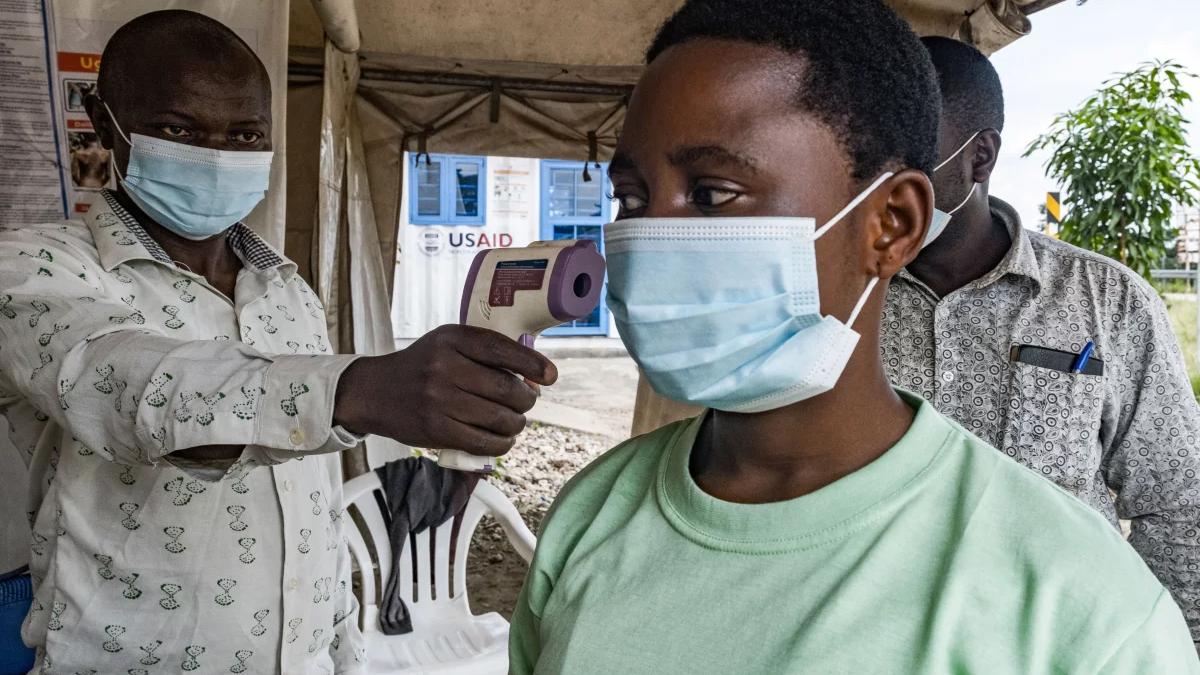
The Democratic Republic of Congo (DRC) is facing its 17th Ebola outbreak, with a rare type of the virus, known as the Bundibugyo virus, spreading rapidly in the eastern part of the country. The World Health Organization (WHO) has declared a public health emergency of international concern, citing the scale and speed of the outbreak.
The outbreak began in late March, with the first known death reported in the city of Bunia. Since then, 51 cases have been confirmed, with 139 suspected deaths and almost 600 suspected cases. The WHO has estimated that the actual number of cases could already exceed 1,000.
The rapid spread of the Ebola virus in Congo poses a significant threat to global health. The virus is highly contagious and spreads through contact with bodily fluids such as vomit, blood, or semen. The WHO has warned that the outbreak could last at least two months, with the potential for further spread to neighboring countries.
The outbreak in Congo highlights the country's fragile health system, which has been weakened by years of underfunding and conflict. The DRC has experienced immense pressure from conflict, displacement, and a collapsing health system, making it difficult to respond to the outbreak.
The WHO has deployed a team of experts to Congo to support the response efforts. The organization has also declared a public health emergency of international concern, which will trigger a global response to the outbreak. The US has pledged $23 million to support the response efforts, while the UK has announced a donation of £10 million.
The rapid spread of the Ebola virus in Congo has significant implications for global health. The outbreak highlights the need for improved health infrastructure and emergency preparedness in countries vulnerable to infectious diseases. It also underscores the importance of international cooperation in responding to public health emergencies.
The WHO has warned that the outbreak could last at least two months, with the potential for further spread to neighboring countries. The organization has called for increased funding and support to respond to the outbreak. The US and other countries have pledged support, but more needs to be done to contain the outbreak and prevent further spread.
The rapid spread of the Ebola virus in Congo is a global health concern that requires immediate attention. The outbreak highlights the need for improved health infrastructure and emergency preparedness in countries vulnerable to infectious diseases. It also underscores the importance of international cooperation in responding to public health emergencies.
Editor's Note: The actual number of cases could already exceed 1,000, according to the WHO's estimate.
Source referenced: NPR
This brief was synthesized by our Editorial Engine and reviewed by The Ground Narrative team.