TRENDING

Friday, 16 October 2026
----------------------
5 Jumada Al-Awwal 1448 AH
The recent Ebola outbreak in eastern Africa has been declared an emergency by the WHO, but aid cuts may have slowed the identification of the outbreak, highlighting the need for sustained global health funding.
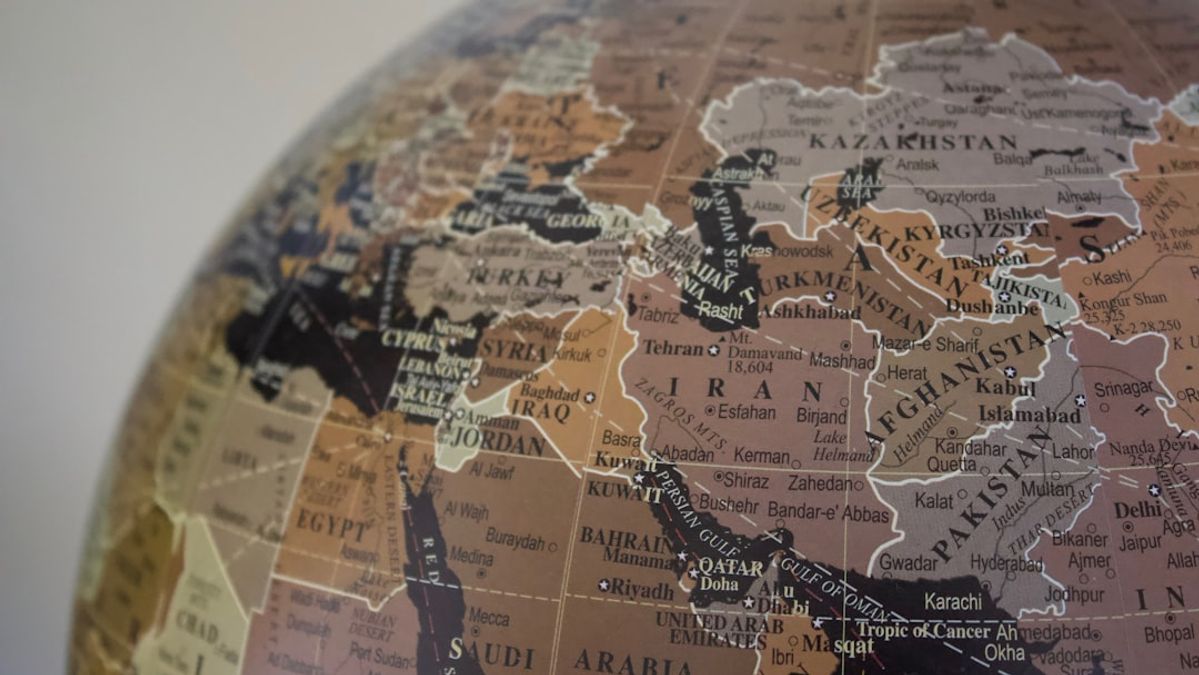
The recent Ebola outbreak in eastern Africa has sent shockwaves across the globe, with the World Health Organization (WHO) quickly declaring it an emergency. However, a closer examination of the situation reveals that aid cuts may have contributed to a delay in identifying the outbreak, underscoring the need for sustained global health funding.
In recent years, the United States has significantly reduced its aid to the Democratic Republic of Congo (DRC), a country that has been grappling with numerous health crises, including Ebola outbreaks. The cuts, which were implemented under the Trump administration, have had a devastating impact on the country's healthcare system, leaving it ill-equipped to respond to emerging health threats.
The aid cuts to the DRC are part of a broader trend of reducing foreign aid in the United States. While the motivations behind these cuts are complex, they are likely driven by a desire to prioritize domestic spending and reduce the country's international obligations. However, this approach has significant implications for global health, as it undermines the ability of countries like the DRC to respond to emerging health threats.
The Ebola outbreak in eastern Africa is a stark reminder of the need for sustained global health funding. The outbreak has already spread to several countries, including Uganda and Rwanda, and has the potential to spread further if left unchecked. The aid cuts to the DRC have left the country's healthcare system vulnerable to emerging health threats, making it more difficult to respond to outbreaks like Ebola.
The long-term implications of aid cuts on global health are far-reaching and devastating. Without sustained funding, countries like the DRC will continue to struggle to respond to emerging health threats, leaving them vulnerable to outbreaks like Ebola. This has significant implications for global health security, as it undermines the ability of countries to respond to emerging health threats.
The recent Ebola outbreak in eastern Africa highlights the need for sustained global health funding. The aid cuts to the DRC have contributed to a delay in identifying the outbreak, underscoring the need for sustained funding to support global health security. As the world grapples with emerging health threats, it is essential that we prioritize global health funding to prevent outbreaks like Ebola from spreading further.
Editor's Note: The analysis is based on available data and expert opinions, but the exact impact of aid cuts on the Ebola outbreak is uncertain.
Source referenced: GUARDIAN
This brief was synthesized by our Editorial Engine and reviewed by The Ground Narrative team.