TRENDING

Monday, 19 October 2026
----------------------
8 Jumada Al-Awwal 1448 AH
President Felix Tshisekedi of the Democratic Republic of Congo has consented to national talks with the political opposition, a move prompted by intense pressure over proposed constitutional amendments. This development marks a pivotal moment for the resource-rich nation, whose internal stability holds significant regional and global implications.
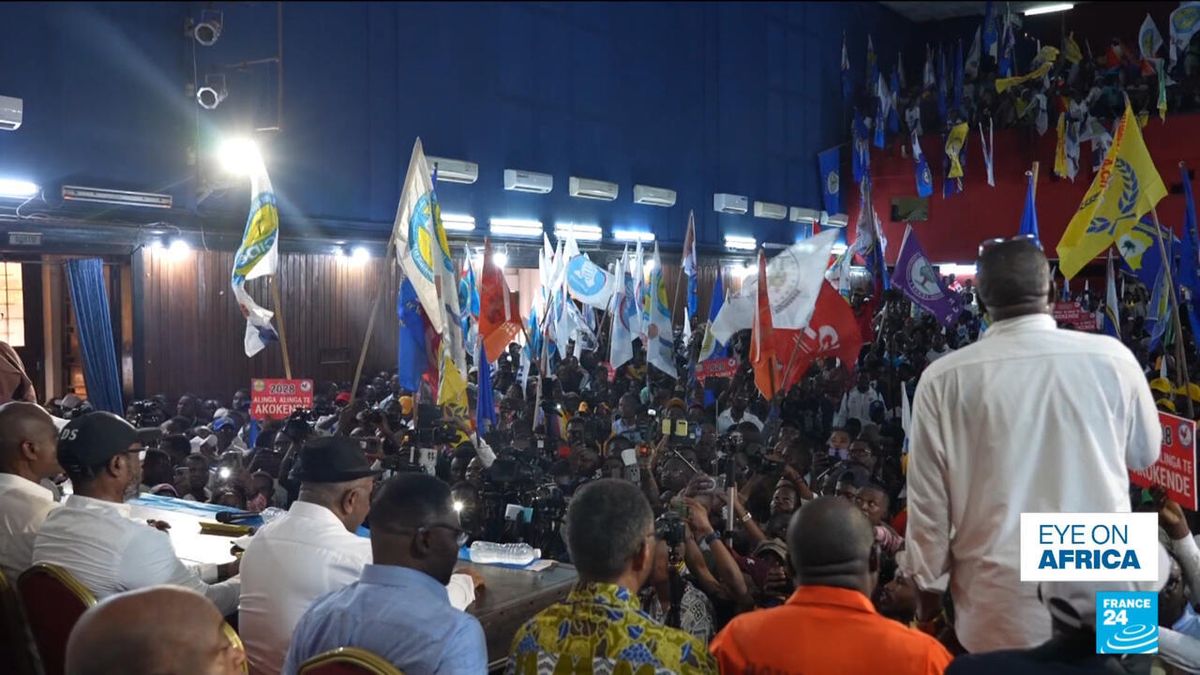
On July 21, 2026, President Felix Tshisekedi of the Democratic Republic of Congo (DRC) announced his agreement to initiate national talks with the country's political opposition. This decision comes amidst escalating political pressure on his administration, primarily stemming from a contentious proposal to amend the national constitution. The move is a direct response to persistent calls for dialogue from civil society groups and opposition factions, which have advocated for such discussions for over a year. This development represents a significant political concession and a potential turning point for a nation historically plagued by instability.
The DRC, a vast and resource-rich nation in Central Africa, holds immense geopolitical importance. Its internal political stability is not merely a domestic concern but a critical factor influencing regional security, global supply chains, and international humanitarian efforts. The proposed constitutional amendments, while not fully detailed in the immediate reporting, are often flashpoints in African politics, frequently perceived as attempts to consolidate power or extend presidential terms. Such changes have historically ignited widespread protests, civil unrest, and even armed conflict in various African states, including the DRC itself.
Why this dialogue matters:
* Internal Cohesion and De-escalation: The agreement to engage in dialogue offers a crucial pathway to de-escalate political tensions and prevent potential widespread unrest. In a country with a fragile peace and a history of violent political transitions, a consensual approach to constitutional matters is vital for maintaining social cohesion and preventing a relapse into conflict.
* Regional Stability: The DRC shares borders with nine other countries, and its internal conflicts have historically spilled over, creating refugee crises, fueling cross-border militia activities, and destabilizing neighboring states. A stable DRC is therefore indispensable for the broader peace and security of the Great Lakes region and Central Africa. Regional bodies and neighboring governments will be closely monitoring the progress of these talks.
* Global Resource Implications: The DRC is a global powerhouse for critical minerals, including cobalt and copper, essential components for electric vehicles, renewable energy technologies, and advanced electronics. Political instability or prolonged conflict in the DRC can severely disrupt these vital supply chains, impacting global markets and the transition to green economies. Major international powers and corporations with vested interests in these resources will be keenly observing the outcome of the national dialogue.
* Democratic Governance and Precedent: Tshisekedi's decision to engage in dialogue, particularly under pressure, can be interpreted as a test of democratic institutions and a commitment to inclusive governance. In a continent where democratic norms are often challenged, a successful, transparent dialogue process in the DRC could set a positive precedent for political discourse and conflict resolution.
President Tshisekedi's motivation for agreeing to the talks likely stems from a desire to alleviate mounting domestic pressure, legitimize any proposed constitutional changes through a broader consensus, and project an image of democratic leadership responsive to public concerns. For the opposition and civil society, the dialogue represents an opportunity to safeguard democratic principles, ensure constitutional integrity, and advocate for reforms that genuinely serve the public interest.
How the dialogue might unfold:
* Potential for Consensus: If the talks are conducted in good faith and lead to meaningful compromises, they could result in a constitutional framework that enjoys broader public support, thereby strengthening the DRC's democratic foundations and reducing the likelihood of future political crises.
* Risk of Stalemate: Conversely, a failure to reach a consensus could exacerbate existing tensions, potentially leading to renewed protests, political deadlock, and further instability. Such an outcome would likely attract increased international scrutiny and potentially intervention from regional or global actors concerned about the DRC's trajectory.
The national dialogue represents a critical moment for the DRC. Its success or failure will not only shape the country's political future but also have profound implications for regional stability, global resource security, and the broader narrative of democratic development in Africa. The international community will be watching closely to see if this agreement translates into a genuine and lasting path towards peace and good governance.
Source referenced: FRANCE24
This brief was synthesized by our Editorial Engine and reviewed by The Ground Narrative team.


