TRENDING

Monday, 5 October 2026
----------------------
24 Rabi' Al-Thani 1448 AH
US and Iranian envoys engaged with Qatari mediators in Doha to discuss the implementation of a recent memorandum of understanding aimed at ending the Middle East war. The indirect talks highlight the delicate balance of diplomacy amidst ongoing regional tensions and critical issues like the Strait of Hormuz and frozen assets.
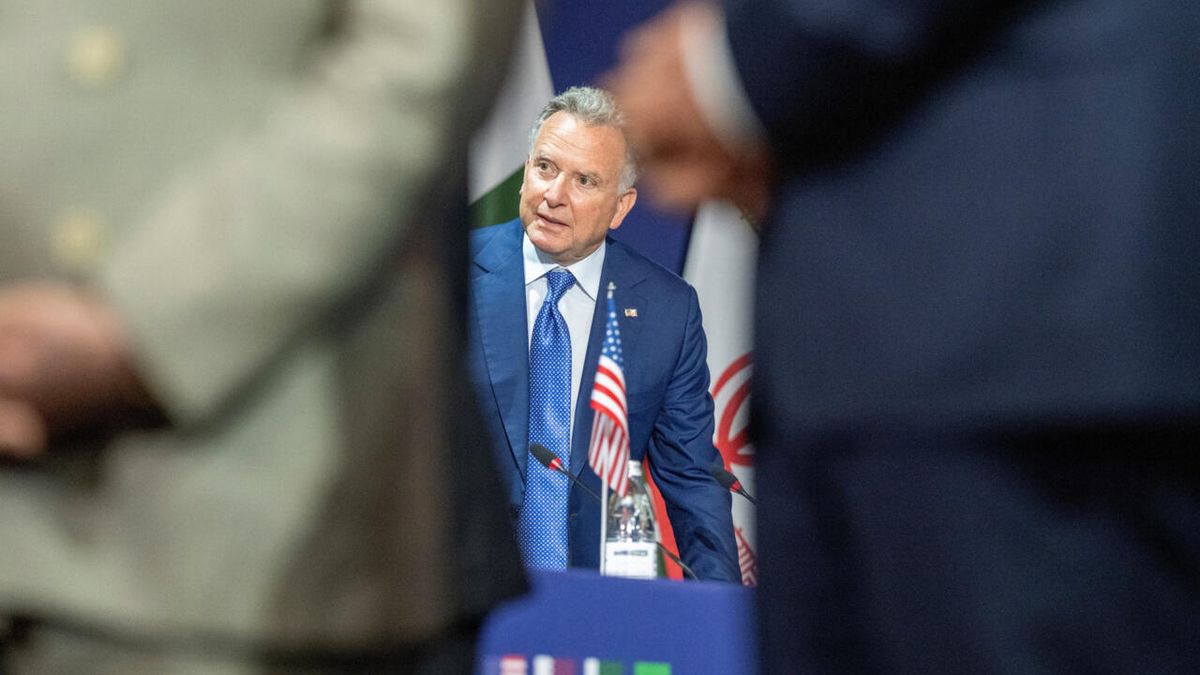
In a significant diplomatic development, envoys from the United States and Iran convened in Doha, Qatar, on Tuesday, July 1, 2026, for discussions mediated by Qatari officials. These meetings follow a recently agreed Memorandum of Understanding (MoU) between Washington and Tehran, which aims to halt the broader conflict referred to as the "Middle East war." While US President Donald Trump publicly suggested direct talks were imminent, both Iran and Qatar swiftly clarified that the engagements were indirect, involving Qatari mediators rather than face-to-face negotiations between the long-standing adversaries.
The US delegation, reportedly including envoy Steve Witkoff and presidential adviser Jared Kushner, met with Qatari officials to discuss a range of regional issues, with negotiations concerning Iran being a central focus. Iran's team, led by Deputy Foreign Minister Kazem Gharibabadi, confirmed its participation in meetings with Qatari mediators. This diplomatic maneuver underscores Qatar's growing role as a crucial facilitator in complex international disputes, leveraging its neutral stance and strong ties with both Western powers and regional actors.
The primary objective of these discussions is the implementation of the US-Iran MoU, which seeks to de-escalate tensions and resolve key flashpoints in the region. Central to these negotiations are two critical issues: the reopening of the Strait of Hormuz and the unfreezing of Iranian assets held under US sanctions.
Iran's historical control over the Strait of Hormuz, a vital global chokepoint for oil shipments, grants it significant strategic leverage. The agreement's provision for its reopening is paramount for global energy security and international trade. Recent incidents, including a vessel strike in the waterway, underscore the fragility of navigation and the urgent need for a stable resolution. Iran has also engaged in separate talks with Oman regarding the "future management" of vessels transiting the strait, indicating its intent to maintain a degree of influence over this critical maritime artery even as it considers reopening it.
Equally crucial for Tehran is the release of its funds frozen by crippling US sanctions. Iranian President Masoud Pezeshkian indicated that steps were underway to unfreeze approximately $6 billion out of an estimated $12 billion. The release of these assets would provide significant economic relief to Iran, potentially bolstering its domestic stability and capacity for regional projection. For the US, this concession is a powerful incentive for Iran to adhere to the MoU and engage constructively in de-escalation efforts.
The MoU's broader ambition to end the "Middle East war" encompasses several regional conflicts. A key area of focus for Iran's delegation is the implementation of clauses related to fighting in Lebanon, particularly concerning the conflict between Israel and Hezbollah. Tehran has insisted that any comprehensive deal must include an end to this parallel conflict and a withdrawal of Israeli troops from southern Lebanon. A noticeable lull in fighting in Lebanon has been observed since the announcement of the US-Iran deal, suggesting a direct link between the broader diplomatic efforts and localized de-escalation.
Despite the diplomatic engagement, the path to full implementation remains fraught with challenges. The period following the MoU's signing has seen sporadic exchanges of fire in the Gulf, with the US Central Command reporting attacks on Iranian military targets in response to "continued Iranian aggression against commercial shipping." Iran, in turn, claimed retaliation against US bases in Kuwait and Bahrain. These incidents highlight the deep-seated mistrust and the potential for rapid escalation, even as diplomatic channels are pursued. As Deputy Foreign Minister Gharibabadi noted, "when a war of this magnitude comes to an end... it is inevitable that there will be implementation challenges, incidents, and differences of opinion, especially where parties such as the Israeli regime are concerned."
The Doha meetings, despite their indirect nature, represent a critical juncture in US-Iran relations and broader Middle East stability. The willingness of both sides to engage, even through mediators, signals a strategic shift towards de-escalation and a recognition of the high costs of continued conflict. For the United States, securing the Strait of Hormuz and mitigating regional proxy conflicts are key strategic objectives. For Iran, the unfreezing of assets and a potential reduction in regional isolation offer substantial benefits.
Qatar's role as a neutral broker is significantly enhanced, solidifying its diplomatic influence in a volatile region. However, the success of the MoU hinges on the ability of both parties to navigate complex implementation challenges, manage internal and external pressures, and address the concerns of other regional actors, particularly Israel. The discrepancy over whether talks are direct or indirect also underscores the political sensitivities and the need for careful messaging by all parties involved. The coming months will be crucial in determining whether this diplomatic opening can translate into a lasting reduction of tensions and a more stable regional order.
Source referenced: FRANCE24
This brief was synthesized by our Editorial Engine and reviewed by The Ground Narrative team.