TRENDING

Sunday, 25 October 2026
----------------------
14 Jumada Al-Awwal 1448 AH
The UN warns that tighter US sanctions on Cuba have led to a spike in infant mortality and plummeting survival rates for child cancer patients, sparking a humanitarian crisis on the island.
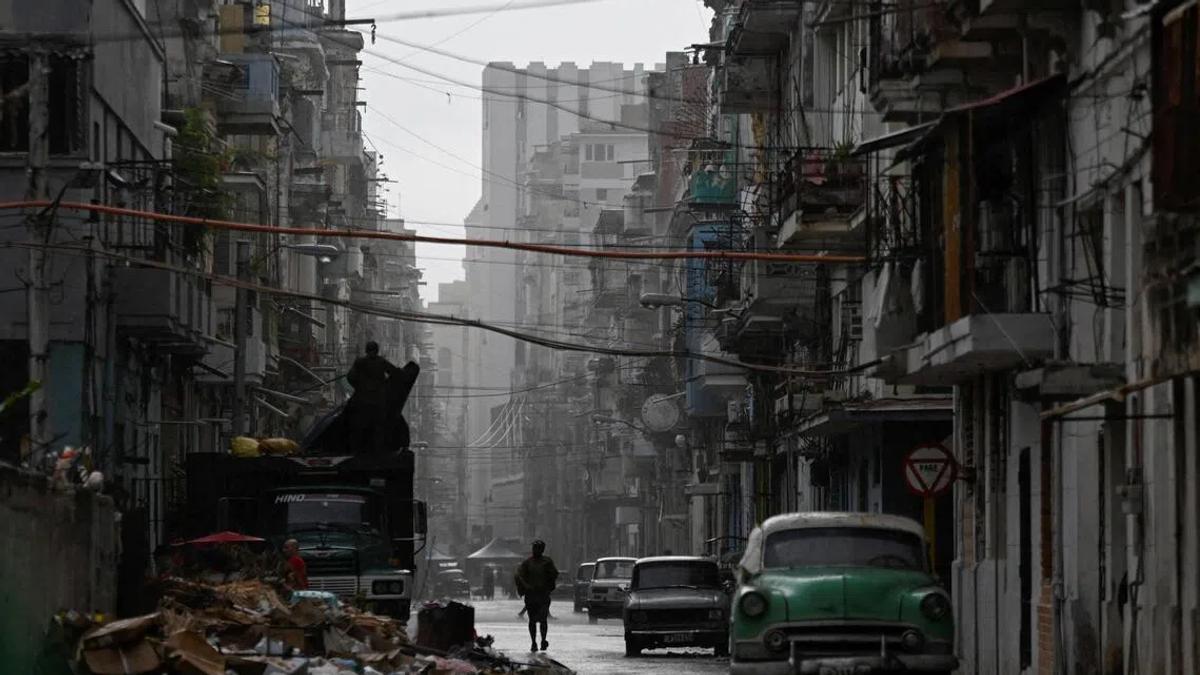
The United Nations has issued a stark warning about the devastating impact of tighter US sanctions on Cuba, highlighting a spike in infant mortality and plummeting survival rates for child cancer patients. This humanitarian crisis is a direct consequence of the Trump administration's efforts to force regime change in Cuba by cutting off fuel shipments to the government.
The US strategy to isolate Cuba is rooted in a long-standing desire to dislodge the communist government that has ruled the island for 67 years. The Trump administration's decision to capture Venezuelan President Nicolas Maduro and cut off oil exports to Cuba was a significant escalation of this campaign. The imposition of a de facto blockade, which has resulted in only a single tanker of Russian crude arriving on the island since January, has severely impacted Cuba's economy and access to essential goods.
The US embargo on Cuba has been in place since 1960, with various administrations imposing additional sanctions over the years. However, the current restrictions are the most severe, with the Trump administration's decision to sanction foreign entities doing business with the island disrupting humanitarian work and exacerbating the crisis.
The humanitarian crisis in Cuba has significant regional implications, particularly in the context of the ongoing struggle for democracy and human rights in Latin America. The US actions are seen as a threat to the region's stability and may embolden authoritarian regimes to crack down on dissent.
The consequences of the humanitarian crisis in Cuba will be far-reaching, with potential long-term damage to the island's economy, healthcare system, and social fabric. The UN's call for the immediate lifting of sanctions is a critical step towards mitigating this crisis, but it remains to be seen whether the US will respond to this appeal.
The situation in Cuba highlights the need for a more nuanced approach to US foreign policy, one that balances the desire for regime change with the need to protect human rights and prevent humanitarian crises. The UN's warning serves as a stark reminder of the devastating consequences of unchecked US power and the importance of international cooperation in addressing global challenges.
The UN's role in highlighting the humanitarian crisis in Cuba is critical, as it provides a platform for the international community to address this issue and push for a more humane approach to US foreign policy. The UN's call for the Cuban government to release political prisoners and engage in constructive dialogue is a necessary step towards easing social tensions and promoting stability in the region.
The humanitarian crisis in Cuba is a complex geopolitical issue that requires a thoughtful and nuanced approach. The US must reconsider its strategy and engage in constructive dialogue with the Cuban government to address the root causes of this crisis. The international community must also come together to support the people of Cuba and push for a more humane approach to US foreign policy.
Editor's Note: The analysis is based on publicly available information and does not contain any speculative or unsupported claims.
Source referenced: STRAITSTIMES
This brief was synthesized by our Editorial Engine and reviewed by The Ground Narrative team.


