TRENDING

Friday, 16 October 2026
----------------------
5 Jumada Al-Awwal 1448 AH
The emergence of Colombia's remote Mavecure Mountains as a nascent tourist destination signifies a critical phase in the nation's post-conflict recovery and economic diversification. This shift from illicit economies to sustainable tourism offers a compelling case study in peace consolidation, environmental stewardship, and the strategic integration of previously marginalized territories.
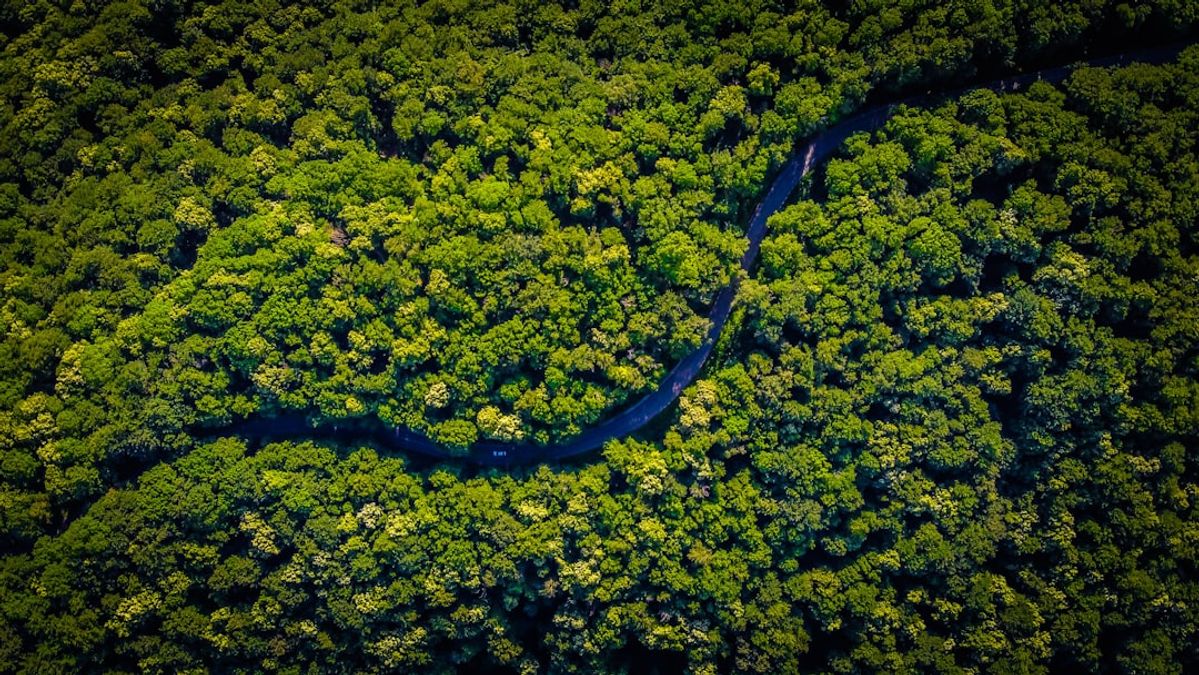
The remote Mavecure Mountains, rising dramatically from the Amazon jungle in eastern Colombia, are emerging as a powerful symbol of the nation's profound transformation from a conflict-ridden state to a burgeoning destination for sustainable tourism. This development, occurring nearly a decade after the landmark 2016 peace agreement with the Revolutionary Armed Forces of Colombia (FARC), represents more than just an expansion of the tourism sector; it signifies a critical geopolitical shift towards peace consolidation, economic diversification, and the strategic integration of previously marginalized territories.
For decades, Colombia's vast natural beauty, including its Caribbean coastlines, Andean peaks, and the Amazon rainforest, remained largely inaccessible to international visitors and even many Colombians. The country was mired in a protracted guerrilla war and rampant drug-cartel violence, which rendered large swathes of its territory, particularly remote regions like Mavecure, off-limits. The 2016 peace treaty, however, marked a pivotal turning point. By largely demobilizing FARC rebels, the agreement significantly reduced internal conflict, paving the way for the state and private actors to extend their reach into areas previously dominated by illicit economies and armed groups.
The Mavecure Mountains, located a "stone's throw from Venezuela," exemplify this post-conflict dividend. Once a region where the presence of armed groups and illegal activities deterred any form of legitimate economic development, it is now experiencing a nascent tourism boom. In the first eight months of 2025, Colombia welcomed a record 3.1 million international visitors, a testament to the country's improved security and changing international perception. This influx of visitors, though still a "trickle" for Mavecure compared to established hotspots like Cartagena, underscores a broader national trend towards leveraging natural assets for economic growth.
The shift towards tourism in Mavecure is not merely about attracting visitors; it is fundamentally reshaping local economies and livelihoods. Historically, communities in this remote Amazonian region relied on activities such as gold mining, which, while providing income, came at a severe environmental cost, polluting jungle rivers with mercury and sediment. The mayor of Remanso, Delio Agapito, notes that "tourism is now the main engine of the local economy." This transition is evident in the stories of individuals like Fabio Pérez, a former gold miner who now operates a hostel and an apiary project, selling honey to tourists. This move away from environmentally destructive practices towards sustainable alternatives offers a compelling model for other resource-rich, post-conflict regions globally. It demonstrates how peace can unlock opportunities for green development, aligning local economic interests with broader environmental conservation goals for the Amazon rainforest, a critical global ecosystem.
Furthermore, the development of tourism creates a diverse array of local jobs, from tour guides and hostel operators to artisans selling crafts. This not only provides more stable and legitimate income sources but also fosters a stronger sense of community and family stability, as highlighted by Pérez, who no longer has to abandon his family for months to mine gold.
The opening of Mavecure carries significant geopolitical weight beyond its immediate economic benefits.
* State Presence and Border Security: The region's proximity to Venezuela underscores its strategic importance. Developing legitimate economic activities and infrastructure in border areas can strengthen state presence, reduce vulnerability to cross-border illicit trade, and enhance national sovereignty. Integrating these remote regions into the national economy and governance structure is crucial for long-term stability and security.
* Environmental Stewardship: The Amazon rainforest is a global ecological treasure. The transition from illegal mining to eco-tourism in Mavecure contributes directly to its preservation. This aligns with Colombia's international commitments to environmental protection and positions the country as a leader in sustainable development within the Amazon basin.
* Indigenous Rights and Cultural Heritage: The Mavecure Mountains are sacred sites for the local Puinave and Curipaco Indigenous communities, who climb the ridges to leave offerings. The development of tourism in such culturally significant areas necessitates careful management to ensure that Indigenous rights are respected, their heritage is preserved, and they are active participants and beneficiaries of the economic opportunities. This balance is crucial for equitable and sustainable development.
* National Image and Soft Power: Colombia's ability to transform from a nation synonymous with conflict and drug violence to one celebrated for its biodiversity and emerging eco-tourism offerings significantly enhances its international image and soft power. This rebranding attracts foreign investment, fosters diplomatic ties, and positions Colombia as a resilient and forward-looking nation.
Despite the promising trajectory, the development of Mavecure faces considerable challenges. The lack of robust infrastructure, including roads and consistent air travel, remains a significant barrier to broader tourism. The current "rustic bunkhouses" and small-scale operations, while appealing to adventurous travelers, limit the destination's capacity and accessibility. Fernando Carrillo, who runs an environmental foundation promoting sustainable tourism, notes that "tourism here is still very small-scale."
The future success of Mavecure as a sustainable tourist destination will depend on carefully managed growth. This includes strategic infrastructure development that minimizes environmental impact, robust policies to protect Indigenous lands and cultural practices, and continued investment in local capacity building. Balancing the desire for increased visitor numbers with the imperative to preserve the region's pristine natural environment and cultural integrity will be a delicate but essential task.
In conclusion, the Mavecure Mountains serve as a microcosm of Colombia's broader journey towards peace and prosperity. Its emergence as a tourist destination is a direct consequence of the nation's commitment to peace, offering a tangible example of how post-conflict recovery can drive sustainable economic development, strengthen state presence in remote areas, and contribute to global environmental conservation efforts. The ongoing evolution of Mavecure will continue to be a significant indicator of Colombia's success in consolidating its peace dividend and charting a new course on the global stage.
Source referenced: NPR
This brief was synthesized by our Editorial Engine and reviewed by The Ground Narrative team.


