TRENDING

Wednesday, 14 October 2026
----------------------
3 Jumada Al-Awwal 1448 AH
Colombians are casting ballots in a presidential election that pits a proponent of dialogue-based peace against candidates advocating for a 'heavy hand' approach to resurgent violence. The outcome will determine the nation's future security strategy and its geopolitical orientation amidst shifting regional dynamics.
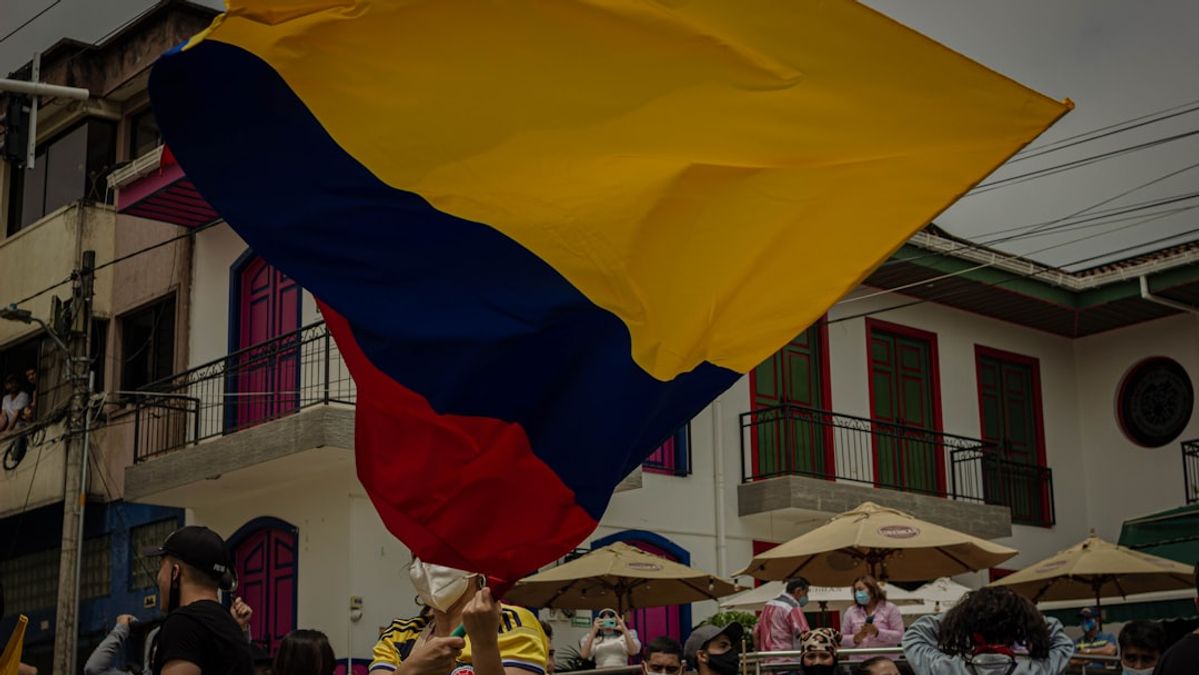
Colombia is currently undergoing a pivotal presidential election, with citizens casting their ballots in the first round on Sunday, May 31, 2026. This electoral contest is far more than a routine political exercise; it represents a profound national referendum on the future of peace and security in a country long scarred by internal conflict. The election pits radically diverging visions against each other, with significant implications for Colombia's domestic stability, human rights landscape, and its geopolitical alignment within Latin America and with global powers.
The election has effectively narrowed down to a three-horse race among 14 candidates. At the forefront is Iván Cepeda, a senator and peace-builder, who is closely allied with outgoing President Gustavo Petro. Cepeda advocates for the continuation of Petro's "total peace" initiative, which seeks to negotiate peace agreements with the country's remaining rebel groups. His platform also emphasizes progressive social policies, including boosting the minimum wage, protecting biodiversity, and expanding access to education. This approach is rooted in the belief that dialogue and social equity are the long-term solutions to Colombia's deeply entrenched conflicts.
Challenging Cepeda are Abelardo de la Espriella and Paloma Valencia, both of whom promise a more forceful approach to armed groups. De la Espriella, a prominent lawyer known as "the Tiger," has gained traction by proposing tactics akin to those employed in El Salvador's aggressive crackdown on gangs. While El Salvador's strategy has reportedly reduced gang violence, it has also drawn widespread accusations of human rights abuses. Valencia, a political protégé of former President Álvaro Uribe, aligns with a historical period (2002-2010) characterized by strong US support and a robust military offensive against FARC rebels, which, while effective in weakening the insurgency, came at a significant civilian cost. Both de la Espriella and Valencia have openly expressed affinity for former US President Donald Trump, signaling a potential shift towards a more assertive, and potentially isolationist, foreign policy stance for Colombia.
This election unfolds a decade after Colombia signed a historic peace pact with the Revolutionary Armed Forces of Colombia (FARC) in 2016. That agreement offered a glimmer of hope for breaking the nation's vicious cycle of fighting. However, the period leading up to the current vote has seen a troubling resurgence of violence. Criminal groups have escalated their activities, employing drone strikes and armed attacks, and the political landscape has been marred by tragic incidents, including the fatal shooting of presidential hopeful Miguel Uribe Turbay in June of the preceding year. This renewed instability has cast a long shadow over the election, making the question of how to address the conflict the central dividing issue for the country.
President Petro's "total peace" initiative, despite its intentions, has faced challenges, with criminal elements often exploiting ceasefires. This perceived failure has fueled public frustration and a desire for more immediate and decisive action against armed groups, even if it entails a higher human cost, as articulated by some voters in Bogotá.
The outcome of this election carries significant geopolitical weight. A victory for Cepeda would likely solidify Colombia's commitment to a diplomatic and social-reform-oriented approach to internal conflict, potentially positioning it as a regional advocate for peace-building and progressive governance. This could also maintain or deepen its alignment with other left-leaning governments in Latin America.
Conversely, a win for de la Espriella or Valencia would signal a dramatic shift towards a more militarized security strategy, potentially mirroring the rise of strongman politics seen in other parts of the region. Their expressed admiration for Donald Trump suggests a possible reorientation of Colombia's foreign policy, potentially leading to closer ties with a more aggressive US stance on Latin America, particularly concerning drug trafficking and criminal organizations. Such a shift could also strain relations with neighboring countries that favor more diplomatic solutions or have different ideological leanings.
Furthermore, the debate over the "heavy hand" approach versus dialogue reflects a broader regional tension regarding governance and human rights. The El Salvador model, while popular with some segments of the electorate due to its perceived effectiveness in reducing crime, raises serious concerns among international human rights organizations and could impact Colombia's standing on the global stage.
Colombian voters are grappling with a profound dilemma: whether to prioritize a long-term, dialogue-based path to peace, despite its recent setbacks, or to opt for a swift, forceful crackdown on violence, with its inherent risks to human rights and potential for further bloodshed. The election is therefore not just about choosing a leader, but about defining the very character of the nation's future. If no candidate secures at least 50% of the vote, a runoff election will be held in June, prolonging the period of uncertainty. Regardless of the immediate outcome, the next president will face the immense challenge of uniting a deeply divided nation and charting a sustainable course towards genuine peace and stability, while navigating complex regional and international dynamics.
Source referenced: GUARDIAN
This brief was synthesized by our Editorial Engine and reviewed by The Ground Narrative team.


