TRENDING

Saturday, 17 October 2026
----------------------
6 Jumada Al-Awwal 1448 AH
Chinese President Xi Jinping's advocacy for a people-centered approach to AI has garnered broad international support, emphasizing AI as a trusted, human-controlled tool for the positive, for good, and for all.
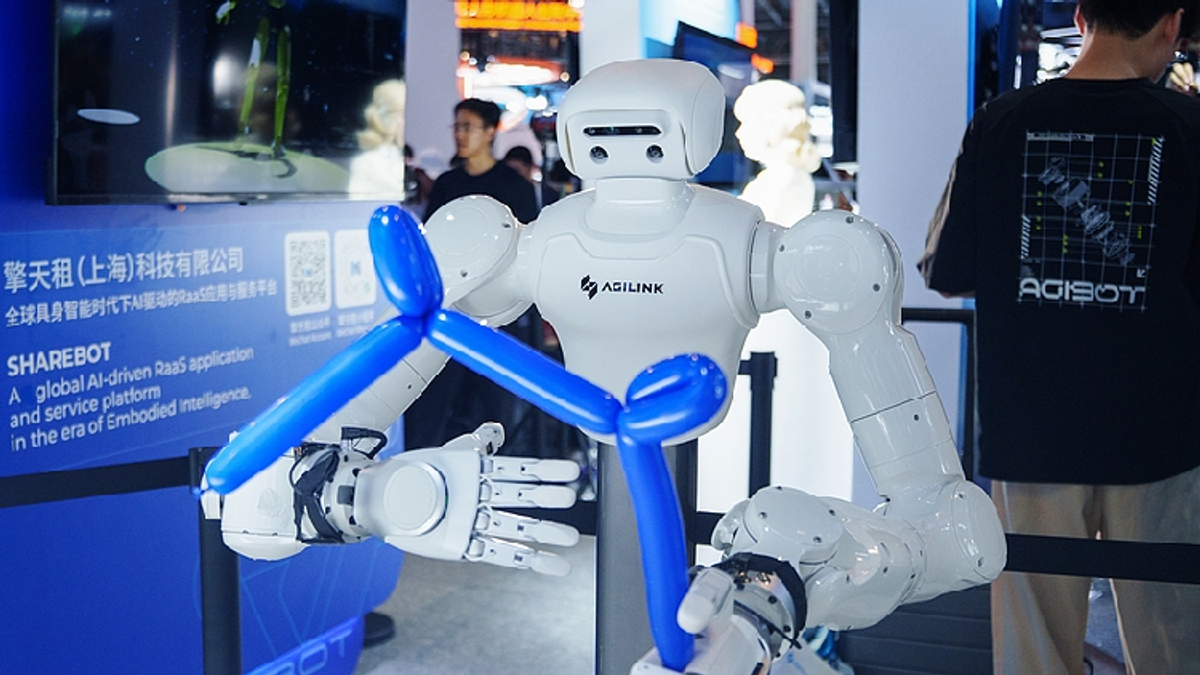
Chinese President Xi Jinping's keynote speech at the 2026 World AI Conference and High-Level Meeting on Global AI Governance has sparked a significant shift in the global AI landscape. Xi's emphasis on a people-centered approach to AI, where the technology serves humanity's positive, good, and all-encompassing interests, has won broad international backing.
Xi's AI philosophy is a response to the growing concerns about the potential risks and negative consequences of AI development. By framing AI as a tool for humanity's benefit, Xi aims to create a new era of global cooperation and collaboration. This approach is significant, as it acknowledges the need for international coordination and cooperation in AI governance.
China's AI strategy is driven by several strategic motivations. Firstly, Xi's emphasis on a people-centered approach to AI is a response to the growing concerns about AI's impact on employment and social inequality. By positioning AI as a tool for improving human life, Xi aims to alleviate these concerns and promote a more inclusive and equitable AI development process.
Secondly, Xi's AI philosophy is a reflection of China's growing global influence and its desire to shape the global AI agenda. By promoting a people-centered approach to AI, China aims to establish itself as a leader in AI governance and promote a more collaborative and cooperative approach to AI development.
The concept of a people-centered approach to AI is not new. However, Xi's emphasis on this approach is significant, as it marks a departure from the more utilitarian and profit-driven approaches to AI development that have dominated the industry in recent years.
Xi's AI philosophy has significant regional implications. Firstly, it has the potential to promote greater cooperation and collaboration between China and other countries in the Asia-Pacific region. By emphasizing the need for international coordination and cooperation in AI governance, Xi aims to create a more stable and secure regional environment.
Secondly, Xi's AI philosophy has the potential to promote greater economic cooperation and integration between China and other countries in the region. By positioning AI as a tool for improving human life, Xi aims to promote a more inclusive and equitable economic development process.
The future consequences of Xi's AI philosophy are significant. Firstly, it has the potential to promote a more collaborative and cooperative approach to AI development, which could lead to greater innovation and progress in the field.
Secondly, Xi's AI philosophy has the potential to promote greater economic cooperation and integration between China and other countries in the region, which could lead to greater economic stability and security.
However, there are also potential risks and challenges associated with Xi's AI philosophy. Firstly, there is a risk that China's emphasis on a people-centered approach to AI could lead to a more restrictive and controlled AI development process, which could stifle innovation and progress in the field.
Secondly, there is a risk that China's AI philosophy could lead to greater tensions and conflicts with other countries, particularly those that have a more utilitarian and profit-driven approach to AI development.
In conclusion, Xi's AI philosophy is a significant development in the global AI landscape. By emphasizing a people-centered approach to AI, Xi aims to create a new era of global cooperation and collaboration. However, there are also potential risks and challenges associated with this approach, which must be carefully considered and addressed.
The way forward for Xi's AI philosophy is uncertain. However, there are several key steps that China and other countries can take to promote a more collaborative and cooperative approach to AI development.
Firstly, China and other countries must work together to establish a more robust and effective global AI governance framework. This framework should prioritize the needs and interests of humanity, rather than the interests of individual countries or corporations.
Secondly, China and other countries must work together to promote greater transparency and accountability in AI development. This includes ensuring that AI systems are transparent, explainable, and accountable, and that they are developed and deployed in a way that prioritizes human values and interests.
Thirdly, China and other countries must work together to promote greater investment and support for AI research and development in developing countries. This includes providing funding and resources for AI research and development, as well as promoting greater collaboration and cooperation between developed and developing countries in the field.
International organizations, such as the United Nations, play a critical role in promoting a more collaborative and cooperative approach to AI development. These organizations can provide a platform for countries to come together and discuss AI governance and development, and can help to promote greater cooperation and collaboration between countries.
In conclusion, Xi's AI philosophy is a significant development in the global AI landscape. By emphasizing a people-centered approach to AI, Xi aims to create a new era of global cooperation and collaboration. However, there are also potential risks and challenges associated with this approach, which must be carefully considered and addressed.
The way forward for Xi's AI philosophy is uncertain. However, there are several key steps that China and other countries can take to promote a more collaborative and cooperative approach to AI development.
Firstly, China and other countries must work together to establish a more robust and effective global AI governance framework. This framework should prioritize the needs and interests of humanity, rather than the interests of individual countries or corporations.
Secondly, China and other countries must work together to promote greater transparency and accountability in AI development. This includes ensuring that AI systems are transparent, explainable, and accountable, and that they are developed and deployed in a way that prioritizes human values and interests.
Thirdly, China and other countries must work together to promote greater investment and support for AI research and development in developing countries. This includes providing funding and resources for AI research and development, as well as promoting greater collaboration and cooperation between developed and developing countries in the field.
International organizations, such as the United Nations, play a critical role in promoting a more collaborative and cooperative approach to AI development. These organizations can provide a platform for countries to come together and discuss AI governance and development, and can help to promote greater cooperation and collaboration between countries.
Editor's Note: While Xi's AI philosophy has the potential to promote a more collaborative and cooperative approach to AI development, there are also potential risks and challenges associated with this approach.
Source referenced: CGTN
This brief was synthesized by our Editorial Engine and reviewed by The Ground Narrative team.