TRENDING

Saturday, 17 October 2026
----------------------
6 Jumada Al-Awwal 1448 AH
The White House dismissed its newest press secretary after a single work week, exposing deeper fractures in the administration. This brief unpacks the power play behind the exit and who ultimately bears the cost.
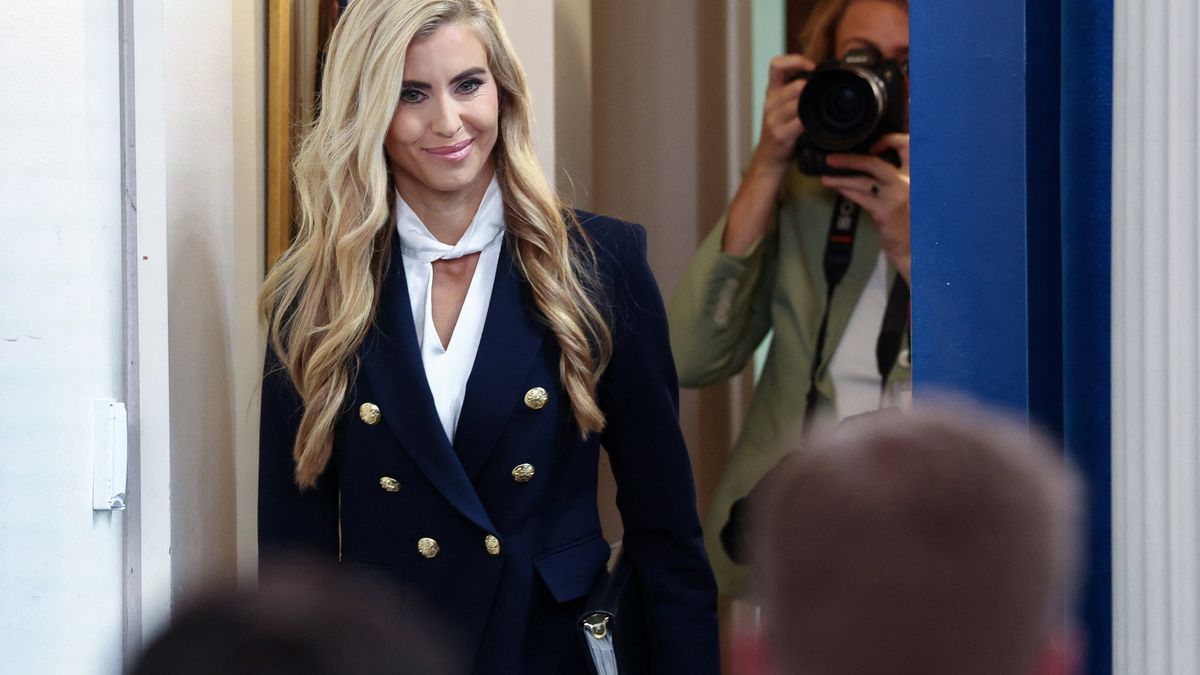
The White House announced that Katie Zacharia is "transitioning out" of the press secretary role after just five days on the job. President Donald Trump told reporters he had urged her to reconsider staying, citing the harshness of the press as a reason for his suggestion. The rapid reversal follows a brief media storm over Zacharia’s legal credentials and raises questions about the administration’s stability ahead of the upcoming midterm elections.
Trump’s decision to install, then discard, a senior communications figure cannot be read as a simple personnel slip. It reflects a calculus of loyalty, media control, and electoral timing. First, the president’s brand thrives on a confrontational stance toward the press; a spokesperson who cannot weather that pressure threatens to dilute that narrative. Second, the Republican Party is scrambling to present a unified front for the midterm elections, and any perceived misstep by the administration becomes ammunition for opponents. By removing Zacharia quickly, Trump signals to his base that he will not tolerate perceived weakness, while also buying time to vet a replacement who aligns more closely with his combative style. The episode also underscores the limited institutional buffers in a White House that relies heavily on personal loyalty rather than bureaucratic continuity. Senior advisors and campaign operatives likely weighed the fallout against the need to keep the messaging machine humming, opting for a swift exit to preserve the president’s image of decisive leadership.
The abrupt dismissal sends shockwaves through the White House staff, who must now scramble to reassign duties, manage briefing schedules, and maintain morale amid uncertainty. Junior aides, many of whom are on temporary contracts, face the prospect of longer hours and heightened scrutiny as they fill the communication gap.
Journalists covering the administration are forced to navigate an ever‑shifting point of contact, eroding trust between the press corps and the executive branch. The episode fuels skepticism among American voters who already question the reliability of official statements, potentially deepening the divide between the public and their elected officials.
Zacharia herself bears a personal toll: a public questioning of her professional qualifications, a sudden loss of a high‑profile role, and the stigma attached to a high‑visibility failure. The episode also serves as a cautionary tale for other aspiring officials, highlighting how quickly a career can be derailed by political expediency.
Official statements frame the dismissal as a compassionate gesture toward Zacharia, but deeper dynamics remain concealed. Senior advisors with close ties to Trump reportedly viewed the bar‑exam controversy as a convenient pretext to remove a figure who struggled to adopt the administration’s combative tone. Behind the scenes, power brokers within the Trump allies network were already positioning candidates for the vacant post, ensuring that the next appointee would be a proven loyalist rather than a potential liability. Moreover, the White House’s rapid pivot sidesteps a broader discussion about the erosion of institutional norms: the lack of a clear succession plan for a key communications role reveals how personal loyalty has supplanted procedural stability. The administration also downplays the impact on the broader diplomatic agenda, where a consistent messaging strategy is crucial for negotiating with allies and adversaries alike.
The next few weeks will reveal who fills the vacant podium and how that choice reshapes the administration’s narrative ahead of the midterm campaign. Watch for the president’s shortlist of candidates—particularly those with prior experience in campaign communications or close personal ties to Trump’s inner circle. Additionally, monitor how the White House recalibrates its media strategy: will it double down on confrontational messaging, or attempt a more measured approach to regain credibility? Finally, keep an eye on the reaction of Republican lawmakers; any public criticism of the turnover could signal fissures within the party that may influence voter sentiment in November.
The administration cited concerns over her ability to handle press scrutiny and a controversy about her bar exam status, but insiders suggest loyalty and messaging style were the real drivers.
It highlights internal instability, giving opponents ammunition and forcing the president to quickly appoint a more reliable spokesperson, which could shape campaign messaging.
Source referenced: ALJAZEERA
This brief was synthesized by our Editorial Engine and reviewed by The Ground Narrative team.