TRENDING

Friday, 16 October 2026
----------------------
5 Jumada Al-Awwal 1448 AH
The Yasukuni Shrine in Tokyo stands as a focal point of historical contention, honoring millions including convicted war criminals and fueling diplomatic friction across East Asia. Its revisionist narrative and political visits continue to reopen old wounds, shaping regional power dynamics.
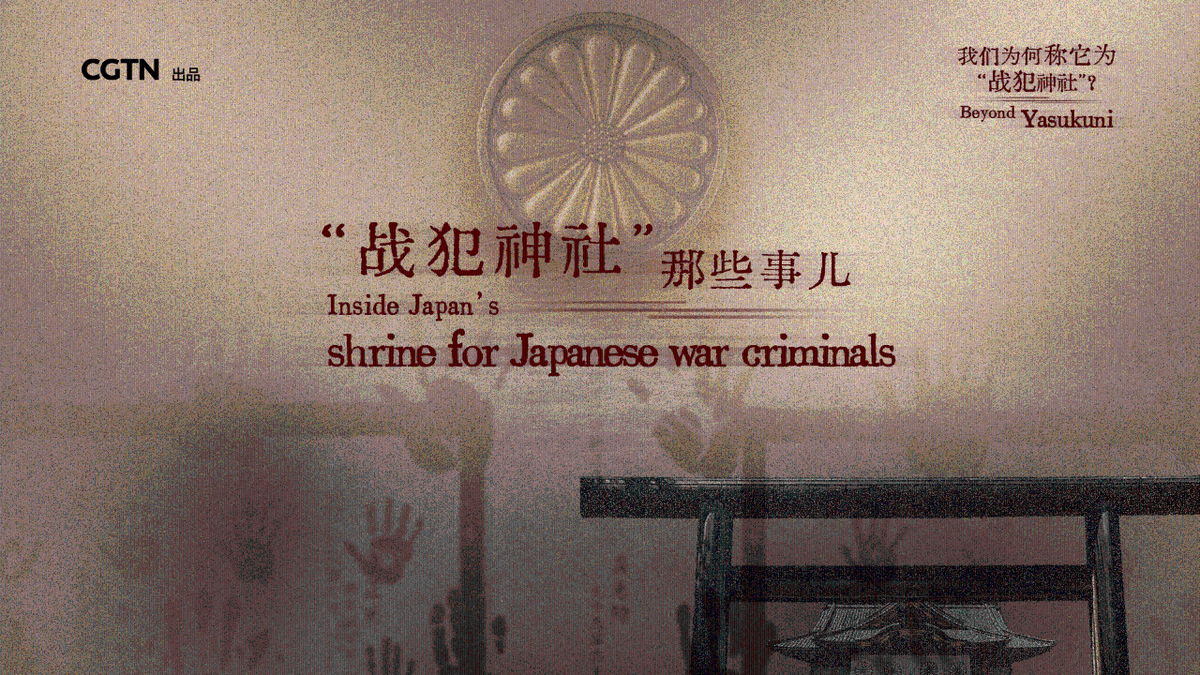
At the heart of Tokyo, the Yasukuni Shrine stands as a monument to Japan's war dead, a site that has for decades ignited fierce diplomatic disputes and deep emotional wounds across East Asia. Established in 1869 by Emperor Meiji, the shrine originally served as a spiritual home for those who died fighting for Japan. Today, it enshrines over 2.466 million people, a number that controversially includes 14 Class-A war criminals convicted by the International Military Tribunal for the Far East after World War II. Within the shrine complex, the Yūshūkan Museum actively promotes a revisionist narrative, portraying Japan's wartime actions as a defensive struggle rather than an imperialist aggression. This historical framing, coupled with recurring visits by Japanese politicians – including prime ministers and cabinet members – consistently draws sharp condemnation from neighboring countries, particularly China and South Korea.
The controversy surrounding Yasukuni Shrine is not merely about historical memory; it is a complex interplay of domestic politics, regional power struggles, and the enduring legacy of Japanese imperialism. For many Japanese conservative politicians, including those from the long-ruling Liberal Democratic Party (LDP), visits to Yasukuni are a strategic appeal to a nationalist voter base that seeks to restore a sense of national pride untainted by post-war apologies. These visits are often framed as personal acts of mourning or respect for the war dead, an attempt to depoliticize an inherently political gesture. This narrative resonates with those who feel that Japan has been unfairly burdened by its wartime past and that its post-war pacifist constitution, imposed by the United States, needs revision to allow for a more assertive military role.
From the perspective of China and South Korea, the shrine represents an unrepentant glorification of Japanese militarism and a denial of wartime atrocities. Their vehement protests are not simply emotional reactions; they are calculated diplomatic maneuvers. By condemning Yasukuni visits, these nations leverage historical grievances to exert moral and political pressure on Japan, often rallying domestic nationalist sentiment in the process. This allows them to position themselves as defenders of historical justice and regional stability, while simultaneously challenging Japan's growing geopolitical influence and its close alliance with the United States. The issue thus becomes a recurring flashpoint that complicates trilateral cooperation and underscores deep-seated mistrust.
Furthermore, the Yūshūkan Museum's revisionist portrayal of history is a powerful tool in shaping national identity. By presenting Japan's wartime actions as a
The Yasukuni Shrine in Tokyo honors Japan's war dead, including 14 Class-A war criminals convicted after World War II. It is controversial because its associated museum promotes a revisionist history of Japan's wartime actions, and visits by Japanese politicians are seen by neighboring countries as glorifying past militarism.
China and South Korea are most vocally affected by the Yasukuni Shrine controversy. Both nations suffered immensely under Japanese occupation and view the shrine as a symbol of unrepentant militarism and a denial of wartime atrocities, leading to recurring diplomatic friction.
The Yūshūkan Museum, located within the Yasukuni Shrine complex, presents a narrative of Japan's modern history, particularly its wars. It is controversial for promoting a revisionist view that portrays Japan's actions in World War II as defensive and downplays the suffering inflicted on other Asian nations.
Source referenced: CGTN
This brief was synthesized by our Editorial Engine and reviewed by The Ground Narrative team.