TRENDING

Wednesday, 11 November 2026
----------------------
1 Jumada Al-Thani 1448 AH
China’s record trade surplus reveals a fragile balance between export strength and stagnant home consumption. The analysis uncovers who benefits, who bears the cost, and what the next economic cross‑roads look like.
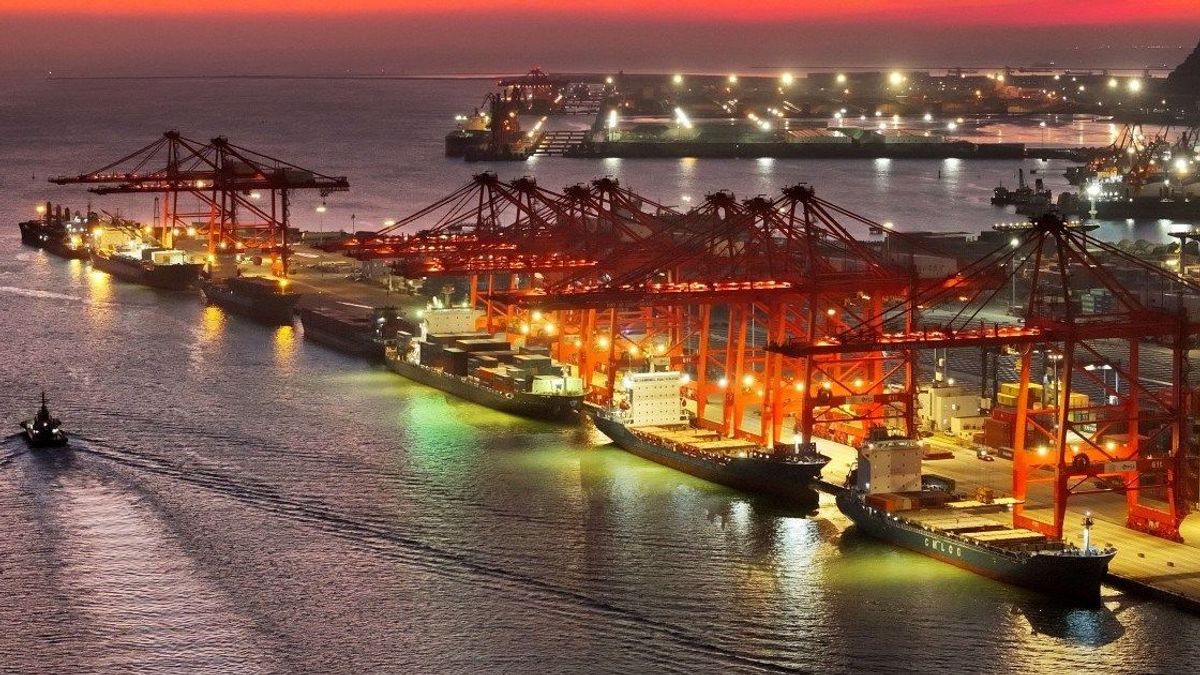
China posted a $1.04 trillion trade surplus in the first ten months of 2026, the latest data point in a multi‑year run of record‑high exports. The surge was driven by strong demand for semiconductors and data‑processing equipment, while domestic consumption barely moved, with retail sales up just 1.1% in September. The figures have reignited debate over whether the export‑led model that lifted millions out of poverty can sustain the country’s ambition to join the ranks of the world’s wealthiest nations.
The current configuration of China’s economy is a product of deliberate policy choices made over four decades. After the 1978 reforms, the state pivoted to an export‑oriented growth strategy, rewarding manufacturers with cheap credit, subsidised land, and a deliberately undervalued renminbi. Those incentives created a massive manufacturing base that could out‑price rivals, feeding a trade surplus that became a cornerstone of national prestige.
At the same time, the social safety net remained thin. Public spending on healthcare, pensions and welfare hovers around 10% of GDP, far below the OECD average of 23%. With limited state support, households turned to precautionary savings, stashing away roughly one‑third of their income. This high savings rate depresses consumption, keeping household spending at just 39% of GDP, compared with 68% in the United States.
The political calculus is equally stark. The Chinese Communist Party derives legitimacy from continued economic growth; a slowdown threatens that narrative. By keeping exports robust, the leadership can point to tangible success even as domestic demand wanes. Yet the model is self‑reinforcing: weak consumption forces the state to lean harder on export‑driven sectors, which in turn invites foreign pushback through tariffs, anti‑dumping duties, and caps on imports such as the EU’s recent limit on Chinese hybrid electric vehicles.
Technological ambition adds another layer. The AI boom has lifted high‑tech exports, but the sector’s growth is capital‑intensive and relies on state‑directed R&D subsidies. The push for self‑reliance in chips and equipment channels resources away from social programmes, deepening the consumption gap. In short, the power mechanics are a tangled web of fiscal policy, political legitimacy, and industrial strategy that together keep the surplus high while domestic demand stays low.
Chinese families are caught in a paradox. On paper, rising incomes and a booming export sector suggest prosperity, yet the reality is a cautious populace hoarding cash for a future that feels uncertain. The collapse of the property market eroded a major source of wealth, prompting many to boost their precautionary buffers. With wages growing slowly and pension coverage limited, the average worker faces a fragile financial outlook, limiting their ability to spend on housing, education, or health.
The export engine depends on a massive labor force that often works in low‑margin, high‑intensity conditions. While factories in ports like Lianyungang ship out goods worth billions, the workers on the line see only modest wage gains. When global demand falters or trade barriers rise, layoffs become a real threat, exposing a vulnerable segment of the population that lacks robust unemployment insurance.
Coastal provinces such as Jiangsu and Guangdong reap the bulk of export revenues, whereas inland regions lag behind. The uneven distribution of wealth fuels internal migration, straining urban services and inflating housing costs in megacities. Rural households, still dependent on agriculture and limited local industry, feel the squeeze of rising food prices without the cushion of strong social benefits.
Official Chinese narratives celebrate the surplus as evidence of global competitiveness, yet they downplay the structural fragility underpinning it. State media rarely highlight the precautionary savings that suppress consumption, framing low spending as a cultural virtue rather than a symptom of inadequate welfare.
Internationally, the focus is on trade imbalances and alleged unfair subsidies, but the deeper story of a two‑speed economy—one side booming in high‑tech exports, the other stalled in consumer markets—is often omitted. The EU’s cap on hybrid electric vehicles and the United States’ renewed scrutiny of Chinese semiconductor supply chains are presented as defensive measures, while the underlying driver is China’s continued funneling of state capital into export‑oriented industries.
Corporate actors also benefit from the status quo. State‑owned enterprises receive preferential financing, allowing them to underprice rivals abroad. This creates a hidden subsidy that inflates the surplus but masks the true cost to taxpayers, who ultimately fund the social safety gaps through indirect taxes.
Finally, the demographic challenge is barely mentioned. China’s working‑age population is shrinking, a trend that will erode the labor pool feeding the export model. Yet policy briefs focus on short‑term consumption targets, sidestepping the long‑term implications of an aging society on both the labor market and the fiscal capacity to expand social protection.
- Policy Shifts in the Five‑Year Plan: Look for concrete measures beyond headline consumption targets—such as reforms to pension systems, healthcare funding, or housing market stabilization—that could reduce the savings bias.
- Trade Barrier Escalation: Monitor how the EU, United States, and other major markets respond to China’s export subsidies. New anti‑dumping investigations or quota expansions could sharply curtail export growth.
- Tech Self‑Reliance Outcomes: The success or failure of China’s push for domestic chip production will signal whether the state can sustain high‑value exports without external inputs, affecting the surplus’s composition.
- Demographic Indicators: Birth‑rate trends and labor‑force participation rates will reveal how quickly the domestic consumption base can expand organically.
- Social Unrest Signals: Protests over housing, wages, or pension cuts in major cities could indicate rising public frustration, pressuring the leadership to recalibrate the growth model.
Staying attuned to these variables will help readers understand whether China’s trade surplus remains a badge of economic might or a warning sign of deeper systemic strain.
China’s export‑led growth model, supported by state subsidies and an undervalued currency, drives high overseas sales, while thin social safety nets and a property market slump push households to save rather than spend.
Source referenced: ALJAZEERA
This brief was synthesized by our Editorial Engine and reviewed by The Ground Narrative team.