TRENDING

Monday, 12 October 2026
----------------------
1 Jumada Al-Awwal 1448 AH
A new generation of Uyghurs, once peaceful citizens, are now fighting in Syria's civil war, driven by the systemic repression and violence they faced in China. This forced exodus reveals the devastating human cost of Beijing's policies in Xinjiang.
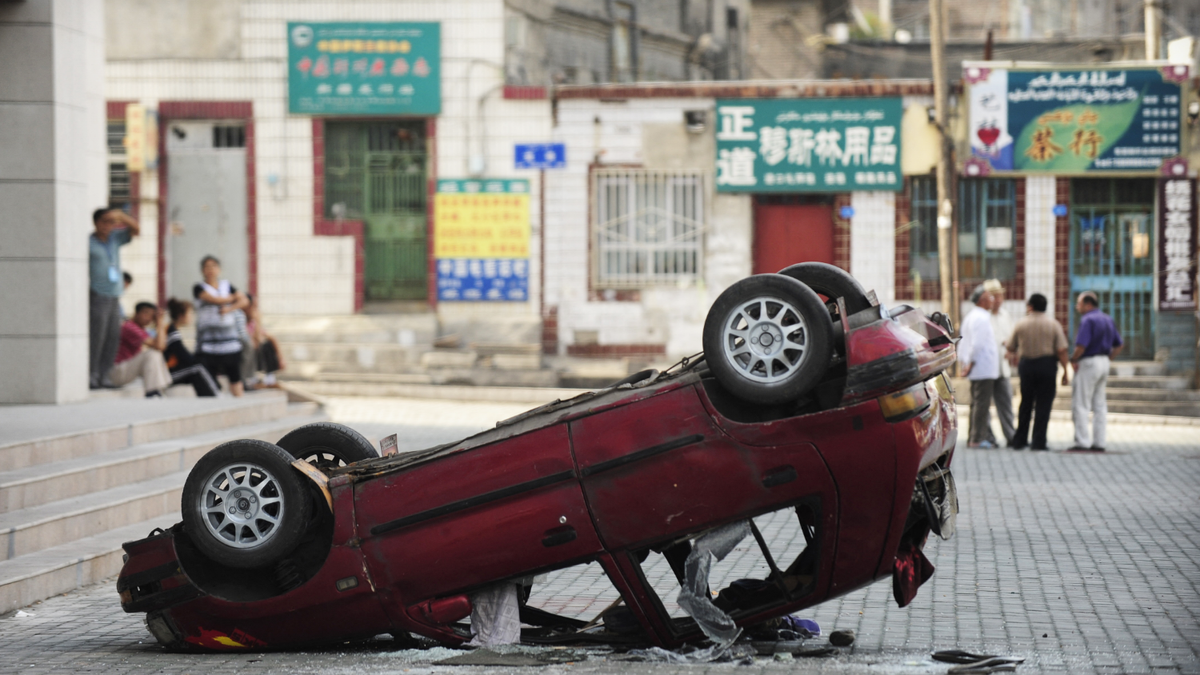
In the remote Idlib countryside of Syria, individuals like Choghtal, a soft-spoken man who never held a gun in his youth, now serve as second-in-command of the largest Uyghur militia. These fighters are part of a growing exodus of Uyghurs from China's Xinjiang province, driven by decades of systematic repression and violence. A pivotal moment for many was the summer of 2009, when a deadly factory brawl in Guangdong involving Uyghur workers escalated into widespread unrest in Urumqi, Xinjiang's capital, followed by a severe state crackdown. This series of events, including mass detentions and disappearances, convinced many Uyghurs that their only options were prison, death, or exile, pushing them onto a perilous path that ultimately led them to the battlefields of Syria.
The phenomenon of Uyghur militants in Syria is a stark illustration of how state power, when applied with overwhelming force and without accountability, can inadvertently create the very threats it claims to be combating. At the heart of this dynamic is the Chinese Communist Party's iron-fisted control over Xinjiang, a region Beijing views as vital for its internal security and economic ambitions. The Party's strategy has been one of systematic cultural assimilation, economic marginalization, and political repression against the Uyghur people, whom it often labels as separatists or terrorists.
The 2009 Urumqi unrest served as a critical inflection point. What began as peaceful protests against the state's handling of the Guangdong factory incident quickly spiraled into ethnic violence, which the Chinese government met with a brutal crackdown. This response, characterized by mass detentions, disappearances of young Uyghur men, and pervasive surveillance, was designed to assert absolute state control and deter any future dissent. However, for many Uyghurs, it solidified a sense of utter powerlessness and injustice, transforming peaceful calls for accountability into a desperate search for survival outside China's borders.
Beijing skillfully leverages the global
Uyghurs are driven to fight in Syria primarily due to decades of severe repression, cultural assimilation, and violence by the Chinese government in Xinjiang. Events like the 2009 Urumqi unrest and subsequent crackdowns forced many to flee, seeking refuge and a means to resist what they perceive as an existential threat to their identity.
The 2009 Urumqi unrest was sparked by a deadly brawl at a factory in Guangdong province, where Uyghur workers were targeted. Subsequent peaceful protests in Urumqi demanding accountability were met with police dispersal, escalating into ethnic violence between Uyghurs and Han Chinese, followed by a harsh state crackdown.
While some Uyghurs initially sought training from groups like the Islamic Movement of Uzbekistan, many found their extreme ideologies, such as targeting civilians or focusing on global jihad, off-putting. The article suggests that many Uyghur fighters prioritize their specific struggle against Chinese oppression and cultural survival over broader extremist agendas.
Source referenced: FOREIGNPOLICY
This brief was synthesized by our Editorial Engine and reviewed by The Ground Narrative team.