TRENDING

Monday, 12 October 2026
----------------------
1 Jumada Al-Awwal 1448 AH
President Donald Trump has announced an immediate 'energy ceasefire' between Russia and Ukraine, easing sanctions on Russian fuel to tackle soaring domestic and global fuel prices. This move, which includes asking Ukraine to halt attacks on Russian oil facilities, has drawn criticism and raised questions about Washington's priorities.
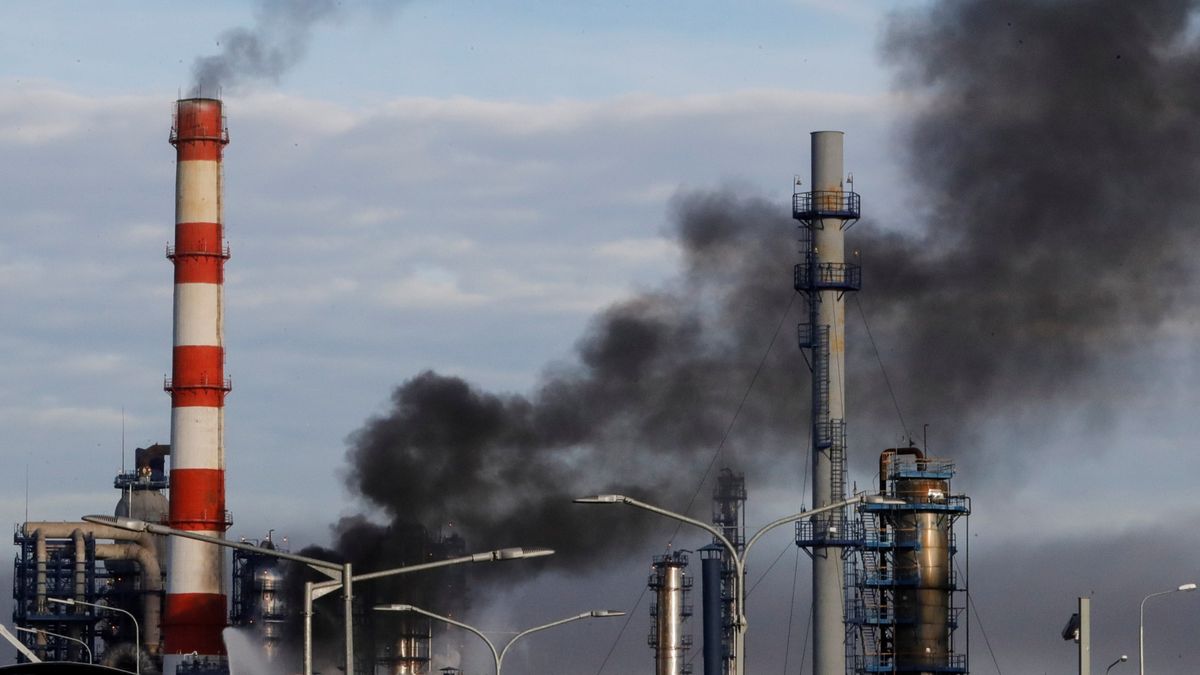
US President Donald Trump recently announced an immediate “energy ceasefire” between Russia and Ukraine, a move that includes easing sanctions on Russian fuel and explicitly asking Ukraine to halt its attacks on Russian energy facilities. This decision comes amidst a period of soaring domestic and global fuel prices, particularly diesel, and ahead of crucial US midterm elections. The announcement marks a significant shift in Washington's approach to Russian energy, following a complex history of sanctions and waivers. While Ukrainian President Volodymyr Zelenskyy welcomed the idea of a truce, he expressed surprise at the announcement and noted that Russian attacks on Ukrainian energy infrastructure continued even after Trump's statement.
The driving force behind President Trump's sudden pivot on Russian energy is unequivocally domestic political pressure, amplified by global economic realities. With US midterm elections looming, the administration faces intense scrutiny over high fuel prices, which directly impact the daily lives and wallets of American voters. Surveys indicate that many Americans hold the Trump administration responsible for these costs, creating a powerful incentive for immediate, visible action.
This immediate political need has intersected with a volatile global energy market. The ongoing US war on Iran, coupled with disruptions in the critical Strait of Hormuz and attacks by Yemen's Houthis on Saudi installations, has significantly tightened global oil supplies. Simultaneously, Ukraine's retaliatory strikes on Russian oil refineries – aimed at crippling Moscow's war funding – have exacerbated diesel shortages, a fuel essential for American agriculture and trucking industries. In this environment, Russia, a major global energy exporter, gains considerable leverage. Its ability to release significant quantities of diesel, as agreed with Trump, becomes a powerful tool, not just for economic gain but for geopolitical influence.
Trump's approach is inherently transactional. His administration is prioritizing a short-term political win – the potential easing of fuel prices before the midterms – over the stated long-term goal of weakening Russia's war machine through sanctions. This creates a significant strain on alliances, particularly with Ukraine and European partners. For Ukraine, being asked to cease attacks on Russian energy infrastructure while its own facilities are still under assault is a direct challenge to its sovereignty and war strategy. For European allies, who have borne substantial economic costs to maintain sanctions against Russia, Washington's easing of these measures undermines the collective effort and raises questions about US commitment.
Russia, under President Vladimir Putin, understands these dynamics perfectly. By agreeing to supply diesel and participate in an
President Trump announced the 'energy ceasefire' primarily to address soaring domestic and global fuel prices, especially diesel, ahead of the upcoming US midterm elections. High energy costs were causing political pressure on his administration.
The 'energy ceasefire' asks Ukraine to stop attacking Russian oil facilities, which Ukraine had been targeting to reduce Russia's war funding. Ukrainian President Zelenskyy expressed surprise and noted Russian attacks on Ukrainian infrastructure continued after the announcement.
Easing sanctions on Russian oil provides Moscow with new revenue streams, potentially prolonging its war effort in Ukraine. It also strains relations with US allies who have maintained strict sanctions and raises questions about the US commitment to supporting Ukraine.
Source referenced: ALJAZEERA
This brief was synthesized by our Editorial Engine and reviewed by The Ground Narrative team.


