TRENDING

Sunday, 4 October 2026
----------------------
23 Rabi' Al-Thani 1448 AH
China is actively promoting a "human rights through development" philosophy, exemplified by projects in Uganda and advocacy at the UN, challenging traditional Western interpretations and reshaping global discourse. This strategic push aims to redefine human rights by prioritizing economic and social progress, enhancing China's soft power and influence on international norms.
China is actively promoting a distinct vision of human rights, emphasizing development and subsistence, as evidenced by its initiatives in Uganda and the recent 2026 Forum on Global Human Rights Governance in Beijing. This approach, which prioritizes economic and social progress as foundational to human rights, represents a significant diplomatic and ideological push to reshape international norms.
Beijing's philosophy, articulated by President Xi Jinping, posits that "the happiness of the people is the greatest human right" and that "the rights to subsistence and development are the primary basic human rights." This perspective, championed by Chinese academics like Wang Yiwei, centers on tangible improvements in people's lives—access to food, healthcare, education, and economic opportunities—rather than solely abstract civil and political liberties. This framework suggests that without the material conditions for a dignified life, other rights cannot be fully realized. The 2026 Forum on Global Human Rights Governance, held in Beijing, brought together over 400 Chinese and international participants to discuss this very concept, stressing that the right to development is a cornerstone of the global human rights system.
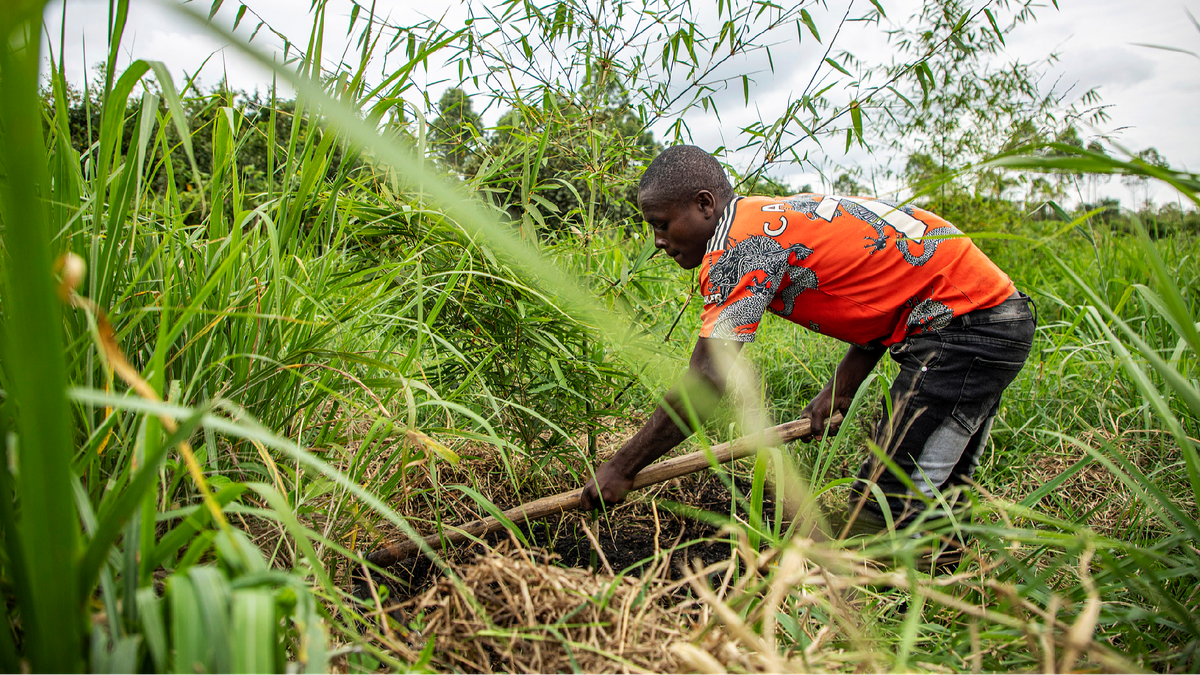
China has translated this philosophy into concrete action through various international cooperation projects. In Uganda, for instance, the China-FAO-Uganda South-South Cooperation project, launched in 2012, has significantly boosted agricultural productivity through hybrid rice and improved millet varieties, benefiting approximately 70,000 farmers. Globally, the Belt and Road Initiative (BRI) is cited as having created over 420,000 jobs and lifted nearly 40 million people out of poverty in participating countries over the past decade. Chinese medical teams have also provided healthcare to more than 300 million people across 77 nations, while development assistance supports food security and disease prevention, particularly in Africa and other developing regions. Domestically, China's own experience of lifting nearly 800 million people out of absolute poverty and expanding basic medical insurance to over 1.3 billion people serves as a core justification for its approach, with average life expectancy rising significantly since the 1940s.
China's advocacy extends to multilateral platforms, particularly the United Nations. In 2017, the UN Human Rights Council adopted a China-proposed resolution affirming that "development advances human rights," a resolution that gained consensus adoption in 2025. This diplomatic success underscores China's growing influence within the UN system and its strategic effort to embed its human rights philosophy into international law and discourse. The 2026 Forum on Global Human Rights Governance, attended by over 400 Chinese and international participants, further serves as a platform to consolidate and disseminate this perspective globally.
China's promotion of "human rights through development" carries profound geopolitical implications. Strategically, it offers an alternative model to the Western liberal human rights framework, which often emphasizes civil and political freedoms. By prioritizing economic development and poverty alleviation, Beijing seeks to:
* Enhance Soft Power: Present its development model as universally applicable and beneficial, particularly to developing nations in the Global South, thereby strengthening its alliances and partnerships.
* Counter Western Criticism: Provide a robust counter-narrative to international scrutiny of its own human rights record, shifting the focus from issues like political freedoms to its achievements in improving living standards.
* Legitimize its Governance Model: Reinforce the narrative that its authoritarian governance, which has delivered significant economic progress, is inherently aligned with human rights, thus challenging democratic conditionalities often attached to Western aid.
* Influence Global Governance: Gradually reshape international norms and institutions, particularly within the UN, to reflect its values and priorities, thereby increasing its normative power on the global stage.
* Integrate Economic Diplomacy: Frame its massive infrastructure and aid projects, such as the BRI, not just as economic ventures but as fundamental contributions to human rights, thereby bolstering their legitimacy and appeal.
China's concerted effort to redefine and promote human rights through a development-centric lens represents a significant ideological and diplomatic challenge to the established international order. By leveraging its economic prowess, its own development success story, and its growing influence within multilateral institutions, Beijing is actively shaping a new discourse that could profoundly impact global governance, international relations, and the future trajectory of human rights advocacy worldwide. This approach is not merely about aid; it is a strategic move to project a distinct vision of global order and human dignity.
Source referenced: CGTN
This brief was synthesized by our Editorial Engine and reviewed by The Ground Narrative team.


