TRENDING

Tuesday, 13 October 2026
----------------------
2 Jumada Al-Awwal 1448 AH
China has sharply criticized the United States' indictment of former Cuban leader Raúl Castro on murder charges, urging an end to what it terms 'coercion' and 'threats' against its Caribbean ally. This diplomatic intervention underscores the escalating geopolitical rivalry between Washington and Beijing, with Cuba emerging as a flashpoint.
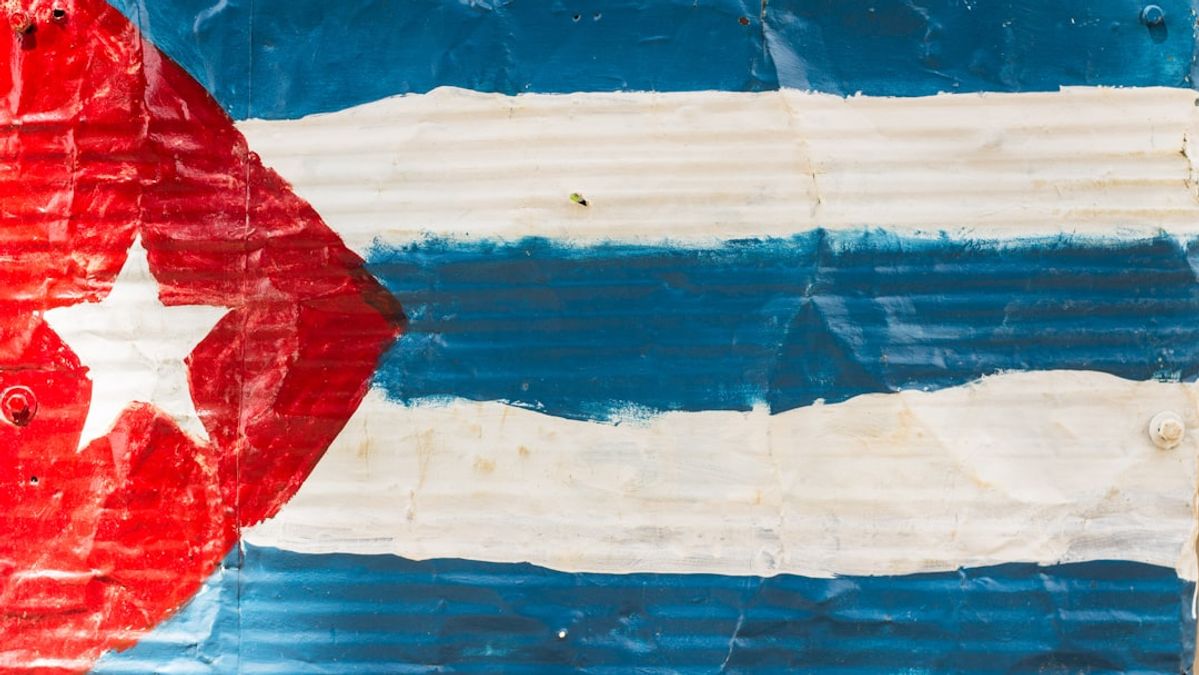
The United States has indicted former Cuban President Raúl Castro, 94, on charges of conspiracy to murder US nationals, stemming from the 1996 downing of two civilian planes operated by the Cuban-American dissident group Brothers to the Rescue. The incident, which occurred three decades ago, resulted in the deaths of four individuals, including three US citizens, and has long been a contentious point in US-Cuba relations. At the time, Castro served as the head of Cuba's armed forces. The charges, which carry potential penalties of life imprisonment or death, have been swiftly condemned by Cuba's current President Miguel Díaz-Canel as a "political manoeuvre, devoid of any legal foundation."
In a significant geopolitical development, China's foreign ministry spokesman Guo Jiakun publicly called on the US to cease its "coercion" and "threats" against Cuba. Beijing's statement, delivered on Thursday, firmly supports Cuba's sovereignty and opposes any "external interference," framing the US actions as an abuse of sanctions and judicial mechanisms for political leverage. This intervention highlights China's growing assertiveness on the global stage and its willingness to defend its allies against perceived US overreach.
The indictment of Raúl Castro arrives amidst a broader campaign by the US administration to exert maximum pressure on Cuba. President Donald Trump has openly advocated for the toppling of Cuba's communist regime, intensifying economic sanctions and imposing a blockade on oil supplies, which has reportedly led to blackouts and food shortages on the island. Earlier this month, an executive order sanctioned officials across Cuba's energy, defense, financial, and security sectors, as well as individuals accused of human rights abuses or corruption. These actions are part of a consistent strategy to destabilize the Cuban government, following similar aggressive postures towards other Latin American nations, such as the capture of former Venezuelan President Nicolás Maduro to face trial in the US.
The timing of the charges against Castro, decades after the incident, is particularly noteworthy. It suggests a strategic deployment of legal instruments as a component of the US's broader foreign policy objectives, aiming to increase pressure on Havana and potentially isolate its leadership. For the US, the 1996 incident represents a grave act against its citizens, justifying the pursuit of justice, regardless of the time elapsed or the political implications.
China's robust defense of Cuba is rooted in a long-standing alliance and a shared ideological opposition to US hegemony. Beijing has been a consistent supporter of Havana, with ties deepening significantly since President Xi Jinping's 2014 visit to the island. Cuba's 2018 accession to China's Belt and Road Initiative (BRI) further solidified this partnership, bringing Chinese investment into strategic infrastructure projects. This economic and diplomatic alignment provides Cuba with a crucial counterweight to US pressure and offers China a strategic foothold in a region historically dominated by US influence.
From Beijing's perspective, the US's actions against Cuba are not merely about a historical incident but represent a pattern of using economic and legal tools to undermine sovereign states. China's condemnation serves multiple purposes: it reinforces its image as a defender of national sovereignty against perceived Western interventionism, strengthens its relationships with allies like Cuba, and directly challenges the legitimacy of US foreign policy tactics. This stance is consistent with China's broader geopolitical strategy to expand its influence globally and present an alternative model of international relations, one that emphasizes non-interference in internal affairs.
The escalating tensions between the US and Cuba, now amplified by China's direct involvement, carry significant geopolitical implications. The indictment of Raúl Castro and China's subsequent diplomatic intervention transform a bilateral dispute into a more complex, multilateral dynamic. It underscores the growing competition between the US and China for influence in Latin America and the Caribbean, a region where China has steadily expanded its economic and strategic presence.
This situation also raises critical questions about international law and the extraterritorial application of national legal systems. Cuba and China's framing of the charges as a "political manoeuvre" challenges the legitimacy of the US judicial process when applied to foreign leaders for incidents occurring outside US territory. The incident serves as a stark reminder of how historical grievances, domestic political agendas, and global power shifts intersect, potentially leading to increased regional instability and further entrenching the divisions between major global powers. The ongoing developments will likely continue to test the boundaries of international diplomacy and the principles of national sovereignty in an increasingly multipolar world.
Source referenced: BBC
This brief was synthesized by our Editorial Engine and reviewed by The Ground Narrative team.