TRENDING

Saturday, 14 November 2026
----------------------
4 Jumada Al-Thani 1448 AH
China is pushing for a consensus‑building APEC declaration in Shenzhen, framing it as a boost for regional prosperity. Yet the real impact will be felt by exporters, tech workers, and coastal communities navigating shifting trade rules.
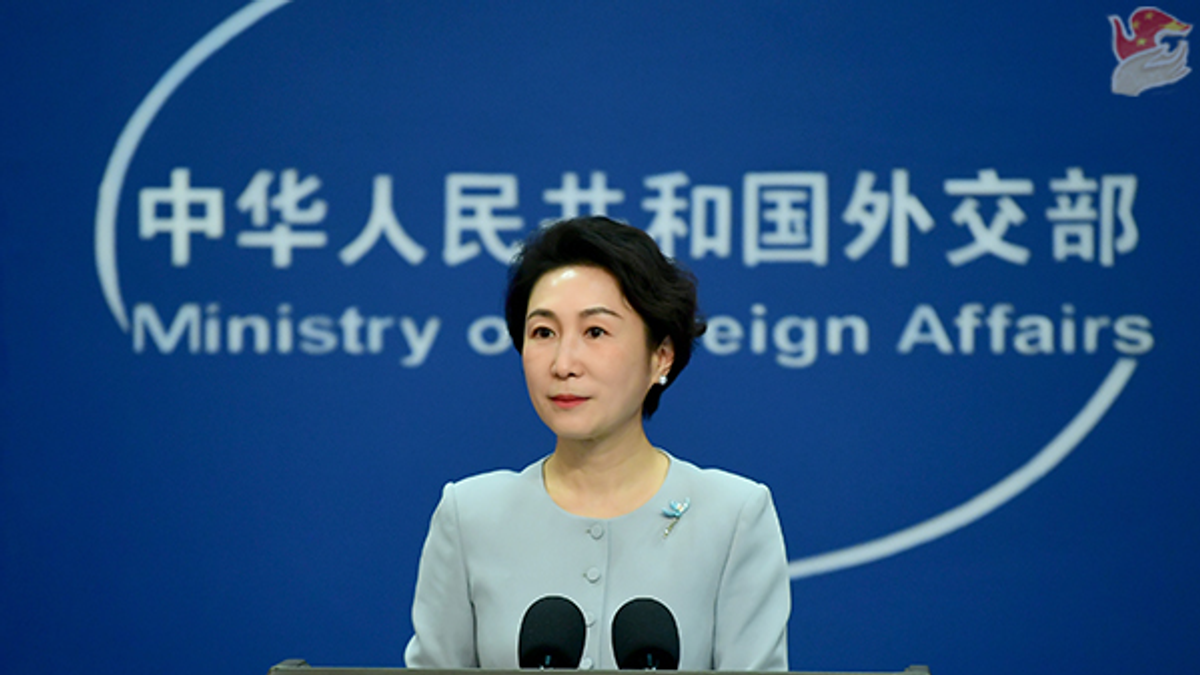
China announced that it expects APEC leaders to adopt a joint declaration at the upcoming meeting in Shenzhen on November 18‑19. The summit, the first hosted by Beijing in twelve years, will be framed around "openness, innovation and cooperation" and promises practical outcomes in trade, connectivity, the digital economy and artificial intelligence.
China sees the Shenzhen gathering as a stage to cement its narrative of responsible leadership in the Asia‑Pacific. By hosting, Beijing can showcase its economic resurgence, distract from domestic slowdown, and signal to United States rivals that it can set the agenda for regional trade rules. The emphasis on openness masks a strategic push to embed Chinese standards—particularly in 5G, fintech and AI—into the supply chains of smaller economies that rely on Chinese markets.
At the same time, the United States and its allies are quietly calibrating their own diplomatic outreach, hoping to insert language that protects intellectual property and limits forced technology transfers. The balance of power in the forum is therefore less about consensus and more about a calculated contest of regulatory influence, where each side bets that the declaration will become a reference point for future bilateral agreements.
Economic incentives also drive the calculus. Chinese state‑owned enterprises stand to benefit from new connectivity projects funded under the Belt and Road Initiative, while domestic tech giants lobby for looser cross‑border data rules that could accelerate their overseas expansion. For many APEC members, aligning with Beijing’s priorities offers a shortcut to infrastructure financing, even as it may lock them into a dependency cycle.
Small exporters in Vietnam, the Philippines and Indonesia already feel the pressure of fluctuating tariffs and standards. A declaration that leans toward Chinese‑designed digital customs platforms could force these firms to upgrade costly IT systems, squeezing profit margins and threatening jobs in export‑oriented factories.
Manufacturing workers in Guangdong and other coastal provinces are often hailed as the engine of China’s growth, yet they bear the brunt of any sudden policy shift. If the declaration pushes for tighter AI‑driven automation standards, thousands of assembly‑line laborers could face layoffs without adequate retraining programs.
Fishermen along the South China Sea coast, many of whom depend on cross‑border marine resources, risk losing access if new maritime‑security clauses prioritize Chinese naval patrols. Their livelihoods, already precarious due to climate‑induced fish stock declines, could be further destabilized by a declaration that normalizes a security architecture favoring Beijing.
Consumers across the region may also see price volatility. A push for greater digital integration could accelerate e‑commerce growth, but it may also concentrate market power in a handful of Chinese platforms, reducing competition and driving up costs for local retailers.
Official Chinese statements downplay the geopolitical undercurrents, repeatedly framing the summit as a purely economic exercise. State media, however, subtly emphasizes the "peaceful rise" narrative, sidestepping the reality that the declaration will embed security provisions that legitimize Chinese naval presence in contested waters.
Western governments, while publicly urging a balanced outcome, often omit the extent of corporate lobbying behind their own positions. Tech firms from the United States and Europe are pressuring their capitals to include strict data‑localization clauses, hoping to protect market share against Chinese rivals.
Environmental impacts receive scant attention. New connectivity projects—high‑speed rail, undersea cables and AI‑optimized logistics—promise efficiency but also entail large‑scale construction that can disrupt ecosystems, especially in biodiverse coastal zones. The declaration’s silence on sustainability masks a trade‑off that will affect communities dependent on fishing and tourism.
Analysts will be parsing the exact language of the declaration for cues on tariff schedules, digital‑trade rules and AI governance. Any reference to "voluntary" standards versus "mandatory" compliance will signal how much leeway smaller economies retain.
Follow the post‑summit communiqués from the United States and Japan. Their reactions often reveal the next round of bilateral talks that could either reinforce or counterbalance Beijing’s agenda.
Watch for the rollout of pilot projects announced at the summit—especially those linking Chinese fintech platforms with local banks. Early adoption rates will indicate whether the promised "prosperity" translates into tangible benefits or deepens financial dependence.
Finally, monitor civil‑society responses in host cities. Protests or public commentary on environmental and labor concerns can pressure governments to demand clearer safeguards in future APEC cycles.
By keeping an eye on these signals, ordinary citizens across the Asia‑Pacific can gauge whether the Shenzhen declaration will truly deliver shared growth or simply re‑configure power in ways that favor a handful of dominant actors.
China is pushing for consensus on openness, innovation and cooperation, with a focus on trade facilitation, digital‑economy integration, AI standards and infrastructure connectivity that align with its own regulatory models.
If the declaration adopts Chinese‑led digital customs and data rules, small exporters may need costly system upgrades, while tighter AI standards could pressure labor‑intensive firms to automate, risking job losses without adequate support.
Source referenced: CGTN
This brief was synthesized by our Editorial Engine and reviewed by The Ground Narrative team.


