TRENDING

Friday, 13 November 2026
----------------------
3 Jumada Al-Thani 1448 AH
India has revoked the visa of Norwegian journalist Helle Lyng, reportedly in retaliation for her questioning Prime Minister Narendra Modi on press freedom. The move signals a tightening grip on critical narratives ahead of a scheduled speaking engagement.
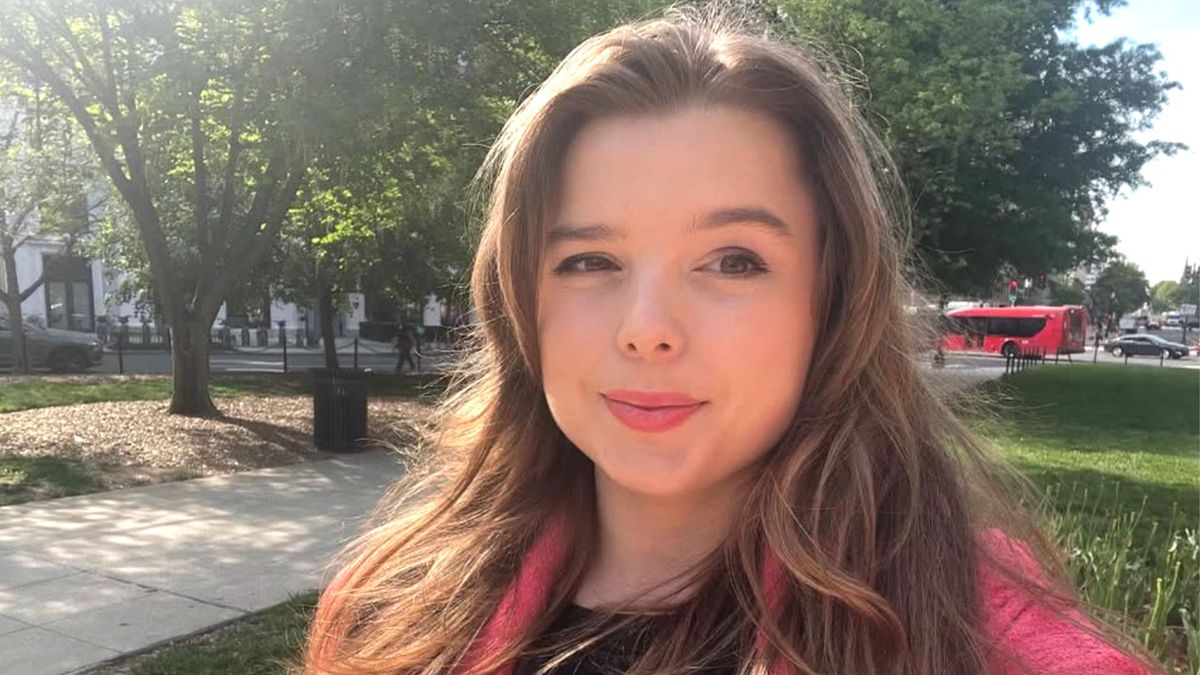
India recently cancelled the visa of Norwegian journalist Helle Lyng, preventing her from attending a Congress-organised summit where she was slated to speak. The cancellation reportedly stems from an incident in May where Lyng directly questioned Prime Minister Narendra Modi regarding press freedom during an event in Oslo. This action by the Indian government has drawn immediate attention, highlighting concerns about the state of media independence and the treatment of international journalists seeking to report on or within the country.
This incident is not an isolated event but rather a clear demonstration of how powerful states, like India, leverage administrative tools to manage their international image and control domestic narratives. The power to grant or revoke a visa is a sovereign right, yet its application in this context reveals a calculated strategy to deter dissent and enforce a specific public relations agenda.
Under Prime Minister Narendra Modi's leadership, India has seen a significant shift in its approach to media and public discourse. While India often projects itself as the world's largest democracy, there has been a consistent pattern of actions perceived as attempts to curb press freedom and silence critical voices. This includes pressure on local media outlets, the use of sedition laws, and restrictions on foreign journalists and NGOs. The cancellation of Helle Lyng's visa fits into this broader pattern, serving as a stark warning to others who might consider challenging the official narrative or questioning high-ranking officials on sensitive topics.
The visa, in this instance, transcends its bureaucratic function to become a tool of geopolitical influence. By denying entry to a journalist who posed an uncomfortable question, India sends a clear message: access to the country is conditional on adherence to an unspoken code of conduct that avoids critical scrutiny of the government. This tactic is particularly potent for a nation like India, which is rapidly ascending on the global stage and is acutely sensitive to its international image. The government seeks to project an image of stability, economic growth, and democratic strength, and any narrative that deviates from this is often met with swift, albeit often administratively disguised, countermeasures.
This incident also subtly plays into a broader dynamic between the Global North and South. Emerging powers often resent what they perceive as patronizing scrutiny from Western media, viewing it as a continuation of colonial-era oversight. By pushing back against a Norwegian journalist, the Indian government might also be appealing to a domestic audience that views such questioning as an infringement on national sovereignty or an attempt to undermine India's rise. This allows the government to frame its actions as defending national dignity rather than suppressing freedom of speech.
The primary power mechanic at play is the creation of a chilling effect. When a journalist is penalized for asking a direct question to a head of state, it discourages others – both foreign and domestic – from pursuing similar lines of inquiry. This self-censorship, driven by the fear of professional repercussions or denial of access, is a highly effective, low-cost method of information control. It ensures that the narratives circulating about India are largely aligned with the government's preferred messaging, thereby consolidating its power and reducing public accountability.
The cancellation of Helle Lyng's visa carries significant human costs, extending far beyond the individual journalist to impact Indian citizens, the global media landscape, and the very fabric of democratic discourse.
For Helle Lyng, the immediate cost is professional. Her ability to report on India is compromised, her planned speaking engagement cancelled, and her reputation potentially impacted by the government's implicit accusation of unwanted scrutiny. This incident could lead to difficulties in gaining access to other countries sensitive to critical reporting, effectively limiting her professional scope and freedom to pursue stories of public interest.
The most profound human cost is borne by Indian citizens. When foreign journalists are barred for asking questions about press freedom, it sends a clear signal to local media: critical reporting carries risks. This can lead to increased self-censorship among Indian journalists, who already operate under significant pressure from government and corporate interests. A suppressed media environment deprives citizens of diverse perspectives, robust investigative journalism, and the information necessary to hold their leaders accountable. This erosion of independent media directly undermines democratic processes, making it harder for the public to make informed decisions about their governance and future.
Democracy thrives on open debate, the free exchange of ideas, and the ability to question power without fear of reprisal. By silencing a journalist for asking a legitimate question about press freedom, the Indian government actively shrinks the space for such discourse. This creates an environment where uncomfortable truths are suppressed, and the public narrative is carefully curated, leading to a less vibrant and less resilient democracy. The incident suggests that certain topics, even fundamental democratic principles, are off-limits for critical examination, especially when they involve the highest echelons of power.
Beyond India's borders, this action sets a troubling precedent for international journalism. It signals that powerful states can use administrative means to control access and punish critical reporting, potentially encouraging other nations to adopt similar tactics. Furthermore, the cancellation ahead of a Congress-organised summit also touches upon academic and intellectual freedom, as it restricts the ability of experts and commentators to participate in public discussions within India, regardless of their nationality. This has a chilling effect on global intellectual exchange and the free flow of information across borders.
What governments and official statements often downplay or omit in such situations is the deliberate strategic intent behind seemingly administrative actions. The Indian government's narrative around Helle Lyng's visa cancellation is likely to be framed in terms of routine immigration procedures or national sovereignty, carefully avoiding any direct admission that it was a punitive measure for her journalistic inquiry.
Source referenced: ALJAZEERA
This brief was synthesized by our Editorial Engine and reviewed by The Ground Narrative team.