TRENDING

Friday, 13 November 2026
----------------------
3 Jumada Al-Thani 1448 AH
A baby has died from the cold in Gaza, underscoring a deepening humanitarian catastrophe. This tragedy unfolds as 53 nations urge Israel to permit critical aid, even as military operations persist across Gaza and the occupied West Bank.
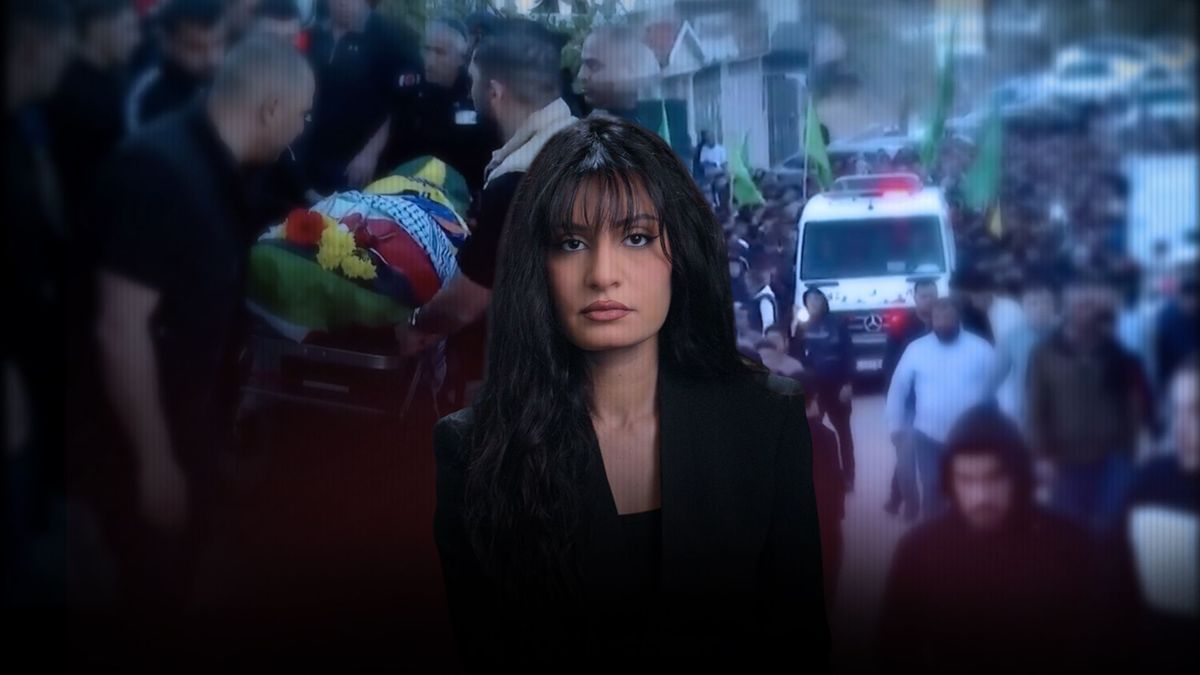
A baby in Gaza has tragically died from the cold, a stark indicator of the deepening humanitarian crisis gripping the besieged territory. This devastating event comes as a coalition of 53 countries has formally urged Israel to facilitate the entry of much-needed humanitarian aid. Simultaneously, Israeli military operations are reported to be continuing across both Gaza and the occupied West Bank, further complicating efforts to deliver essential supplies and provide relief to a population already facing extreme hardship.
The death of a child from exposure in Gaza is not merely a tragic isolated incident; it is a direct consequence of entrenched power dynamics and strategic calculations that prioritize security and political objectives over civilian welfare. At the core of this crisis is Israel's extensive control over Gaza's borders, airspace, and maritime access. This control, implemented as part of a long-standing blockade, dictates the flow of goods, people, and humanitarian assistance into the territory. While Israel consistently cites security concerns, particularly regarding Hamas, as the primary justification for these restrictions, the practical outcome is a severe limitation on essential supplies, including fuel for heating, medical equipment, and adequate shelter materials.
The international community, represented by the 53 nations urging aid access, exercises a form of diplomatic power. However, the effectiveness of this power is often constrained. While such calls highlight global concern and can generate moral pressure, they frequently lack the enforcement mechanisms necessary to compel a change in policy, especially when a powerful ally like the United States provides consistent diplomatic and military backing to Israel. This dynamic allows Israel to largely withstand international pressure, balancing its security imperatives against humanitarian appeals.
Hamas, as the de facto governing authority in Gaza, also wields significant power, albeit of a different nature. Its military actions and political posture often provoke or are cited as justifications for Israeli responses, which in turn impact the civilian population. The internal Palestinian political divide, with Hamas controlling Gaza and the Palestinian Authority governing parts of the West Bank, further fragments governance and complicates unified humanitarian responses or long-term political solutions. Both Hamas and Israeli leaders operate under intense domestic political pressures, where perceived weakness on security matters can have significant political costs, often leading to policies that prioritize short-term security gains over the long-term well-being of civilians.
Ultimately, the structural forces at play create a cycle of vulnerability. The prolonged blockade has systematically degraded Gaza's infrastructure, economy, and healthcare system, leaving its population with minimal resilience to shocks. When military operations intensify or aid access is severely curtailed, the pre-existing fragility quickly escalates into acute humanitarian catastrophe, with the most vulnerable bearing the immediate and often fatal consequences.
The death of a baby from cold in Gaza is a stark, undeniable symbol of the profound human cost borne by ordinary civilians caught in the crosshairs of geopolitical conflict and prolonged blockade. This is not an isolated incident but a symptom of a systemic crisis that disproportionately affects the most vulnerable segments of the population.
For infants, the elderly, and those with chronic illnesses, the lack of adequate heating, shelter, and nutrition transforms winter into a deadly season. Families in Gaza often lack access to basic necessities like blankets, warm clothing, and fuel for heating due to severe import restrictions and economic devastation. Many are displaced, living in overcrowded, makeshift shelters that offer little protection from the elements. This vulnerability is compounded by a healthcare system on the brink of collapse, where hospitals lack essential medicines, equipment, and even electricity. Preventable illnesses become fatal, and treatable conditions escalate rapidly without proper care. Malnutrition, exacerbated by food insecurity, weakens immune systems, making individuals more susceptible to cold-related illnesses and infections. The combination of cold, hunger, and disease creates a lethal environment, turning basic survival into a daily struggle.
Beyond immediate fatalities, the ongoing crisis inflicts deep and lasting trauma on an entire generation. Children in Gaza grow up amidst constant fear, displacement, and deprivation. Their education is frequently disrupted, their homes destroyed, and their sense of safety shattered. The psychological toll of witnessing violence, living in chronic uncertainty, and experiencing profound loss leads to widespread mental health issues, including anxiety, depression, and post-traumatic stress disorder. This sustained exposure to trauma can hinder cognitive development, social skills, and overall well-being, creating a cycle of suffering that extends far beyond the immediate conflict. The lack of clean water and sanitation further increases the risk of waterborne diseases, impacting children's health and development. The human cost is measured not just in lives lost, but in the erosion of dignity, the destruction of futures, and the profound, intergenerational scarring of a population denied basic human security.
While the immediate tragedy of a baby dying from cold in Gaza garners international attention, much of the underlying narrative remains obscured or deliberately downplayed by powerful actors. The official statements and media framing often fail to connect the dots between individual suffering and the systemic policies that create such dire conditions, presenting the crisis as an unfortunate byproduct rather than a direct consequence of strategic choices.
The baby reportedly died from cold, highlighting the severe lack of adequate shelter, heating, and humanitarian supplies in Gaza due to ongoing conflict and restrictions on aid.
Aid access to Gaza is primarily controlled by Israel, which cites security concerns related to Hamas. This control, alongside the long-standing blockade, severely limits the entry of essential goods and humanitarian assistance.
Over 50 countries have publicly urged Israel to allow more humanitarian aid into Gaza. However, the effectiveness of this diplomatic pressure in significantly increasing aid flow remains a critical point of concern.
Source referenced: ALJAZEERA
This brief was synthesized by our Editorial Engine and reviewed by The Ground Narrative team.