TRENDING

Friday, 13 November 2026
----------------------
3 Jumada Al-Thani 1448 AH
Pope Leo’s 12‑day journey through Uruguay, Argentina and Peru is more than a religious pilgrimage; it is a stage where Vatican diplomacy meets regional politics. The analysis uncovers who benefits, who bears the cost, and what the tour signals for Latin America’s future.
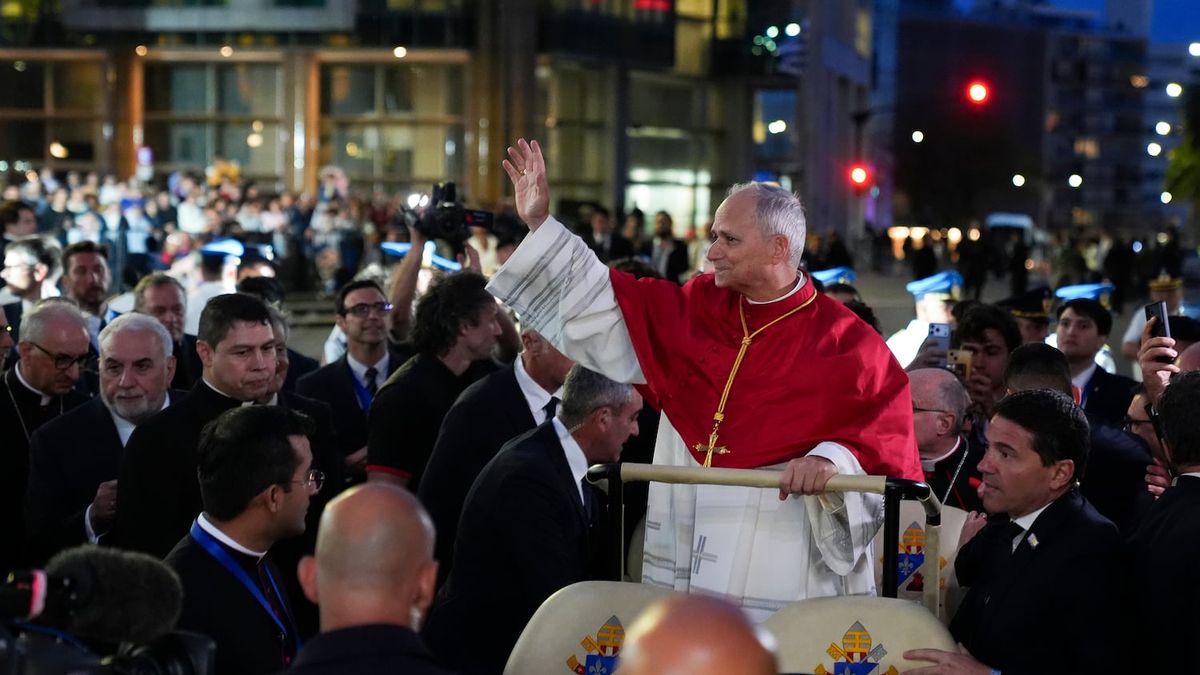
Pope Leo began a 12‑day tour of South America on November 1, touching down first in Uruguay, then moving on to Argentina, and concluding in Peru. The itinerary was framed as a pastoral visit, yet crowds in Montevideo, Buenos Aires and Chiclayo turned the events into massive public spectacles, with the pontiff delivering speeches that praised social welfare and multilateral cooperation. In Argentina, the pope’s call for a robust safety net directly challenged President Javier Milei’s austerity program, while in Peru he revisited the neighborhoods where he once served as a missionary.
The Holy See has long leveraged moral authority to influence global affairs, but under Pope Leo the strategy has sharpened. By positioning the Church as a guardian of multilateralism, the Vatican seeks to counterbalance the increasingly unilateral posture of the United States, which has been flexing military and economic muscle in the region through sanctions on Venezuela and support for right‑leaning governments. The pope’s public questioning of U.S. actions in Venezuela and Iran signals a diplomatic gambit: to re‑assert the Vatican’s relevance as a normative voice that can rally small states around shared legal principles.
For leaders like Milei, the visit offers a paradoxical boost. While the pope’s social‑justice rhetoric clashes with the president’s market‑first agenda, Milei’s tearful farewell underscores a political calculus—showcasing personal humility and respect for a popular religious figure can soften an otherwise polarizing image. In Uruguay, a nation with a declining Catholic majority, the pope’s emphasis on civic tradition and negotiation aligns with the country’s long‑standing reputation as a diplomatic bridge‑builder, reinforcing its soft‑power cachet without demanding a religious revival.
The tour also dovetails with trade and aid considerations. Argentina’s economy is reeling from high inflation and debt restructuring, and the pope’s endorsement of a stronger welfare state indirectly pressures the IMF and private creditors to contemplate more lenient terms. In Peru, the pope’s hometown of Chiclayo is a hub for agricultural exports; his presence draws international media attention that can translate into tourism dollars and potential foreign investment, especially from Catholic‑majority nations seeking goodwill.
Across the three countries, the most visible beneficiaries of the pope’s message are the urban poor, informal workers and indigenous communities who have been squeezed by austerity, rising food prices and climate shocks. In Buenos Aires, street vendors reported a surge in donations and volunteer assistance following the papal mass, yet the underlying structural deficits—lack of formal employment contracts and limited access to health services—remain untouched.
In Peru, the Andean highlands continue to suffer from erratic rainfall linked to El Niño, threatening subsistence farming. While the pope’s visit highlighted solidarity, it did little to address the inadequate state response to drought relief, leaving families to rely on ad‑hoc charity. Similarly, in Uruguay, the decline of Catholic affiliation has not halted the rise of evangelical groups that often lack the organizational capacity to provide social safety nets, leaving a vacuum that the state has yet to fill.
Milei’s austerity measures have sparked protests and labor strikes. The pope’s call for a “strong social welfare state” emboldens opposition groups, but it also risks inflaming supporters of the president who view external moral commentary as interference. The resulting tension can translate into heightened police presence and potential crackdowns on dissent, raising the stakes for activists on the ground.
Mainstream coverage in the United States and Europe has largely celebrated the tour as a feel‑good story, emphasizing the pope’s charisma and the crowds’ enthusiasm. What receives far less attention is the Vatican’s behind‑the‑scenes lobbying with regional blocs such as Mercosur and the Pacific Alliance, seeking to embed Catholic social teaching into trade agreements and environmental protocols. This diplomatic push is downplayed in official statements that focus on spiritual themes.
Hotel chains, airlines and local vendors stand to profit from the influx of pilgrims and journalists. While the Vatican’s press releases highlight charitable initiatives, they rarely disclose the economic contracts awarded to multinational hospitality firms that dominate the accommodation market in Buenos Aires and Lima. This omission obscures how private capital benefits from a religious event framed as a moral mission.
The pope’s criticism of U.S. actions in Venezuela and Iran is presented as a moral stance, yet it also serves as a subtle warning to Washington that the Vatican can mobilize public opinion across the hemisphere. By aligning with small‑state advocacy, the Holy See positions itself as a potential counterweight to U.S. hegemony, a nuance that is rarely explored in official Vatican communications.
Argentina’s mid‑term legislative elections are slated for early 2027. The pope’s endorsement of social welfare could influence swing voters, potentially reshaping the balance of power in the lower house and affecting Milei’s ability to push through further cuts. In Peru, the 2026 presidential race is already heating up, with candidates vying to claim the pope’s moral authority as a campaign asset.
The Ibero‑American Summit in Spain, which concluded just before the papal tour, signaled a renewed interest among Latin American leaders to diversify partnerships beyond the United States and China. Watch for any joint statements that reference the pope’s calls for multilateralism, as they may foreshadow new coalition building within the UN framework.
Follow any discreet meetings between Vatican envoys and heads of state in the weeks after the tour. Leaked cables or diplomatic notes could reveal concrete proposals—such as incorporating Catholic social doctrine into trade clauses or climate accords—that would illustrate how spiritual rhetoric translates into policy leverage.
By tracing these threads, readers can see beyond the spectacle of crowds and incense to understand who wields influence, who endures the fallout, and what hidden agendas shape the future of Latin America.
The pope’s public call for a stronger welfare state puts moral pressure on President Milei, potentially swaying public opinion and making it harder for the government to push further austerity measures without facing increased protests.
Hospitality firms, airlines and local vendors see a surge in demand for rooms, flights and services, translating the religious event into a lucrative tourism boost that is rarely mentioned in official Vatican statements.
Source referenced: FOREIGNPOLICY
This brief was synthesized by our Editorial Engine and reviewed by The Ground Narrative team.