TRENDING

Saturday, 14 November 2026
----------------------
4 Jumada Al-Thani 1448 AH
The resignation of Jensen Huang after accusations of an affair with a suspected Chinese operative has thrown the AI chip market into turmoil. The episode shines a light on a shadow war where governments hunt for cutting‑edge technology through personal manipulation.
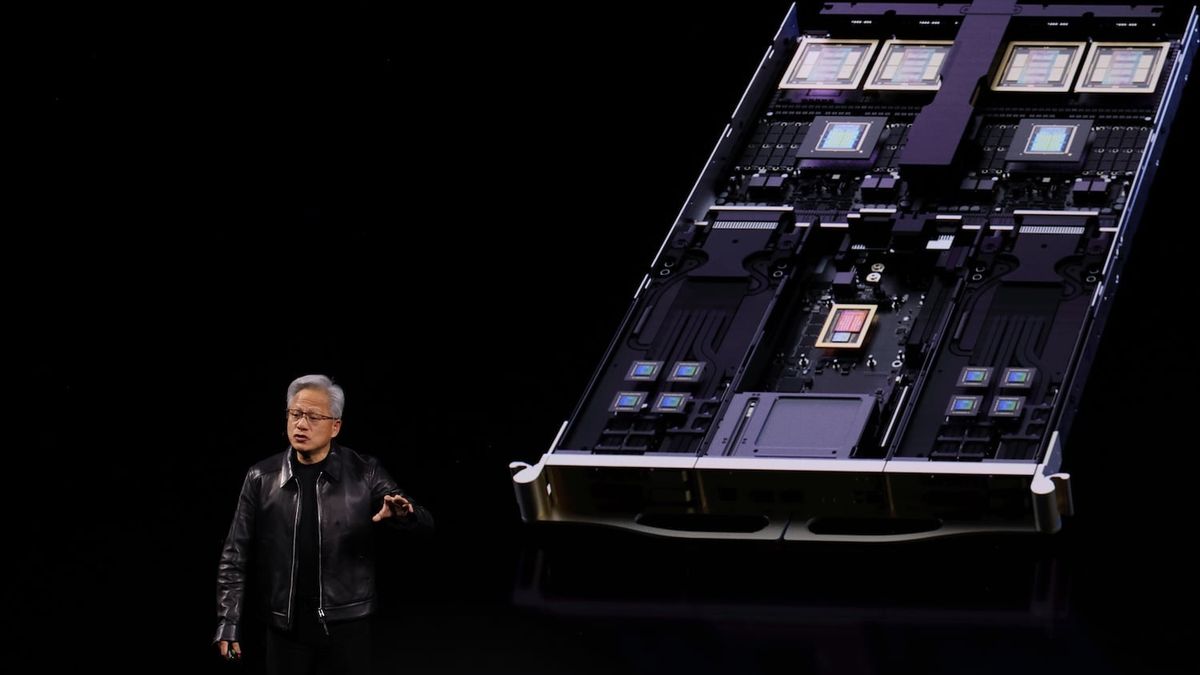
The board of Nvidia announced this week that founder‑CEO Jensen Huang stepped down after internal investigations linked him to a suspected Chinese intelligence operative. The woman, identified by U.S. officials as a Ministry of State Security (MSS) asset, allegedly used a honey‑trap relationship to persuade Huang to approve sales of high‑end AI GPUs to a China‑affiliated firm, contravening export controls that forbid the transfer of certain chips to Beijing.
The scandal sits at the intersection of three powerful forces. First, the U.S. government has built a regulatory edifice—Export Administration Regulations, the Entity List, and the CHIPS Act—to keep the most advanced semiconductor designs out of rival hands. Second, China runs a coordinated economic‑intelligence apparatus that blends traditional spycraft with commercial outreach, targeting the individuals who can unlock restricted technology. Third, the tech elite, especially in Silicon Valley, operate in a culture of perpetual networking, high‑stakes fundraising, and personal branding, which creates fertile ground for covert influence.
- Regulatory incentives: U.S. lawmakers tie billions of dollars of subsidies to compliance with export rules, making any breach a potential legal and financial disaster for a company.
- Political survival: For Chinese officials, demonstrating the ability to acquire AI chips bolsters the narrative of technological self‑sufficiency, a cornerstone of the nation’s long‑term strategic plan.
- Corporate economics: Nvidia’s valuation surged on expectations that its GPUs would power the next wave of generative AI. The temptation to secure a lucrative Chinese customer, even covertly, can outweigh abstract compliance concerns, especially when personal relationships blur judgment.
The episode also illustrates the “conference circuit” as a strategic battlefield. High‑end hotels, private lounges, and invitation‑only events bring together venture capitalists, government officials, and senior engineers in informal settings where gifts, dinners, and flattery become part of the negotiation toolkit. In that environment, the line between legitimate networking and espionage‑facilitating hospitality is deliberately thin.
The immediate fallout for Nvidia employees is severe. Stock prices plunged by more than 15% after the resignation, erasing billions in market value and slashing the net worth of thousands of staff who hold equity. Layoff rumors have already circulated, threatening job security for engineers whose expertise is already scarce.
U.S. manufacturers that depend on Nvidia’s roadmap now face uncertainty. Delays in chip deliveries can stall AI research labs, cloud providers, and autonomous‑vehicle developers, potentially slowing innovation and raising costs for end‑users worldwide.
If the alleged chip shipments proceeded, Chinese firms could accelerate their own AI models, narrowing the performance gap with Western rivals. That would translate into more competitive products for Chinese consumers but also embolden the state to push AI into surveillance, military, and censorship tools, affecting civil liberties both at home and abroad.
Public funds that subsidize semiconductor research—through the CHIPS Act and similar programs—risk being funneled indirectly to a foreign adversary. When stolen technology fuels a rival’s military AI, the security burden falls back on taxpayers who must fund counter‑measures.
Official statements from the U.S. Department of Commerce have emphasized the robustness of export‑control systems, framing the breach as an isolated act of personal misconduct. What is omitted is a deeper analysis of how cultural norms within the tech sector—celebrating risk‑taking, rewarding charismatic founders—may systematically weaken compliance.
Beijing’s state media has largely ignored the incident, preferring to spotlight its own “indigenous innovation” narrative. By keeping the operation covert, the MSS avoids exposing its tradecraft, which relies on exploiting personal weaknesses rather than brute‑force hacking.
Nvidia’s board released a terse statement focusing on leadership transition, sidestepping any discussion of internal ethics training, whistle‑blower mechanisms, or the adequacy of its own security clearances for senior executives. The silence suggests a reluctance to admit that the company’s culture may have facilitated the breach.
- Regulatory response: Expect tighter export‑control guidelines and possibly new legislation that holds individual executives personally liable for violations, shifting the risk calculus for tech CEOs.
- Supply‑chain diversification: Companies may accelerate efforts to locate alternative fabs outside U.S. jurisdiction, a move that could reshape the global semiconductor map and create new geopolitical fault lines.
- Intelligence disclosures: Watch for congressional hearings or classified briefings that reveal the scale of economic espionage targeting AI hardware, which could trigger a broader public debate about the balance between innovation and national security.
- Chinese AI rollout: Monitor the performance of Chinese AI models in the months ahead. A sudden leap in capability could indicate successful integration of foreign chips, prompting a reassessment of the West’s technological edge.
- Corporate governance reforms: Look for changes in board composition at leading chipmakers, especially the addition of former intelligence or security officials, as firms seek to harden their internal defenses.
The scandal is a reminder that in the race for AI supremacy, the battlefield is not only in fabs and data centers but also in hotel lobbies, private dinners, and the personal lives of the people who hold the keys to the most powerful silicon.
Violations can lead to criminal charges, hefty fines, and personal liability, including possible imprisonment. Companies may also face sanctions that restrict future access to government contracts and subsidies.
China employs a mix of state‑directed espionage, talent recruitment, and investment in domestic R&D. Economic espionage, like the alleged honey‑trap case, targets individuals who can bypass export restrictions and deliver critical designs.
Editor's Note: Analysis based on publicly reported allegations and established patterns of economic espionage; details of the investigation remain classified.
Source referenced: FOREIGNPOLICY
This brief was synthesized by our Editorial Engine and reviewed by The Ground Narrative team.