TRENDING

Monday, 5 October 2026
----------------------
24 Rabi' Al-Thani 1448 AH
China has deployed nearly 1,000 medical professionals to Africa to combat an Ebola outbreak, reinforcing its long-standing medical diplomacy. This initiative underscores Beijing's multifaceted strategy to enhance soft power, protect economic interests, and solidify its global influence on the continent.
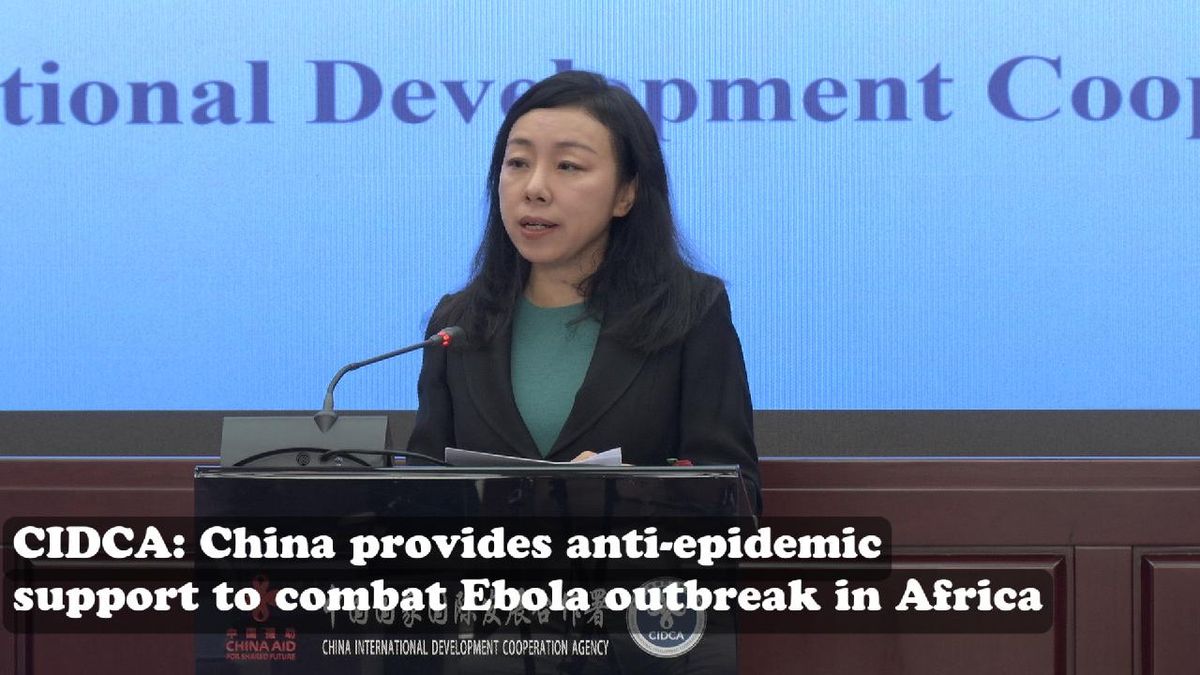
China has once again demonstrated its commitment to Africa through significant anti-epidemic support, deploying nearly 1,000 medical professionals to combat an ongoing Ebola outbreak. This initiative, announced in June 2026 by the China International Development Cooperation Agency (CIDCA), sees 44 Chinese medical teams working across various African nations. The deployment underscores a consistent pillar of Beijing's foreign policy: leveraging public health assistance as a critical component of its broader engagement strategy on the continent.
China's medical diplomacy in Africa is not a recent phenomenon but a well-established practice dating back to the 1960s. Over decades, China has sent hundreds of thousands of medical personnel, built hospitals, and provided medical equipment and training to African countries. This long-term engagement has fostered significant goodwill and laid a robust foundation for deeper bilateral relations. The current response to the Ebola outbreak is a continuation of this historical trajectory, reinforcing China's image as a reliable partner in times of crisis.
The motivations behind such extensive aid are multifaceted, extending beyond humanitarian concerns to encompass strategic geopolitical and economic objectives. From a geopolitical perspective, China's proactive stance in addressing public health crises like Ebola serves to enhance its soft power and global standing. By providing tangible support, Beijing aims to differentiate itself from other international actors and solidify its influence across Africa, a continent rich in natural resources and a crucial market for Chinese goods and investments. This strategy is particularly pertinent in an era of increasing competition for influence in Africa, where Western powers, including the United States and European Union, also seek to strengthen their partnerships.
Economically, a stable and healthy Africa is vital for the success of China's ambitious Belt and Road Initiative (BRI). Epidemics like Ebola can severely disrupt economic activities, trade routes, and infrastructure projects, posing direct threats to Chinese investments and personnel on the ground. Therefore, assisting African nations in controlling outbreaks is a pragmatic step to safeguard China's extensive economic interests and ensure the continuity of its development projects.
The deployment of 44 medical teams, comprising nearly 1,000 professionals, represents a substantial commitment of resources and expertise. These teams are working "side by side with the African people," indicating a collaborative approach that emphasizes capacity building and direct engagement. This hands-on method not only provides immediate relief but also contributes to strengthening local healthcare systems and training local medical personnel, thereby enhancing Africa's long-term resilience against future health crises.
The specific focus on Ebola highlights the severity of the current outbreak and China's readiness to tackle high-stakes public health emergencies. China has previous experience in combating Ebola, notably during the 2014-2016 West Africa epidemic, where it also deployed significant medical resources. This experience allows China to offer proven strategies and expertise in disease surveillance, diagnosis, treatment, and prevention, which are critical for containing such a virulent pathogen.
This latest wave of Chinese medical assistance carries significant implications for regional stability and global power dynamics. For African nations, it provides much-needed support in managing a severe public health threat, potentially saving lives and mitigating the socio-economic fallout of the epidemic. It also reinforces the perception of China as a responsive and dependable partner, which could further cement political and diplomatic ties.
Globally, China's robust response positions it as a key player in global health governance. Following the COVID-19 pandemic, where China faced scrutiny over its initial handling of the outbreak but later emerged as a major provider of vaccines and medical supplies, this Ebola response allows Beijing to project an image of proactive global health leadership. It underscores China's growing capacity and willingness to contribute to international public goods, challenging traditional narratives of global leadership.
In conclusion, China's anti-epidemic support to Africa is a strategic maneuver that intertwines humanitarian aid with long-term geopolitical and economic objectives. By deploying substantial medical resources to combat Ebola, Beijing not only addresses an immediate public health crisis but also strengthens its soft power, protects its economic interests, and reinforces its position as a significant global actor, particularly in the crucial African continent. This ongoing engagement is likely to continue shaping the dynamics of international relations and development cooperation for years to come.
Source referenced: CGTN
This brief was synthesized by our Editorial Engine and reviewed by The Ground Narrative team.


