TRENDING

Tuesday, 22 September 2026
----------------------
11 Rabi' Al-Thani 1448 AH
A holiday weekend in Chicago saw a surge in gun violence, prompting former President Donald Trump to renew calls for military intervention. The incidents underscore persistent challenges in urban security and ignite a contentious debate over federal-state authority and the role of the military in domestic law enforcement.
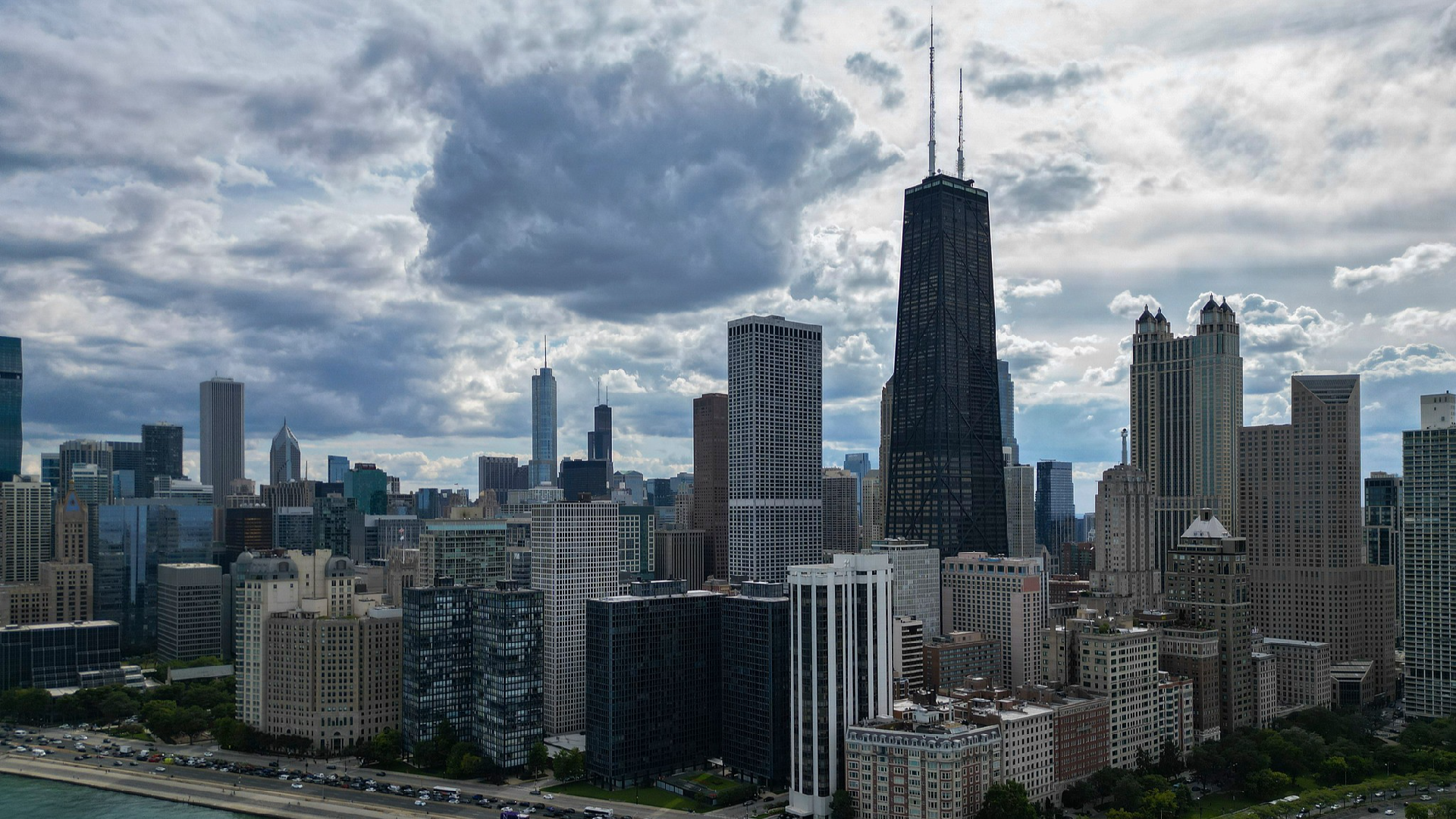
Chicago experienced a significant surge in gun violence over the extended Juneteenth Holiday weekend, resulting in eight fatalities and 38 injuries across the city. The incidents, which began on the evening of June 19 and continued through Sunday, June 22, 2026, involved at least two dozen separate shooting events. Victims ranged widely in age, from 14 to 70 years old, highlighting the indiscriminate nature of the violence. A particularly severe incident occurred on the night of June 19 on Chicago's Far South Side, where two gunmen opened fire from an SUV into a gathering crowd, wounding at least 12 individuals.
This outbreak of violence, while tragic, occurs within a broader context of fluctuating crime rates. Data from the Chicago Police Department indicates a slight uptick in shooting incidents compared to the first half of the previous year. However, this recent increase contrasts with a general trend of declining violent crime in the city over recent years, a pattern largely consistent with national trends across the United States. This nuance is critical for understanding the complex dynamics of urban security, where localized spikes can occur even amidst broader improvements.
In response to the weekend's violence, former U.S. President Donald Trump, on June 21, renewed his call for federal, specifically military, intervention in Chicago. Through a post on Truth Social, Trump directly challenged Illinois Governor Pritzker, stating, "Why isn't Governor Pritzker calling me for help. I could make Chicago a safe City in ONE MONTH, in ONE YEAR, it would be one of the safest!!!" This statement echoes a contentious policy approach previously pursued by Trump during his presidency.
In 2025, Trump deployed National Guard troops on crime-fighting missions in several Democrat-led cities, including Chicago. These deployments were met with fierce resistance from local and state officials, who viewed them as an overreach of federal power and an inappropriate use of military personnel for civilian law enforcement. The renewed call for military intervention reignites a significant debate within American politics regarding the balance of power between federal and state governments, the appropriate role of the military in domestic affairs, and the most effective strategies for addressing urban crime.
While primarily a domestic issue, the persistent challenge of urban violence in a major global city like Chicago, coupled with calls for federal military intervention, carries indirect geopolitical implications. The internal stability and governance capacity of a global superpower like the United States are closely observed by international actors. Frequent or severe internal security crises, particularly those that prompt debates about deploying military forces domestically, can influence global perceptions of a nation's strength, social cohesion, and the effectiveness of its democratic institutions.
The debate over federal intervention also highlights fundamental aspects of American federalism. The tension between state autonomy and federal authority is a recurring theme in U.S. history, particularly when different political parties control state and national governments. The proposal to use military assets for civilian law enforcement raises profound questions about civil liberties, the militarization of policing, and the potential erosion of democratic norms that separate military and civilian functions. Such discussions, while internal, resonate globally as they touch upon principles of governance and human rights that are often subjects of international discourse.
Furthermore, the ability of a nation to ensure the safety and well-being of its citizens is a core measure of its governmental effectiveness. When a major city struggles with recurrent violence, it can subtly impact a country's soft power and its image as a stable and secure environment, potentially affecting everything from international tourism and investment to its moral authority on global human rights issues. The ongoing challenge in Chicago, therefore, transcends local crime statistics, evolving into a broader commentary on American governance, societal challenges, and the complex interplay of politics, public safety, and national identity on the global stage.
The tragic events in Chicago over the Juneteenth weekend serve as a stark reminder of the enduring challenges posed by urban gun violence in the United States. Beyond the immediate human cost, these incidents have reignited a critical national debate concerning the appropriate governmental response, the limits of federal power, and the role of military forces in domestic security. As the U.S. navigates these complex issues, the outcomes will not only shape the future of its cities but also contribute to the international perception of its internal stability and the resilience of its democratic framework.