TRENDING

Saturday, 24 October 2026
----------------------
13 Jumada Al-Awwal 1448 AH
Chad's government has announced its withdrawal from the International Criminal Court (ICC), citing concerns over the court's selectivity and bias towards African states. The move follows a difficult week for the ICC, which saw the chief prosecutor voted out amid allegations of sexual misconduct.
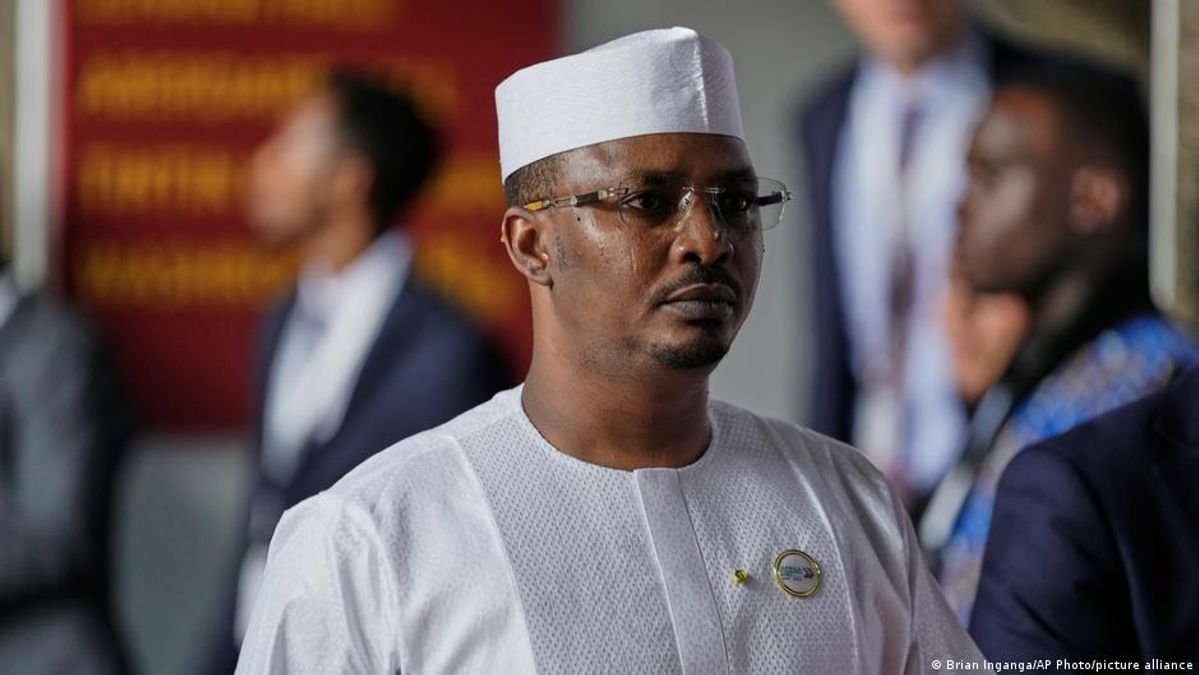
Chad's decision to withdraw from the International Criminal Court (ICC) has sent shockwaves across the international community. The move, announced by the country's Foreign Ministry, comes amid allegations of selectivity and bias towards African states. This development has significant implications for the ICC, the African continent, and the global community.
Chad's withdrawal from the ICC is not an isolated incident. The country has a long history of military rule, with the Deby family having been in power since 1990. The current president, Mahamat Idriss Deby, has been accused of human rights abuses and has been the subject of ICC investigations. The ICC's focus on African states, particularly those with authoritarian regimes, has been a point of contention for many African countries.
The ICC's record of prosecutions reveals a concerning trend of selectivity and bias towards African states. Of the 13 cases launched since the court's founding, nine concern African states. The ICC's investigations have also been criticized for being slow and ineffective, with many cases taking years to resolve. This has led to accusations of bias and a lack of accountability.
Chad's withdrawal from the ICC may signal a shift in African Union policy. The African Union has long been critical of the ICC's selectivity and bias, and many member states have expressed concerns over the court's effectiveness. This move may embolden other African countries to follow suit, potentially undermining the ICC's authority and credibility.
The ICC's weakened position may have significant consequences for global power dynamics. The court's ability to hold individuals accountable for war crimes and crimes against humanity may be compromised, potentially emboldening authoritarian regimes. This development may also have implications for the United States, which has been critical of the ICC's selectivity and bias.
Chad's withdrawal from the ICC is a strategic move that reflects the country's concerns over the court's selectivity and bias. This development has significant implications for the ICC, the African continent, and the global community. As the world watches, it remains to be seen how this move will impact the ICC's effectiveness and the global balance of power.
Source referenced: DW
This brief was synthesized by our Editorial Engine and reviewed by The Ground Narrative team.