TRENDING

Tuesday, 27 October 2026
----------------------
16 Jumada Al-Awwal 1448 AH
Chad's decision to withdraw from the International Criminal Court (ICC) has sparked concerns about the erosion of international justice and the potential for impunity in Africa.
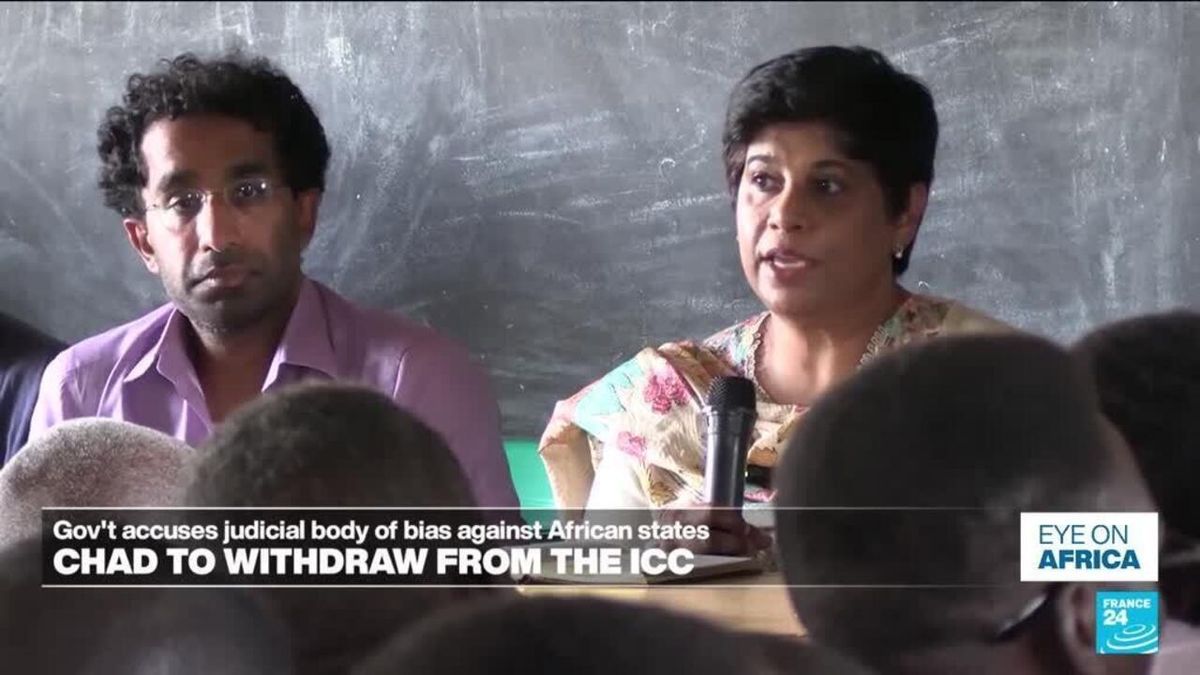
Chad's announcement to withdraw from the International Criminal Court (ICC) on July 28, 2026, has sent shockwaves across the international community. The move is seen as a significant blow to the ICC's efforts to hold perpetrators of war crimes and crimes against humanity accountable.
The ICC was established in 2002 to investigate and prosecute individuals responsible for genocide, war crimes, and crimes against humanity. Chad's withdrawal from the ICC is a worrying trend that could embolden other African countries to follow suit. This could lead to a significant erosion of international justice and create a culture of impunity on the continent.
Chad's decision to withdraw from the ICC is not an isolated incident. In recent years, several African countries, including Burundi, South Africa, and Gambia, have withdrawn from the ICC or threatened to do so. This trend is largely driven by a perception that the ICC is biased against Africa and that it is being used as a tool of Western imperialism.
Chad's withdrawal from the ICC has significant regional implications. The country is a key player in the Sahel region, and its withdrawal could embolden other countries in the region to follow suit. This could lead to a breakdown in regional security and create an environment conducive to conflict and instability.
The consequences of Chad's withdrawal from the ICC are far-reaching. It could lead to a decline in international justice and create a culture of impunity on the continent. It could also embolden other countries to withdraw from the ICC, leading to a breakdown in regional security and stability.
Source referenced: FRANCE24
This brief was synthesized by our Editorial Engine and reviewed by The Ground Narrative team.