TRENDING

Monday, 5 October 2026
----------------------
24 Rabi' Al-Thani 1448 AH
The Gann Fire in California has burned over 7,000 acres, forcing evacuations and destroying structures. As the state grapples with the aftermath, it's essential to examine the power mechanics at play and the human cost of these devastating wildfires. The increasing frequency and severity of wildfires in California raise questions about the role of climate change, land management, and emergency preparedness.
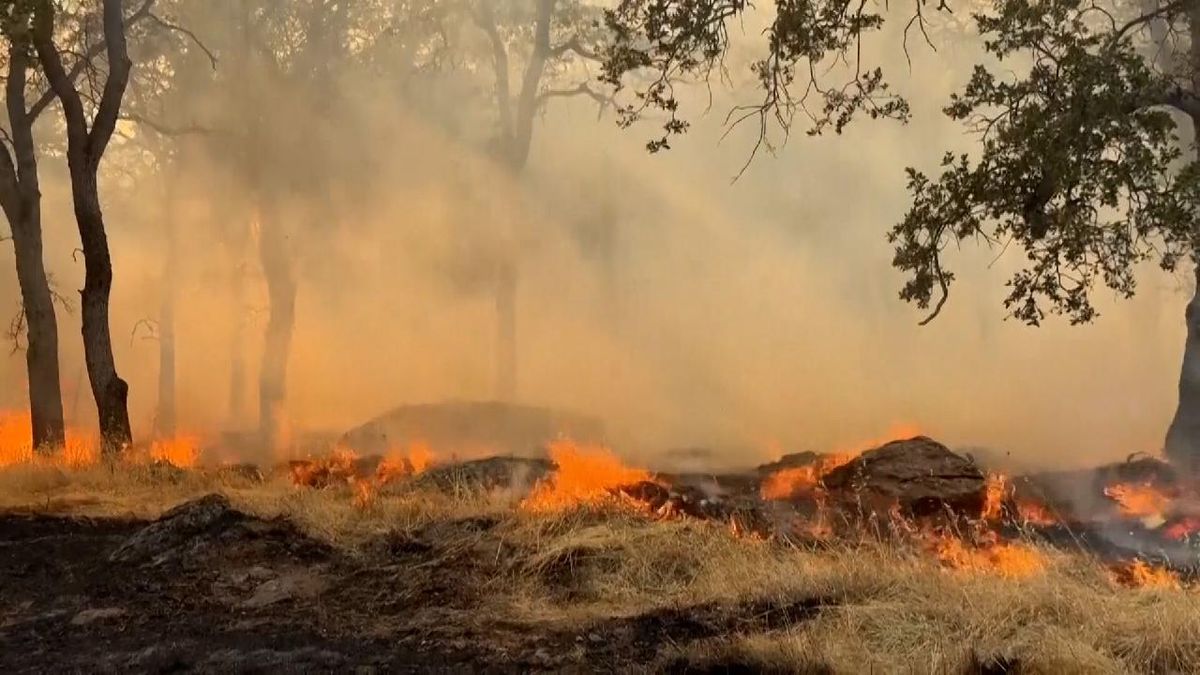
The Gann Fire in Calaveras County, California, has ravaged over 7,000 acres of land, prompting morning evacuations and destroying several structures. The Calaveras Sheriff's Office declared a local state of emergency late Tuesday, underscoring the severity of the situation.
The Gann Fire is not an isolated incident; it is part of a larger pattern of devastating wildfires that have plagued California in recent years. Climate change is a significant factor, as rising temperatures and changing precipitation patterns create conditions ripe for wildfires. However, the land management practices of the state and federal governments also play a crucial role. The accumulation of dead vegetation and the lack of prescribed burns have contributed to the severity of these fires. Furthermore, emergency preparedness and response efforts are often hindered by budget constraints and bureaucratic red tape.
The people most affected by the Gann Fire are the residents of Calaveras County, who have been forced to evacuate their homes and livelihoods. The displacement and trauma caused by these wildfires can have long-lasting effects on individuals and communities. Moreover, the economic impact of these fires is significant, with losses estimated in the millions of dollars. The environmental damage is also a concern, as wildfires release toxic pollutants into the air and water, posing a risk to public health.
What is often downplayed or omitted in the discussion of wildfires is the role of human activity in exacerbating the problem. The expansion of urban areas into wildland-urban interfaces (WUIs) increases the risk of wildfires, as human-started fires can quickly spread to surrounding vegetation. Additionally, the lack of investment in fire prevention and mitigation measures, such as prescribed burns and forest thinning, contributes to the severity of these fires. The influence of special interest groups, such as the timber industry, can also hinder efforts to implement effective land management practices.
As the situation in California continues to unfold, it is essential to monitor the response efforts of the state and federal governments. The allocation of resources, including funding and personnel, will be critical in determining the effectiveness of the response. Additionally, the implementation of long-term solutions, such as prescribed burns and forest thinning, will be necessary to mitigate the risk of future wildfires. The role of climate change in exacerbating wildfires will also be an important factor to watch, as it will require a coordinated effort to address the root causes of these devastating fires.
Editor's Note: The analysis is based on publicly available information and may not reflect the full complexity of the situation.
Source referenced: CGTN
This brief was synthesized by our Editorial Engine and reviewed by The Ground Narrative team.