TRENDING

Wednesday, 21 October 2026
----------------------
10 Jumada Al-Awwal 1448 AH
Prime Minister Andy Burnham's 'Number 10 North' initiative aims to decentralize UK governance and foster regional growth, but faces significant challenges regarding fiscal devolution and national unity. The move signals a strategic attempt to rebalance power away from London and address long-standing grievances in devolved nations and English regions.
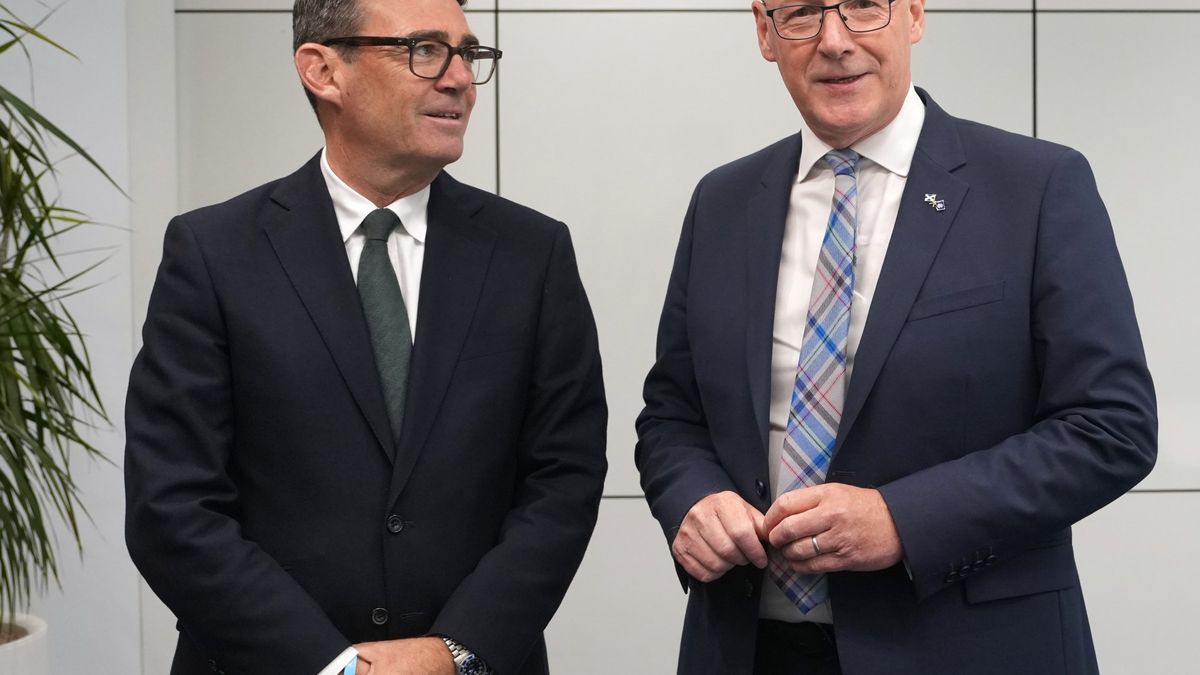
In a significant move marking the early days of his premiership, UK Prime Minister Andy Burnham has launched 'Number 10 North,' an initiative designed to shift elements of central government operations and policy focus away from London. On July 23, 2026, just four days into his term, Burnham bypassed Downing Street and Manchester – the designated home of Number 10 North – to hold his inaugural in-person meetings with Scotland's First Minister John Swinney and Wales' First Minister Rhun ap Iorwerth in Glasgow. This choice of location, ahead of the 2026 Commonwealth Games opening, underscored a deliberate message: a commitment to fostering growth "in every postcode across the whole of the UK."
Stripped of its political rhetoric, 'Number 10 North' is fundamentally a restructuring of governmental functions. A written ministerial statement on July 21, 2026, confirmed the relocation of devolution and local growth policy functions from the housing ministry and the Treasury to a new Manchester-based operation. This new entity will operate within a restructured Office for the Prime Minister and the Cabinet, led by Cabinet Secretary Dame Antonia Romeo. Its interim headquarters is Heron House in Manchester, with a planned move to the government's Digital Campus upon its completion in 2032. Caroline Simpson, former chief executive of the Greater Manchester Combined Authority, has been appointed Burnham's deputy chief of staff, overseeing day-to-day operations. Prime Minister Burnham himself has committed to working from Manchester "at least one day a week," emphasizing the initiative's strategic importance as "the nerve centre of a rewired Britain" and rejecting characterizations of it as merely symbolic.
Burnham's initiative is a multi-faceted strategic play with profound domestic geopolitical implications. Firstly, it represents a direct response to the UK's historically high degree of fiscal centralization, where approximately 95 percent of tax revenue flows directly to Whitehall, making it the most centralized G7 nation. By relocating policy functions and the Prime Minister's presence, Burnham aims to signal a genuine intent to empower regions and address the economic disparities that have long fueled regional discontent.
Secondly, the move is a clear attempt to bolster national unity and counter separatist sentiments, particularly in Scotland. Burnham's decision to meet with First Ministers in Glasgow and his explicit refusal to discuss a second Scottish independence referendum during these talks highlight a strategy to demonstrate Westminster's commitment to the entire UK, thereby undermining the narrative that London is indifferent to the needs of devolved nations. The planned wider UK tour in August, including Northern Ireland's First and Deputy First Ministers, further reinforces this message of inclusive governance.
Thirdly, the initiative seeks to define Burnham's premiership by a bold vision of decentralization and economic rebalancing. By positioning 'Number 10 North' as a "dominant driver of the UK’s economy," the government aims to shift investment and focus away from the traditional London-centric model, potentially fostering new economic hubs and reducing regional inequalities. This could have long-term effects on the UK's internal economic geography and social cohesion.
Despite its ambitious vision, 'Number 10 North' faces significant hurdles and has drawn criticism for its perceived limitations. Mirte Boot of the Institute for Public Policy Research (IPPR) North aptly describes it as establishing "the plumbing, but the water isn’t flowing yet." While the institutional architecture is taking shape, the crucial element of fiscal devolution – the transfer of money and tax-raising powers – remains largely unaddressed. The 2026 English Devolution and Community Empowerment Act expanded mayoral control over transport, planning, and housing, but left fiscal devolution to a separate Treasury "roadmap" due alongside the autumn budget. Critics, including Jonathan Carr-West of the Local Government Information Unit, warn that English councils are financially depleted, requiring a robust "vehicle" for the vision that is currently absent.
Reactions from the devolved nations underscore these concerns. Scotland's First Minister John Swinney dismissed the initiative as mere "rhetoric," reiterating his party's mandate for Scottish self-determination. Wales' First Minister Rhun ap Iorwerth, while more cooperative, cautioned against 'Number 10 North' becoming "Whitehall with a different postcode" and pressed for a new Wales Bill granting policing and justice powers, alongside a replacement for the Barnett Formula to ensure funding parity with Scotland. Even from the opposite political spectrum, Reform UK's Nigel Farage warned of potential internal conflict between a 'Number 10 South' and 'Number 10 North.'
The success of 'Number 10 North' will ultimately hinge on its ability to move beyond symbolic gestures and deliver genuine fiscal and political empowerment to the UK's regions and devolved nations. The initiative represents a significant strategic gamble for Prime Minister Burnham, testing whether a rewired administrative structure can fundamentally alter the UK's deeply ingrained centralizing tendencies. Public sentiment, as reflected by citizens in Manchester, ranges from skepticism about its longevity and cost to cautious optimism about the city's trajectory. The question remains whether this ambitious project will catalyze real growth and a more balanced UK, or if it will be perceived as another temporary political maneuver in a country that has seen frequent changes in leadership and policy direction. The coming years will reveal if 'Number 10 North' can truly become the "dominant driver" of a rewired Britain, or if it will merely change the postcode without fundamentally altering the politics.
Source referenced: ALJAZEERA
This brief was synthesized by our Editorial Engine and reviewed by The Ground Narrative team.


