TRENDING

Sunday, 1 November 2026
----------------------
21 Jumada Al-Awwal 1448 AH
Bulgarians headed to the polls on Oct. 25 to choose a new head of state, but the contest is as much about entrenched interests as it is about voter preference. The analysis uncovers who wields the levers of power, who bears the cost, and what to watch next.
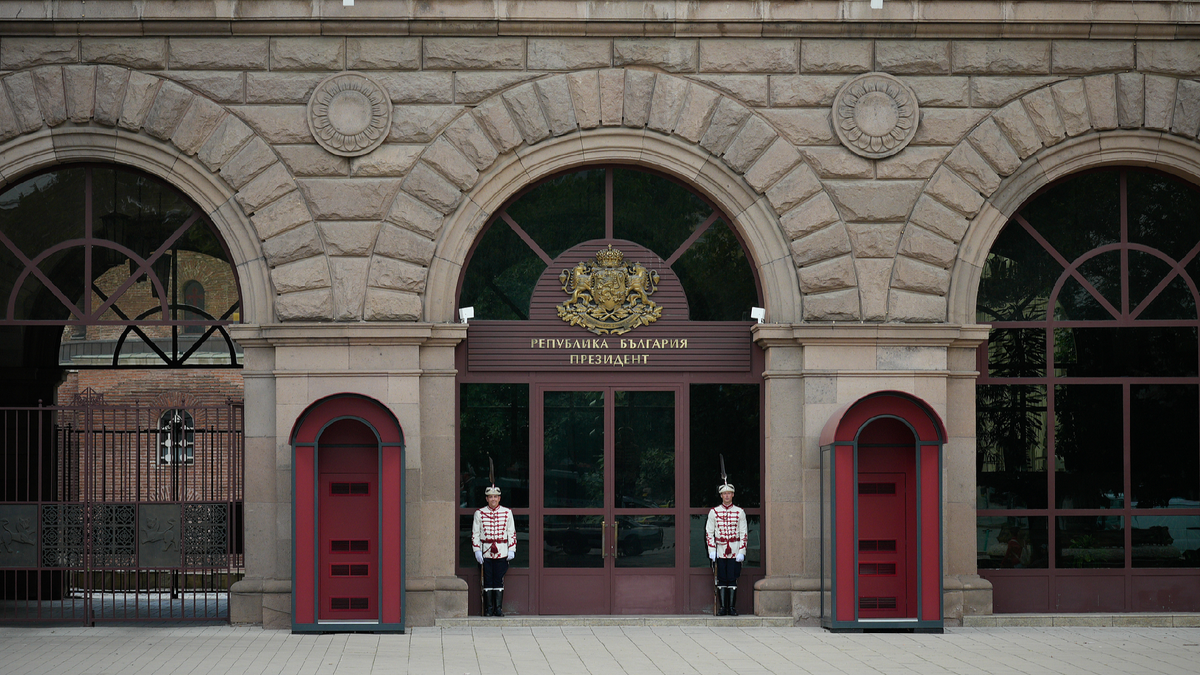
Bulgarians went to the polls on Sunday, Oct. 25, to elect a president for a five‑year term. Six point five million eligible voters could choose from 27 candidates, including incumbent Iliana Iotova, who is seeking a second term. Polling stations opened at 7:00 a.m. and closed at 8:00 p.m., with exit polls expected immediately and official results due by Tuesday evening.
Bulgaria’s post‑communist party system remains fragmented, with the centre‑right GERB coalition, the centre‑left Bulgarian Socialist Party (BSP), and a slew of regional and populist outfits fielding candidates. While the president’s formal powers are limited—largely ceremonial, with authority over the armed forces and foreign representation—the office carries significant soft power, especially in shaping EU negotiations and domestic legitimacy.
The election law requires a 50 % turnout for a first‑round victory, a threshold that historically forces a runoff. Parties therefore calibrate their campaigns to mobilise core bases while avoiding polarising rhetoric that could depress turnout. Incumbent Iotova’s campaign leans on continuity, promising stability for EU funds and NATO commitments, while opposition figures pitch anti‑corruption narratives aimed at the country’s entrenched oligarchic networks.
European Union funding accounts for roughly 30 % of Bulgaria’s budget, making EU compliance a decisive factor for any president. Simultaneously, Russia maintains a covert influence through energy contracts and media outlets, seeking to keep Bulgaria within its geopolitical orbit. Both external actors quietly lobby candidates, offering promises of trade concessions or media access in exchange for favorable policy stances.
Bulgaria’s economy is still grappling with low wages, an aging workforce, and a brain‑drain of young professionals to Western Europe. A president who can secure additional EU cohesion funds or negotiate better energy terms with Russia could tilt the balance of power toward their backers. Consequently, campaign financing often flows from business conglomerates with stakes in construction, tourism, and energy, blurring the line between public service and private profit.
Rural municipalities, where agricultural subsidies and infrastructure projects are lifelines, face the brunt of political neglect when turnout falls below the 50 % threshold. Low participation can invalidate the first round, extending the electoral calendar and increasing campaign spending—costs ultimately borne by taxpayers already struggling with stagnant incomes.
The Roma population, comprising about 8 % of Bulgaria’s residents, remains under‑represented in political structures. Election promises rarely address their housing, education, or employment gaps, leaving them vulnerable to continued marginalisation regardless of the winner.
Over 300,000 Bulgarians live abroad, primarily in Germany, Spain, and the UK. While they can vote at consulates, logistical hurdles and limited outreach mean many are effectively excluded, weakening a demographic that historically leans toward pro‑EU candidates.
If the election triggers a runoff, campaign financing will surge, inflating public spending on advertising, rallies, and security. Inflationary pressures could rise, eroding real wages for factory workers in Sofia and the industrial heartland of Plovdiv.
Official statements downplay the scale of foreign‑linked donations to campaign coffers. Investigative reports suggest that Russian‑affiliated NGOs and EU‑backed think‑tanks have funneled modest sums to candidates whose platforms align with their strategic interests, a detail largely absent from mainstream coverage.
A handful of media conglomerates, many with ties to former communist‑era businessmen, dominate television and print. Their editorial lines subtly favour candidates who promise to protect their commercial interests, yet the narrative of a “free press” is repeatedly broadcast without scrutiny of ownership structures.
Bulgaria’s post‑communist oligarchs control significant portions of the construction and energy sectors. Their influence manifests in back‑room meetings where policy concessions—such as relaxed licensing for mining projects—are exchanged for campaign support. This quid‑pro‑quo is rarely mentioned in official candidate platforms.
With a population shrinkage of roughly 1 % per year, the country faces a looming labor shortage. Politicians skirt discussions about long‑term strategies—like incentivising higher birth rates or attracting skilled migrants—focusing instead on short‑term electoral gains.
- Runoff dynamics: If no candidate clears the 50 % threshold, the second round will pit the top two contenders against each other, likely sharpening anti‑establishment rhetoric and testing coalition resilience.
- EU funding negotiations: Watch for statements from the European Commission on pre‑emptive disbursements; a president who secures early funds can claim a mandate for continued EU integration.
- Energy policy shifts: Any overtures toward Russian gas contracts or diversification projects will signal which external power bloc the new president leans toward.
- Civil society mobilisation: NGOs focused on electoral transparency are planning watchdog missions during the runoff. Their ability to expose irregularities could shape public trust in the outcome.
- Diaspora voting patterns: Increased turnout among overseas Bulgarians could tip the balance in a tight runoff, especially if pro‑EU candidates mobilise this bloc effectively.
By tracking these threads, readers can gauge whether the election will reinforce existing power structures or open a window for genuine reform that benefits ordinary Bulgarians.
Pre‑election polls indicate turnout will stay below the 50 % threshold and no candidate is projected to exceed 50 % of votes, making a runoff highly probable.
Both the European Union and Russia have vested interests in Bulgaria's foreign policy. They subtly support candidates through funding, media access, and diplomatic signals, which can sway voter perception and policy promises.
Source referenced: CGTN
This brief was synthesized by our Editorial Engine and reviewed by The Ground Narrative team.