TRENDING

Sunday, 25 October 2026
----------------------
14 Jumada Al-Awwal 1448 AH
Bulgaria's new government has announced it will cease providing arms to Ukraine, citing a need for a 'just peace' between Moscow and Kyiv. This policy shift has significant implications for regional stability and NATO's efforts to counter Russian aggression.
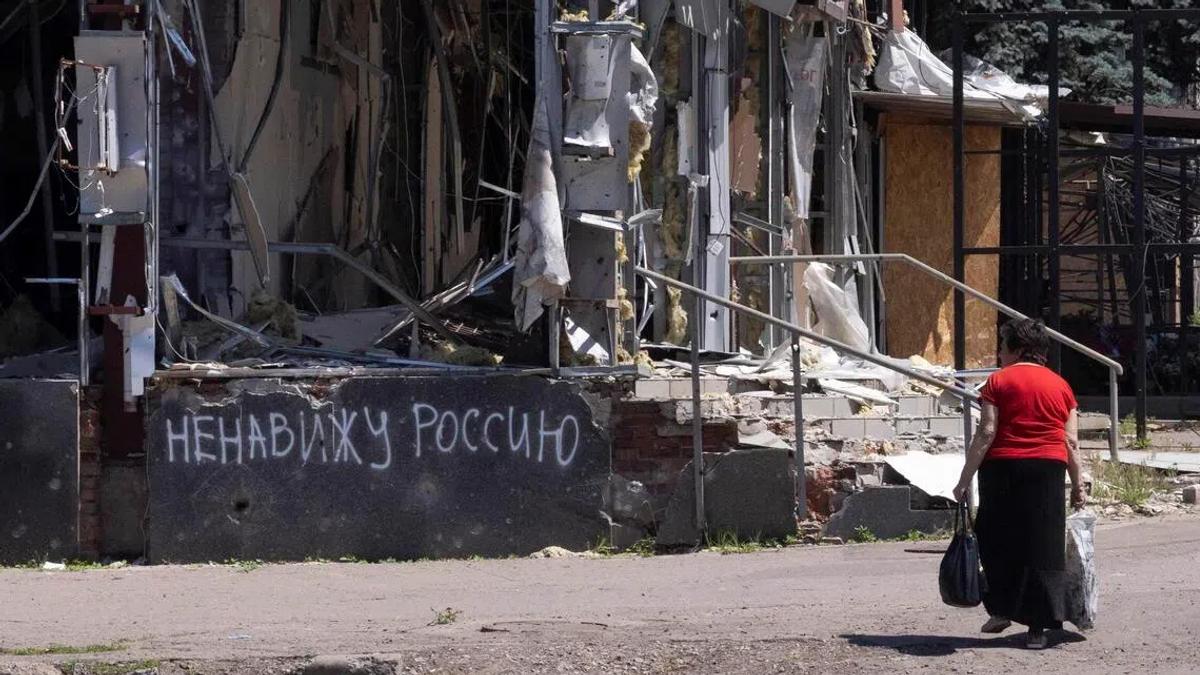
Bulgaria's newly appointed defence minister, Dimitar Stoyanov, has announced that his country will no longer provide arms to Ukraine. This policy shift has significant implications for regional stability and NATO's efforts to counter Russian aggression.
Bulgaria, a NATO and European Union member state, has a strategic position on the Black Sea. In 2024 and 2025, Bulgaria sent Ukraine military aid, including anti-tank missiles, armoured vehicles, mortars, anti-aircraft guns, and howitzers. This change in policy course was a significant departure from Bulgaria's previous stance, where it exported weapons and ammunition to mostly European intermediaries in 2022 and 2023.
The new Bulgarian government, led by former president Rumen Radev, has pledged to follow pro-EU policies. However, Radev's pro-Russian stance in the past raises questions about the motivations behind this policy shift. It is possible that Bulgaria is seeking to balance its relationships with both Russia and the West, particularly given its strategic position on the Black Sea.
Bulgaria's decision to cease providing arms to Ukraine has significant implications for regional stability. Ukraine, which has been fighting a protracted war against Russian-backed separatists, will likely be disappointed by this decision. The 10-year security pact signed between Bulgaria and Ukraine in March, covering joint defence, intelligence, and an energy corridor, may also be impacted by this policy shift.
The consequences of Bulgaria's policy shift will depend on various factors, including the response from Ukraine and Russia. If Ukraine is unable to secure alternative sources of military aid, it may be forced to negotiate a settlement with Russia, potentially on unfavorable terms. On the other hand, if Russia sees Bulgaria's decision as a sign of weakness, it may escalate its aggression in the region.
Bulgaria's decision to cease providing arms to Ukraine is a significant development in the region. While the motivations behind this policy shift are unclear, it is likely that Bulgaria is seeking to balance its relationships with both Russia and the West. The implications of this decision will depend on various factors, including the response from Ukraine and Russia. However, one thing is clear: regional stability is at risk, and the consequences of this policy shift will be far-reaching.
Bulgaria's shift on Ukraine aid is a significant development in the region. As the situation continues to unfold, it is essential to monitor the implications of this policy shift and its potential consequences for regional stability. The international community, including NATO and the EU, must be prepared to respond to this development and ensure that regional stability is maintained.
Source referenced: STRAITSTIMES
This brief was synthesized by our Editorial Engine and reviewed by The Ground Narrative team.


