TRENDING

Monday, 5 October 2026
----------------------
24 Rabi' Al-Thani 1448 AH
A proposed social media curfew for British teenagers has been met with resistance, with 85% of 16-18 year olds planning to opt out. The move aims to reduce online harms, but its effectiveness is uncertain. As governments worldwide grapple with regulating social media, the human cost of these decisions will be felt by the youngest users.
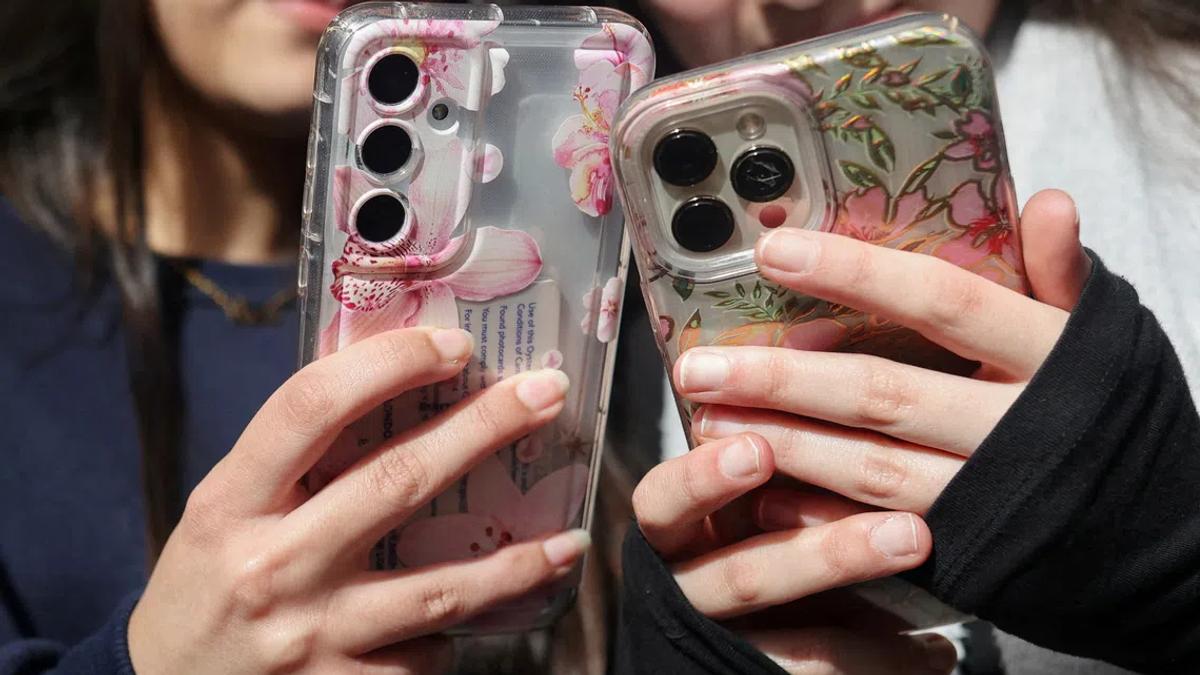
The British government has proposed a social media curfew for teenagers aged 16 and 17, aiming to reduce online harms by restricting access to social media sites between midnight and 6am. However, a recent poll shows that 85% of teenagers in this age group plan to opt out of the curfew, citing the need to stay connected with friends and watch online content.
The British government's move is part of a broader trend of governments worldwide attempting to regulate social media and mitigate its potential harms. The decision to introduce a curfew is driven by concerns over the impact of social media on mental health, sleep patterns, and online safety. However, the fact that the curfew is voluntary and can be easily disabled by teenagers highlights the challenges of enforcing such regulations. The government's willingness to reconsider the voluntary nature of the curfew if many teenagers opt out suggests that they are aware of the potential limitations of their approach.
The human cost of the proposed curfew will be felt by the teenagers themselves, who will be forced to navigate the complexities of social media regulation. The fact that 18% of teenagers polled consume social media content until 1am or later suggests that the curfew may not be effective in reducing online harms. Furthermore, the curfew may disproportionately affect certain groups, such as teenagers who rely on social media for social support or those who use it for educational purposes. The potential consequences of the curfew on these groups must be carefully considered.
What is being downplayed in the discussion around the social media curfew is the role of social media companies themselves in perpetuating online harms. While governments focus on regulating user behavior, the algorithms and design choices made by social media companies can contribute to the very problems they are trying to solve. The fact that Australia's similar ban has seen mixed results suggests that a more nuanced approach may be needed, one that takes into account the complex interplay between social media companies, governments, and users.
As the British government considers revising the voluntary nature of the curfew, readers should watch for how social media companies respond to these developments. Will they take steps to self-regulate and mitigate online harms, or will they resist government intervention? Additionally, the impact of the curfew on different groups of teenagers must be closely monitored, and the government should be prepared to adjust its approach based on the evidence. Ultimately, the effectiveness of the curfew will depend on a nuanced understanding of the complex power dynamics at play in the world of social media.
Editor's Note: The analysis is based on a recent poll and may not reflect the views of all British teenagers. Further research is needed to fully understand the potential impact of the social media curfew.
Source referenced: STRAITSTIMES
This brief was synthesized by our Editorial Engine and reviewed by The Ground Narrative team.


