TRENDING

Sunday, 25 October 2026
----------------------
14 Jumada Al-Awwal 1448 AH
Brazil has denied entry to two senior officials from the former Trump administration, citing concerns over attempts to undermine its upcoming presidential election. The move underscores Brazil's assertive stance in safeguarding its democratic institutions amidst a sensitive electoral period and historical ties between the Bolsonaro and Trump camps.
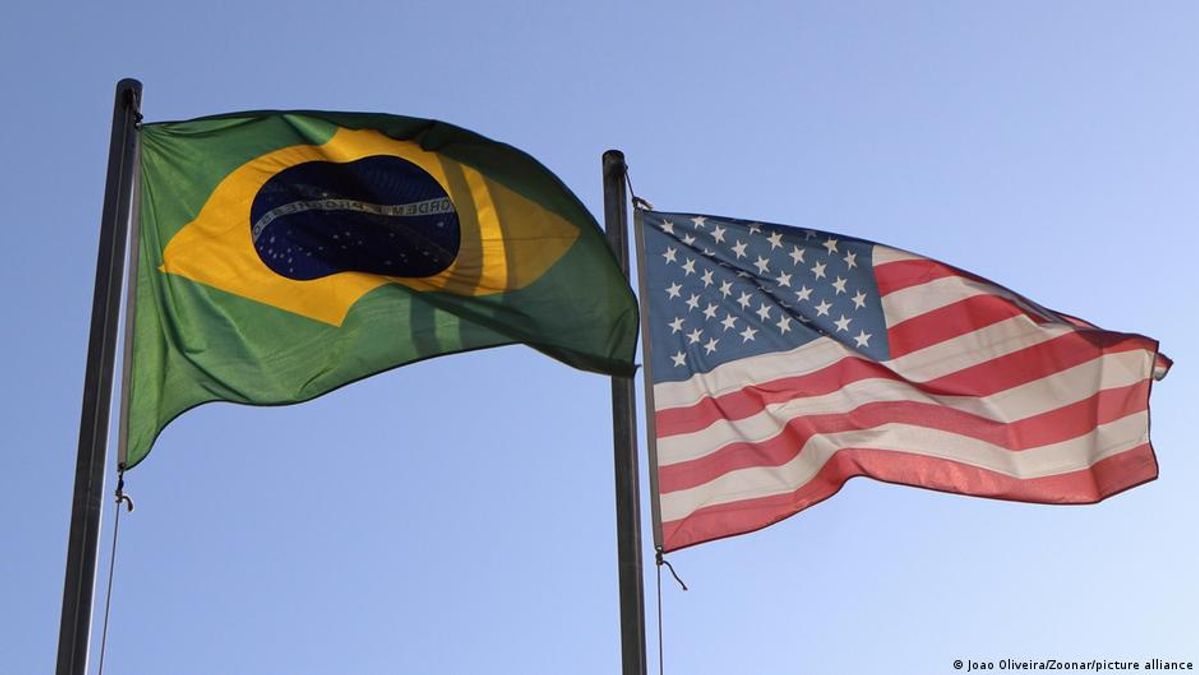
Brazil has taken a decisive diplomatic step by denying visas to two senior officials from former U.S. President Donald Trump's administration, citing concerns over potential interference in its upcoming October presidential election. The rejection of the visa requests for Assistant Secretary Riley M. Barnes and Deputy Assistant Secretary Samuel Samson, both from the U.S. State Department's Bureau of Democracy, Human Rights, and Labor during the Trump era, signals a firm stance by Brasília to protect its electoral sovereignty.
According to a spokesperson for Brazil's foreign office, the visa requests, submitted on July 20 for a planned visit between July 27 and 30, were rejected on Friday. Brazilian officials, as reported by Reuters and The Washington Post, indicated that the denial was based on "evidence pointing to a renewed attempt to politically exploit the situation and undermine the electoral system." They further described the planned visit as a "ploy" that was "completely incompatible with Brazilian democracy." This strong language highlights Brazil's perception of the visit as a potential threat to the legitimacy of its electoral process, rather than a routine diplomatic engagement.
In response, the U.S. State Department stated that Barnes and Samson had intended to visit Brasília to discuss "election integrity," religious freedom, and freedom of expression with various government officials and religious leaders. The department characterized the planned visit as routine and dismissed any insinuation of a "ploy" to undermine a democratic nation's election as a "baseless lie." This divergence in narratives underscores the diplomatic tension surrounding the incident, with each side presenting a contrasting interpretation of the visit's purpose and implications.
The denial of visas occurs as Brazil gears up for its presidential election in October, a contest that pits incumbent President Luiz Inacio Lula da Silva against Flavio Bolsonaro, the son of former President Jair Bolsonaro. This election is particularly sensitive given the recent political history of Brazil. Jair Bolsonaro, often dubbed the "Trump of the Tropics" due to his ideological alignment and personal friendship with Donald Trump, made unsubstantiated allegations of fraud regarding Brazil's electronic voting system after his defeat to Lula in the 2022 election. These claims culminated in a plot to overturn the election results, for which he is now serving a 27-year sentence under house arrest. Flavio Bolsonaro has recently echoed some of his father's claims, further fueling concerns about the potential for election denialism.
The deep ties between the Bolsonaro family and the Trump administration are central to understanding Brazil's apprehension. Jair Bolsonaro was a staunch ally of Donald Trump, and their political styles and rhetoric often mirrored each other. Following Trump's 2020 election loss, Bolsonaro was one of the last world leaders to acknowledge President Biden's victory. More recently, in May, Flavio and his brother Eduardo visited U.S. officials in Washington, including Donald Trump himself. Trump has also publicly criticized Jair Bolsonaro's trial, labeling it a "witch hunt." This history of mutual support and shared rhetoric, particularly concerning election integrity, likely informed Brazil's decision to deny entry to officials associated with the former Trump administration, viewing their presence as potentially legitimizing or amplifying the Bolsonaro campaign's challenges to the electoral system.
Brazil's assertive action carries significant strategic implications. Firstly, it represents a robust defense of national sovereignty and the integrity of its democratic institutions. By rejecting the visas, Brazil is signaling its unwillingness to tolerate perceived external attempts to influence or cast doubt on its electoral process, especially given the recent history of political instability and attempted coups. This move could serve as a precedent for other nations facing similar challenges from external actors or domestic factions seeking to undermine democratic norms.
Secondly, the incident highlights the ongoing global challenge of combating disinformation and election interference. In an era where allegations of electoral fraud can destabilize democracies, Brazil's proactive measure underscores the importance of safeguarding the public's trust in electoral outcomes. The timing of the visit, ahead of a highly polarized election, naturally raised suspicions in Brasília, particularly given the specific individuals involved and their past associations.
Finally, while the current U.S. administration distanced itself from the officials' planned visit, the incident could strain future diplomatic relations between Brazil and a potential future Trump administration. Brazil's firm stance, though aimed at protecting its internal affairs, inevitably carries geopolitical weight, reflecting a broader global trend where nations are increasingly vigilant against perceived foreign meddling in their domestic political processes. This event underscores the complex interplay between domestic politics, international relations, and the enduring struggle to uphold democratic principles in a volatile global landscape.
Source referenced: DW
This brief was synthesized by our Editorial Engine and reviewed by The Ground Narrative team.