TRENDING

Monday, 5 October 2026
----------------------
24 Rabi' Al-Thani 1448 AH
The recent escalation of clashes between Russia and Ukraine near the Black Sea has resulted in significant human casualties, with seven people killed and at least 40 others injured. As the conflict widens, the impact on local populations and the global geopolitical landscape is becoming increasingly pronounced.
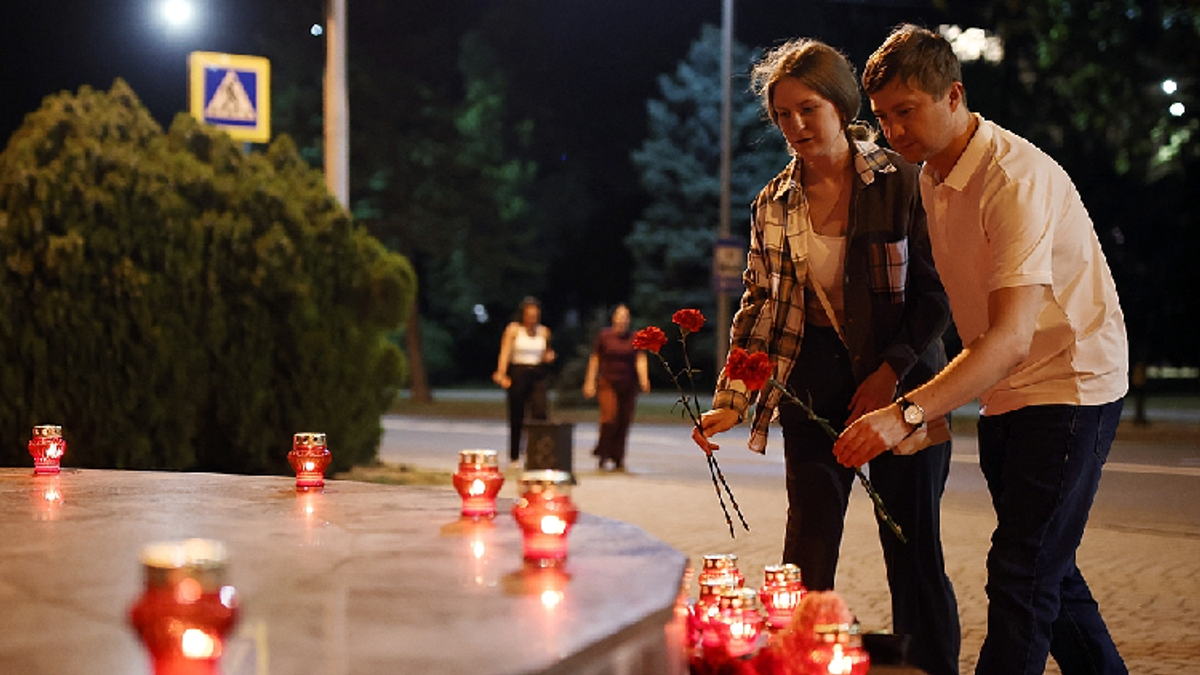
The conflict between Russia and Ukraine has escalated significantly near the Black Sea, with Ukrainian drones targeting Russian resort areas and Russia striking Ukrainian vessels transporting military supplies. The most recent incident involved a Ukrainian drone attack on the Black Sea resort village of Arkhipo-Osipovka in Russia's Krasnodar region, resulting in seven fatalities, including three children, and at least 40 injuries.
The escalation of hostilities near the Black Sea is a manifestation of the broader geopolitical tensions between Russia and Ukraine, fueled by competing interests and alliances. Russia's control over the Black Sea is crucial for its naval power and access to the Mediterranean, while Ukraine seeks to maintain its sovereignty and territorial integrity. The involvement of other global powers, such as the United States and European nations, further complicates the situation, as they provide military and economic support to Ukraine. The Black Sea has become a critical flashpoint in the conflict, with both sides seeking to assert their dominance and protect their interests.
The human cost of the escalating conflict is substantial, with local populations bearing the brunt of the violence. The attack on Arkhipo-Osipovka, a resort village, highlights the indiscriminate nature of the conflict, where civilians, including children, are caught in the crossfire. The trauma and suffering inflicted on these communities will have long-lasting effects, exacerbating the humanitarian crisis in the region. Furthermore, the conflict's impact on the regional economy, particularly the tourism sector, will be significant, leading to widespread unemployment and economic hardship.
While the official narrative focuses on the military aspects of the conflict, the role of external actors in fueling the escalation is often downplayed. The provision of military aid to Ukraine by Western powers, for instance, has contributed to the intensification of the conflict, as Russia perceives this as a threat to its national security. Additionally, the environmental impact of the conflict, including the risk of oil spills and pollution in the Black Sea, is rarely discussed. As the conflict widens, the potential for catastrophic environmental damage increases, posing a significant threat to the region's ecosystem and the global community.
As the situation continues to deteriorate, it is essential to monitor the responses of external actors, including the United States, European nations, and other global powers. Their actions, or lack thereof, will significantly influence the trajectory of the conflict. Furthermore, the humanitarian situation in the region will require close attention, as the conflict's human cost continues to mount. The international community must prioritize diplomatic efforts to resolve the conflict peacefully, while also addressing the urgent humanitarian needs of the affected populations.
Editor's Note: The analysis is based on publicly available information and may not reflect the complete complexity of the situation on the ground.
Source referenced: CGTN
This brief was synthesized by our Editorial Engine and reviewed by The Ground Narrative team.