TRENDING

Thursday, 15 October 2026
----------------------
4 Jumada Al-Awwal 1448 AH
A severe measles outbreak in Bangladesh has claimed over 500 lives, predominantly children, exposing critical vulnerabilities in public health infrastructure and vaccine coverage. This crisis underscores the complex interplay of public health, development challenges, and international cooperation in a densely populated South Asian nation.
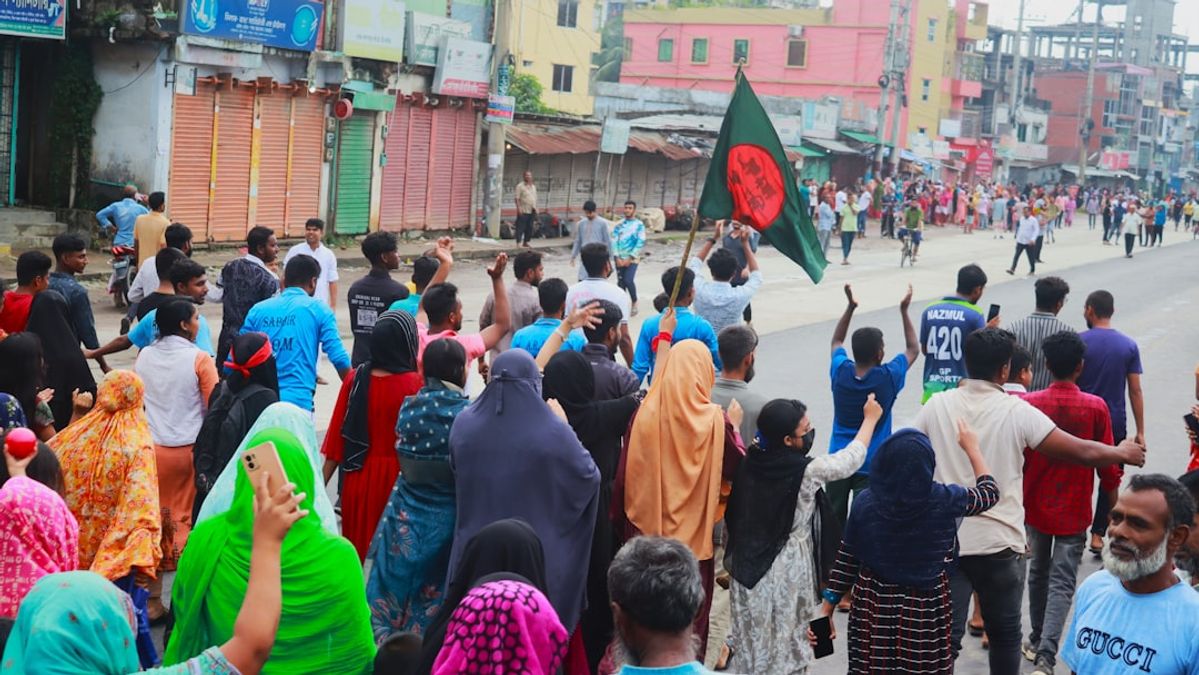
A severe measles outbreak in Bangladesh has claimed the lives of more than 500 people, predominantly children, as reported on May 28, 2026. This tragic development underscores critical vulnerabilities within the nation's public health infrastructure and highlights the persistent global challenge of preventable diseases. The Bangladeshi government is currently engaged in an urgent effort to vaccinate more children, signaling a scramble to contain a rapidly escalating health emergency with significant geopolitical and socio-economic implications.
The death toll of over 500 individuals, primarily young children, signifies a major public health catastrophe. Measles, a highly contagious viral disease, can lead to severe complications such as pneumonia, encephalitis, and permanent disability, particularly in malnourished children or those with compromised immune systems. The rapid spread and high mortality rate suggest substantial gaps in routine immunization programs, which are essential for achieving herd immunity and preventing large-scale outbreaks. The disproportionate impact on children highlights the vulnerability of the youngest populations to such health crises, with long-term consequences for societal development and future productivity.
Bangladesh, a densely populated country, faces inherent challenges in delivering comprehensive healthcare services across its diverse geography, encompassing bustling urban centers, remote rural areas, and extensive refugee camps. The government's urgent push to vaccinate more children indicates that the outbreak likely stems from a decline in overall vaccination rates. Several factors could contribute to such a decline:
* Disruptions to Routine Immunization: Past global health events, such as the COVID-19 pandemic, or frequent natural disasters common in the region, can divert resources, disrupt vaccine supply chains, and impede the consistent delivery of essential health services.
* Vaccine Hesitancy and Misinformation: A lack of trust in health authorities or the spread of misinformation can lead to lower vaccine uptake among communities, creating pockets of unvaccinated individuals susceptible to outbreaks.
* Access Barriers: Geographic isolation, poverty, and inadequate healthcare infrastructure can prevent vulnerable populations from accessing life-saving vaccines. This is particularly acute in remote areas or among marginalized communities.
* Demographic Pressures: A large and growing birth cohort can strain existing vaccination capacities if not adequately planned for and resourced.
* Refugee Populations: Bangladesh hosts nearly a million Rohingya refugees in crowded camps, where disease transmission risks are exceptionally high. Maintaining consistent vaccination coverage in these densely populated, often transient communities is a continuous challenge, and an outbreak within these camps could rapidly exacerbate the national crisis.
The Bangladeshi government's urgent efforts to accelerate child vaccination campaigns represent a critical immediate response to the crisis. However, containing such a widespread outbreak demands substantial resources, including a steady supply of vaccines, trained health personnel, robust cold chain logistics, and effective public awareness campaigns. This situation invariably necessitates significant international support.
Global health organizations such as the World Health Organization (WHO), UNICEF, and Gavi, the Vaccine Alliance, are likely providing crucial technical assistance, vaccine procurement, and logistical support to bolster Bangladesh's response. This international collaboration is vital not only for humanitarian reasons but also for broader global health security, as uncontrolled outbreaks can pose risks that extend far beyond national borders.
This measles outbreak is more than a localized health emergency; it carries significant geopolitical, economic, and social dimensions:
* Strain on National Development: A major health crisis diverts substantial national resources from other critical development priorities, potentially impacting economic growth, educational attainment, and overall social progress. The long-term health consequences for survivors and the strain on the healthcare system can have lasting socio-economic repercussions.
* Regional Health Security: Given Bangladesh's shared borders with India and Myanmar, an uncontrolled outbreak raises concerns about potential cross-border transmission, underscoring the interconnectedness of public health in South Asia. This could necessitate coordinated regional health responses and surveillance.
* Diplomatic Engagement: The need for international aid and collaboration can become a focal point for diplomatic engagement, potentially strengthening or testing bilateral and multilateral relationships. Effective management of the crisis can enhance Bangladesh's standing as a responsible global health actor, while failures could draw international scrutiny.
* Vulnerability of Marginalized Groups: The disproportionate impact on children and potentially on refugee populations highlights the persistent vulnerability of marginalized groups to public health crises, often exacerbated by socio-economic disparities and limited access to essential services.
* Global Health Agenda: The outbreak serves as a stark reminder of the fragility of progress in eradicating preventable diseases and the critical importance of sustained investment in routine immunization programs worldwide. It reinforces the global health community's focus on strengthening primary healthcare and achieving universal health coverage.
The measles outbreak in Bangladesh is a complex challenge that underscores the critical importance of robust public health systems, equitable vaccine access, and sustained international cooperation to safeguard global health security. The ongoing efforts to vaccinate children are crucial for immediate containment, but the crisis also calls for a deeper examination of systemic vulnerabilities to prevent future outbreaks of this scale. Addressing these underlying issues is essential to ensure that preventable diseases do not reverse hard-won development gains and to protect the most vulnerable populations globally.
Source referenced: NPR
This brief was synthesized by our Editorial Engine and reviewed by The Ground Narrative team.


