TRENDING

Wednesday, 21 October 2026
----------------------
10 Jumada Al-Awwal 1448 AH
U.S. Secretary of Defense Pete Hegseth faced interruption from anti-war protesters during a Senate hearing on a supplemental budget request, highlighting public dissent over military spending. This incident underscores the ongoing tension between executive foreign policy initiatives and domestic public sentiment regarding potential or ongoing conflicts.
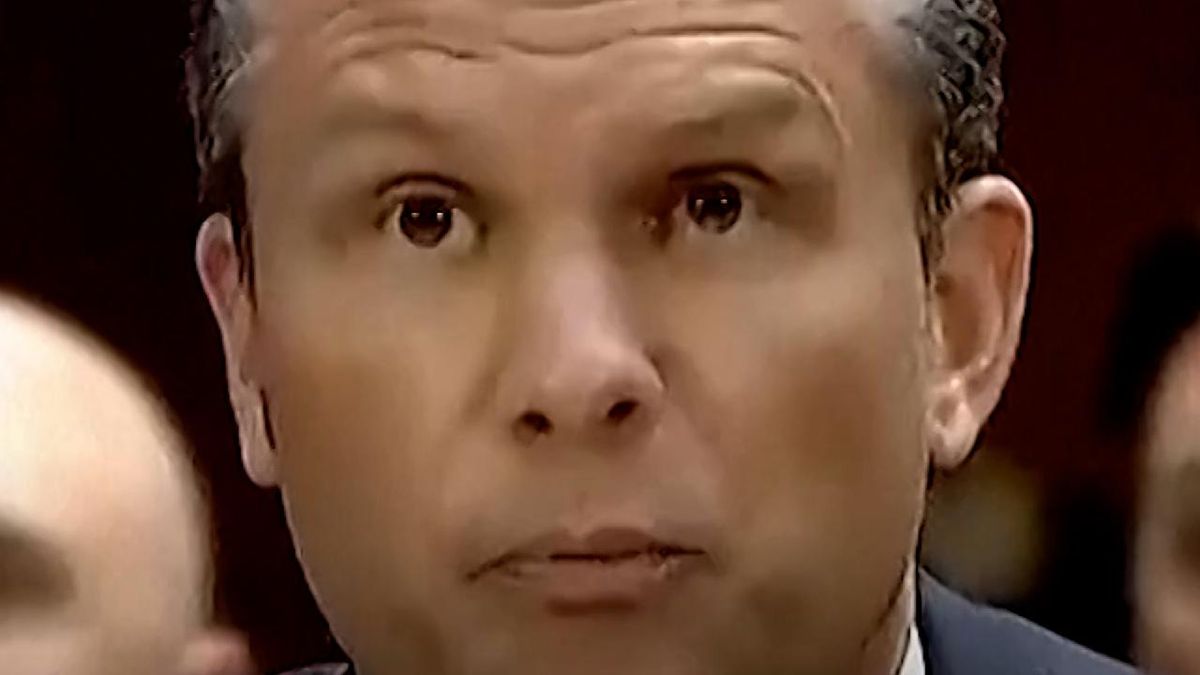
The U.S. political landscape witnessed a notable moment of public dissent when Secretary of Defense Pete Hegseth was interrupted by anti-war protesters during a Senate hearing on a White House supplemental budget request. The incident occurred on Tuesday, July 21, 2026, within the halls of the U.S. Congress, underscoring the persistent tension between executive foreign policy initiatives and domestic public sentiment regarding military engagements.
The hearing itself was convened to discuss a supplemental budget request from the White House. Such requests are typically made outside the regular annual appropriations process, often in response to unforeseen circumstances, ongoing military operations, or urgent national security needs. They represent a critical mechanism through which the executive branch seeks additional funding for defense, humanitarian aid, or other strategic objectives. For the legislative branch, particularly the Senate, these hearings serve as a vital platform for congressional oversight, allowing lawmakers to scrutinize the administration's spending priorities, question strategic rationales, and ensure accountability. The presence of the Secretary of Defense, a key architect and implementer of U.S. military policy, highlights the gravity of the discussions surrounding the allocation of significant national resources.
The interruption by anti-war protesters is more than a mere procedural disruption; it is a potent symbol of public opposition to specific or general military actions and the associated financial commitments. While the article does not specify the particular conflict or policy driving the protests, the term "anti-war" broadly encompasses concerns over military interventions, the human and economic costs of conflict, and the perceived overreach of military power. Historically, anti-war movements have played a significant role in shaping U.S. foreign policy, from the Vietnam War era to protests against the Iraq War. These movements often reflect a segment of the populace that questions the necessity, morality, or efficacy of military solutions to international problems, advocating instead for diplomatic or non-military approaches.
Such public demonstrations, especially within the formal setting of a congressional hearing, serve several critical functions. They aim to:
* Raise Public Awareness: Draw media attention to their cause and galvanize broader public support.
* Influence Policy Makers: Directly confront officials and legislators, attempting to sway their decisions on military spending and foreign policy.
* Signal Dissent: Communicate to both domestic and international audiences that there is not monolithic support for the government's military posture.
The incident carries both domestic and geopolitical implications. Domestically, it underscores the enduring right to protest and the vibrant, often contentious, nature of democratic discourse in the United States. It also highlights the challenges faced by any administration in balancing national security imperatives with public opinion, particularly when those imperatives involve military action and significant financial outlay. For the White House and the Department of Defense, such protests signal potential political headwinds for their foreign policy agenda, especially if the supplemental budget request is tied to an unpopular or controversial military engagement.
From a geopolitical perspective, public dissent against military spending or specific conflicts can be interpreted in various ways by international actors. Allies might view it as a sign of a healthy democracy, but also potentially as an indicator of wavering domestic resolve, which could complicate coalition-building or burden-sharing discussions. Adversaries, conversely, might perceive such protests as a sign of internal weakness or division, potentially emboldening them to test U.S. resolve or exploit perceived vulnerabilities. The U.S. global leadership role is intrinsically linked to its ability to project both military strength and domestic unity; visible public divisions, while a feature of democracy, can sometimes complicate this projection.
The interruption of Secretary Hegseth's testimony serves as a reminder that public scrutiny of military policy and defense spending remains intense. As the U.S. continues to navigate a complex global security environment, characterized by evolving threats and strategic competition, the interplay between executive decision-making, legislative oversight, and public opinion will remain a critical factor. Future debates over defense budgets and military engagements are likely to continue to be arenas for robust public discourse, with anti-war sentiments potentially gaining traction if the perceived costs or strategic benefits of U.S. military involvement become contentious. The administration will need to carefully articulate the rationale behind its supplemental budget requests and foreign policy decisions to mitigate public opposition and secure necessary congressional support.
Editor's Note: The specific nature of the 'anti-war' sentiment and the details of the 'supplemental budget request' are not provided in the source article, limiting the depth of analysis on the precise geopolitical context of the proposed military action.
Source referenced: CGTN
This brief was synthesized by our Editorial Engine and reviewed by The Ground Narrative team.