TRENDING

Monday, 19 October 2026
----------------------
8 Jumada Al-Awwal 1448 AH
Andy Burnham has officially assumed the role of UK Prime Minister, signaling a significant shift towards decentralizing power and rebalancing the national economy. His agenda, forged during his tenure as Mayor of Greater Manchester, aims to empower regions and address cost-of-living pressures.
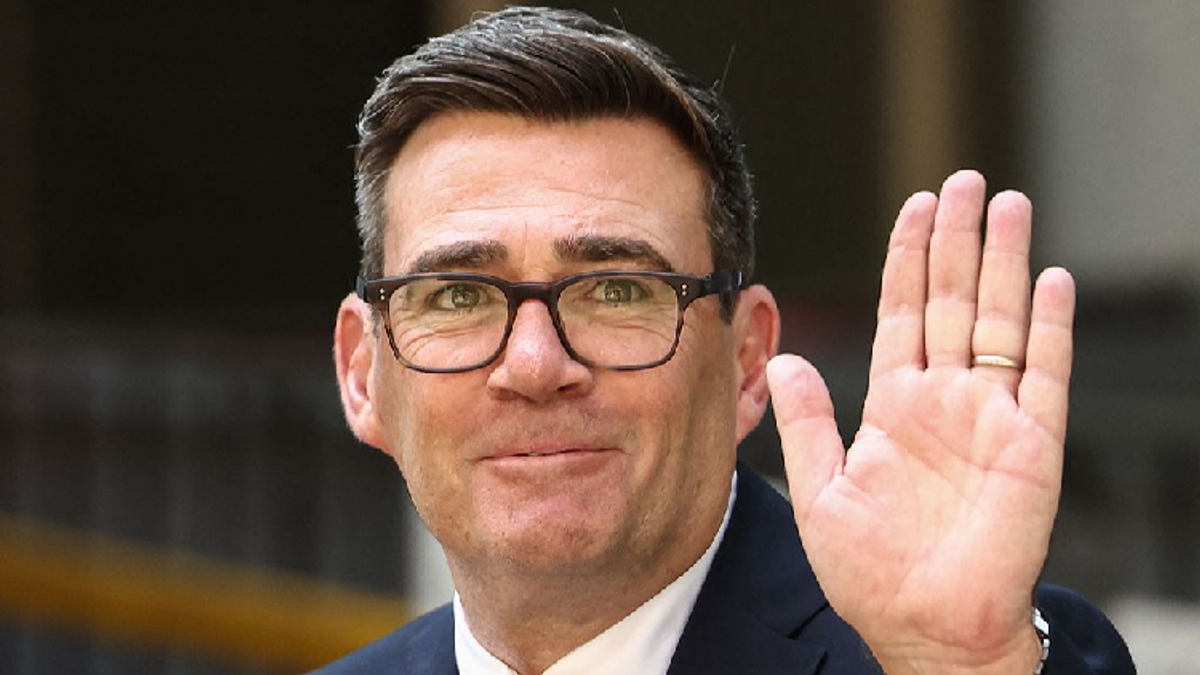
On Monday, July 20, 2026, Andy Burnham officially became the Prime Minister of the United Kingdom, marking a pivotal moment in British politics. His ascent to the nation's highest office follows a distinguished career, transitioning from a Westminster insider to a highly popular and effective Mayor of Greater Manchester, a role that earned him the moniker "King of the North." Burnham's premiership is poised to introduce a transformative agenda focused on decentralizing power, strengthening regional economies, and fundamentally "rewiring" the British state.
Burnham's political identity and policy blueprint were significantly shaped by his nine years leading Greater Manchester. After entering Parliament in 2001 and serving in various senior government roles, including Secretary of State for Health, he departed Westminster in 2017 to become the first elected mayor of Greater Manchester. It was in this local government capacity that he cultivated what has been termed "Manchesterism" or "Burnhamism" – an approach characterized by "business-friendly socialism."
During his mayoral tenure, Greater Manchester became a leading example of successful devolution, receiving greater powers and resources from the central government. Burnham's focus on improving transport infrastructure, expanding urban housing, and investing in new industries, particularly knowledge-based growth, yielded tangible results. The region attracted substantial investment and partnerships with private companies, contributing to an average annual GDP growth of approximately 3.1% in recent years – roughly double the national UK rate over the same period. This regional success story now forms the bedrock of his national agenda, advocating for a less centralized system where local and regional governments are empowered to drive more equitable and efficient growth across Britain.
At the core of Prime Minister Burnham's domestic policy is a commitment to "rewire" the state. This involves a comprehensive plan to decentralize power away from London, take key public services into public ownership, create more training and job opportunities for young people, and significantly increase social housing provisions. These initiatives reflect a broader ambition to address long-standing regional inequalities and foster a more balanced economy.
Beyond these structural reforms, Burnham has emphasized that his government's immediate top priority is to tackle the cost of living crisis and "make everyday life easier for people." This messaging underscores a pragmatic approach aimed at delivering immediate improvements in living standards through stronger public services, enhanced economic security, and direct support for communities facing financial pressures. This dual focus on long-term structural change and immediate relief for households highlights a strategy designed to resonate with a broad electorate.
While Prime Minister Burnham's foreign policy views remain largely untested on the international stage, his initial statements offer insights into a potentially evolving UK global posture. He has articulated a vision for "a Britain that is more resilient, confident and principled," linking national security directly to his domestic economic agenda. A key tenet is the concept of reindustrialization through defense and other strategic sectors, aiming to generate economic growth, create apprenticeships, and foster job opportunities in communities that have experienced economic decline. This approach seeks to build national resilience and reduce foreign dependency, while also securing inward investment and forging new industrial partnerships with allies.
Notably, Burnham's close adviser, economist Jim O'Neill, known for coining the term BRIC, has advocated for the UK to lessen its reliance on the United States and strengthen ties with developing economies, including potentially increasing trade with China. This perspective, if adopted, could signal a recalibration of the UK's traditional alliances and a more diversified approach to global economic engagement, with significant implications for its post-Brexit identity and its role in the international order. Strengthening ties with European countries is also a stated objective, suggesting a potential shift towards closer cooperation with the continent.
Prime Minister Burnham's agenda represents a profound challenge to the UK's historically centralized governance model. The success of "Burnhamism" on a national scale will depend on his ability to effectively implement decentralization, empower diverse regions, and deliver tangible improvements in living standards across the country. The ambition is clear: to transform Britain into a more equal and resilient nation by distributing economic and political power more broadly.
From a geopolitical perspective, the emphasis on reindustrialization, reducing foreign dependency, and potentially re-evaluating traditional alliances could lead to a more independent and economically self-reliant UK. However, this path also presents diplomatic complexities and requires careful navigation of existing international relationships. The world will be watching closely as Andy Burnham attempts to translate his regional successes and ambitious vision into a national reality, testing whether the "King of the North" can indeed become the master of a rewired Britain.
Source referenced: CGTN
This brief was synthesized by our Editorial Engine and reviewed by The Ground Narrative team.


