TRENDING

Monday, 5 October 2026
----------------------
24 Rabi' Al-Thani 1448 AH
A new documentary, 'Into the Darkness,' investigates claims of systematic torture against Palestinian prisoners and detainees in Israeli facilities, detailing severe abuses and raising significant international human rights concerns. The film's release is poised to intensify diplomatic pressure and scrutiny on Israel's detention practices and its adherence to international law.
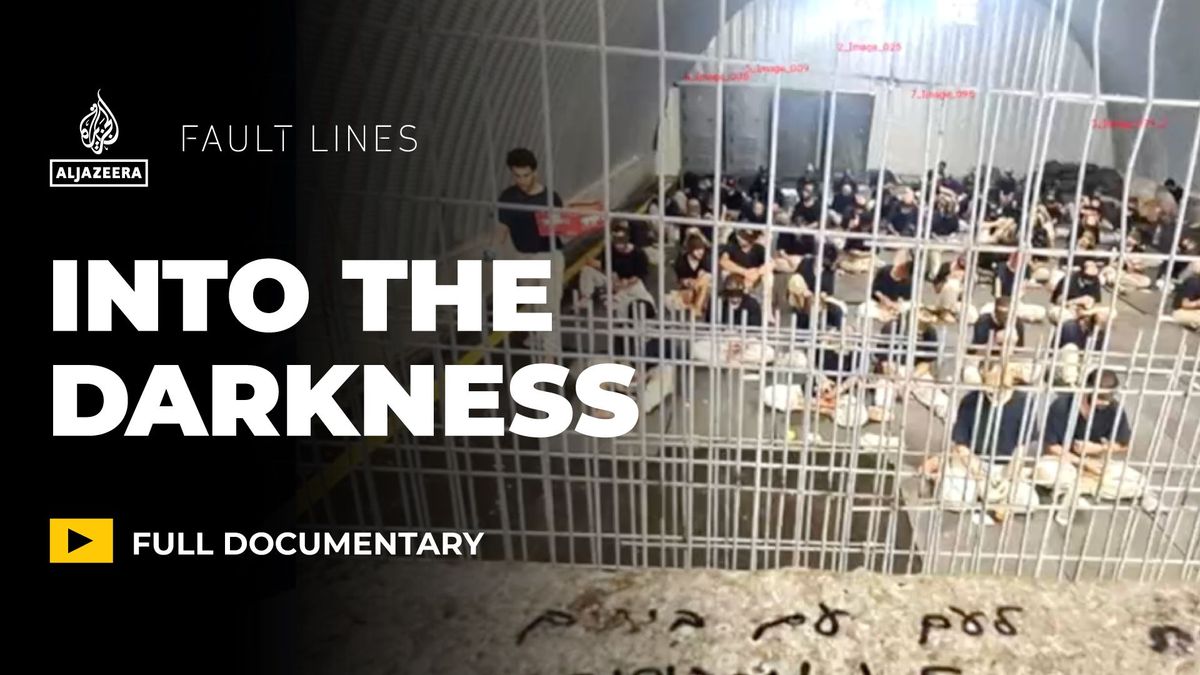
A new documentary titled 'Into the Darkness,' released on July 2, 2026, has brought to light grave allegations of systematic torture and abuse against Palestinian prisoners and detainees within the Israeli prison system and military detention facilities. The film, produced by Al Jazeera's 'Fault Lines,' presents powerful firsthand testimonies from former detainees, detailing a range of abuses including beatings, starvation, sexual violence, medical neglect, and psychological torment.
The investigation focuses on the experiences of individuals such as Mohammad Ibrahim, a Palestinian American arrested at 15, and a former detainee from Gaza whose account includes extreme sexual violence. These testimonies collectively paint a picture of a detention system that, according to rights groups and former prisoners featured in the documentary, operates with a concerning degree of impunity. The film further alleges that these practices are carried out under the authority of the Israeli military and Israeli officials, specifically naming National Security Minister Itamar Ben-Gvir.
The release of 'Into the Darkness' carries significant geopolitical and human rights implications. What is alleged is not merely isolated incidents but a pattern of systematic abuse, which, if substantiated, would constitute serious violations of international law, including the Fourth Geneva Convention and the UN Convention Against Torture. These conventions prohibit torture and inhumane treatment of detainees, particularly in occupied territories.
Why these allegations matter extends beyond individual suffering. They directly challenge Israel's international standing and its relationships with key allies, particularly the United States, given the involvement of a Palestinian American citizen. Such claims can fuel diplomatic tensions, potentially leading to calls for international investigations, sanctions, or increased scrutiny from bodies like the International Criminal Court (ICC) or the United Nations Human Rights Council.
How these allegations are presented—through detailed firsthand accounts and an examination of official involvement—lends them considerable weight, demanding a robust response from the international community. The alleged involvement of high-ranking officials, such as Minister Ben-Gvir, further complicates the narrative, suggesting a potential top-down authorization or tolerance of such practices, which could have profound implications for accountability.
The context of these allegations is the long-standing Israeli-Palestinian conflict, where issues of detention and human rights are deeply contentious. Where these events are alleged to occur—across Gaza, the occupied West Bank, and within Israeli facilities—underscores the pervasive nature of the conflict's impact on civilian populations. The documentary's filming locations, which also include Tel Aviv, Florida, and London, highlight the global reach of the issue, touching on diaspora communities and international advocacy efforts.
From a regional stability perspective, these allegations risk exacerbating existing tensions and further eroding trust between Israelis and Palestinians. They can also galvanize international solidarity movements and increase pressure on governments to take a more assertive stance on human rights in the region. For Israel, the challenge lies in addressing these claims transparently and credibly to mitigate damage to its reputation and avoid further isolation on the international stage.
The immediate consequences could include renewed calls for independent investigations into Israel's detention practices, potentially leading to legal challenges in international courts. Diplomatically, the issue is likely to feature prominently in bilateral discussions and multilateral forums, with allies potentially urging Israel to ensure accountability and adherence to international human rights standards. The documentary's impact on public opinion, particularly in Western nations, could also shift the discourse surrounding the conflict, emphasizing the human cost of prolonged occupation and conflict.
Ultimately, 'Into the Darkness' serves as a critical piece of public-interest reporting, compelling a deeper examination of human rights within the Israeli-Palestinian conflict and underscoring the urgent need for transparency and accountability in detention systems globally. The international community's response will be crucial in determining the long-term implications of these serious allegations.
Source referenced: ALJAZEERA
This brief was synthesized by our Editorial Engine and reviewed by The Ground Narrative team.


