TRENDING

Sunday, 18 October 2026
----------------------
7 Jumada Al-Awwal 1448 AH
Algeria's bid for a larger EU energy role and its diplomatic overtures reflect a strategic pivot in the face of regional tensions and shifting global dynamics.
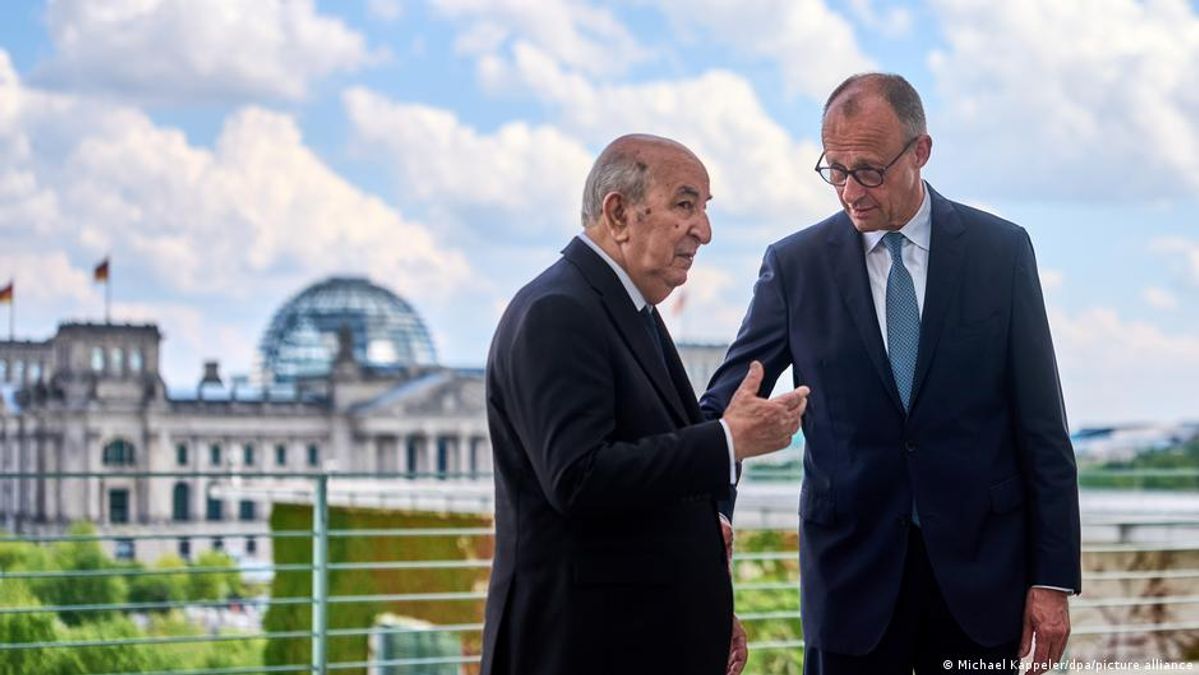
Algeria's recent visit by President Abdelmadjid Tebboune to Berlin, marked by a joint statement with German Chancellor Friedrich Merz, highlights the country's growing importance in the European energy landscape. The two leaders emphasized the quality of cooperation between their countries and pledged to deepen long-term energy cooperation, with a focus on expanding natural gas supplies and cooperation on renewable energies.
Algeria is home to Africa's second-largest proven natural gas reserves after Nigeria and is the continent's largest natural gas producer. The country's state-owned energy company, Sonatrach, has delivered the first shipment of liquefied natural gas (LNG) directly to Germany's Wilhelmshaven 1 floating LNG import terminal. A direct pipeline to Germany would eliminate the need for liquefaction, LNG shipping, and regasification, reducing transport costs for gas deliveries.
The war in Iran and the disruption of oil exports via the Strait of Hormuz have reinforced Algeria's energy importance. Its pipeline gas reaches southern Europe without passing through Gulf shipping lanes, offering European governments supply diversification at a time of renewed concern about energy security. Algeria's value for Europe extends beyond gas, with cooperation on counterterrorism, migration, and Mediterranean stability.
Algeria's location at the crossroads between North Africa and the Sahel region makes it a pivotal actor in regional security and stability. The country has cooperated with European countries on migration management, including returns, border issues, and combating smuggling networks. Algeria's diplomatic standing is also notable, maintaining relations with both Iran and the United States, as well as the Gulf countries, China, and Russia.
Algeria's expanding geopolitical value has altered the balance of international engagement, giving the country greater scope to pursue its domestic agenda with reduced external pushback. However, Algeria's political system remains controversial, and the country continues to grapple with youth unemployment, with the latest available World Bank estimate putting youth unemployment at around 29-30%. The prosecution of journalists, activists, and critics also remains a concern.
Algeria's strategic pivot reflects a calculated response to regional tensions and shifting global dynamics. The country's bid for a larger EU energy role and its diplomatic overtures demonstrate its growing importance in the European energy landscape. As Algeria continues to navigate its domestic challenges, its regional and global influence will likely remain a key factor in shaping the future of North Africa and the Sahel region.
Editor's Note: This analysis is based on publicly available information and may not reflect the full complexity of the situation.
Source referenced: DW
This brief was synthesized by our Editorial Engine and reviewed by The Ground Narrative team.