TRENDING

Wednesday, 14 October 2026
----------------------
3 Jumada Al-Awwal 1448 AH
A devastating fire at an orphanage in Algiers claimed 11 lives and injured 19, underscoring critical issues of public safety infrastructure and the escalating impact of climate change in Algeria. The incident prompts scrutiny of state welfare provisions and emergency preparedness amidst a severe heatwave.
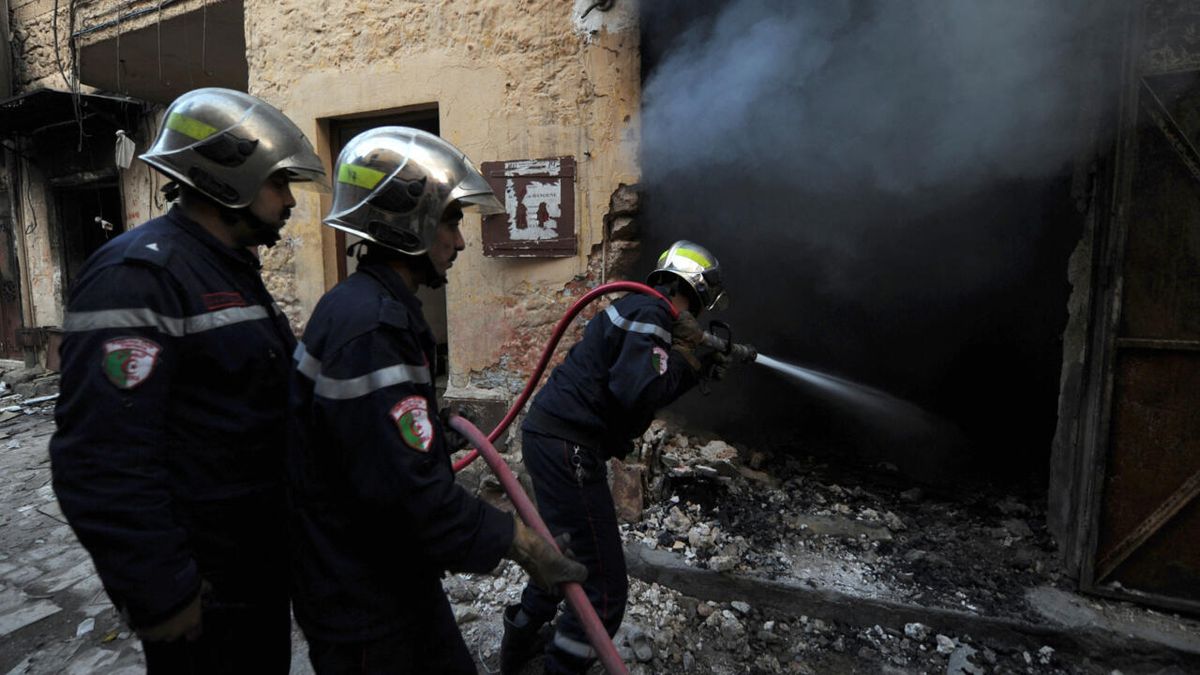
An early morning fire on Thursday, July 16, 2026, at an orphanage in the Mohammadia district, an eastern suburb of Algeria's capital, Algiers, resulted in the deaths of at least 11 individuals and left 19 others injured. The tragic incident, confirmed by the country's civil defense, has cast a somber light on the vulnerabilities within public welfare infrastructure and the broader challenges facing Algeria, particularly in the context of extreme environmental conditions.
The blaze, which broke out in the early hours, prompted an immediate response from civil defense units. While the cause of the fire remains under investigation, the provisional toll of 11 fatalities, with 10 of the injured suffering burns of varying severity, underscores the rapid and destructive nature of the event. Emergency crews successfully evacuated five people with disabilities from the facility, highlighting the particular vulnerability of the orphanage's residents. The ages of the victims have not yet been disclosed, intensifying public concern over the welfare of children and other dependents in state care.
The incident in Mohammadia brings into sharp focus the state of public safety and infrastructure in facilities designed to care for vulnerable populations. Orphanages, often housing individuals with limited mobility or specific needs, require stringent safety protocols, modern fire suppression systems, and robust emergency evacuation plans. The high casualty count suggests potential deficiencies in these areas, raising questions about the adequacy of funding, maintenance, and oversight for such critical institutions in Algeria.
For any government, the protection of its most vulnerable citizens is a fundamental responsibility. A tragedy of this scale within a state-run or state-supervised facility can erode public trust and prompt calls for greater accountability and transparency. It necessitates a thorough investigation not only into the immediate cause of the fire but also into the systemic factors that may have contributed to the devastating outcome, including building codes, safety inspections, and staff training.
The timing of this tragedy is particularly salient given the severe heatwave gripping Algeria. State news agency APS reported that civil protection units had extinguished 913 fires nationwide since July 8, citing the General Directorate of Civil Protection. This widespread incidence of fires underscores the profound impact of climate change on the North African nation, which is increasingly experiencing prolonged periods of extreme heat and drought. Such conditions create an environment highly conducive to the rapid spread of fires, placing immense strain on emergency services and national resources.
The link between climate change and humanitarian crises is becoming increasingly undeniable. While the direct cause of the orphanage fire is still unknown, the broader context of a country battling hundreds of blazes suggests that environmental factors are significantly exacerbating existing vulnerabilities. This situation highlights the urgent need for Algeria, and indeed other nations facing similar challenges, to integrate climate resilience into all aspects of infrastructure planning, public safety protocols, and disaster preparedness strategies.
From a geopolitical perspective, while an internal tragedy, such events can have ripple effects on a nation's stability and international standing. Algeria, a significant regional player in North Africa and a key energy producer, faces ongoing socio-economic challenges. The government's response to this crisis—its investigation, support for victims' families, and commitment to preventing future occurrences—will be closely watched both domestically and by international observers. A perceived failure to adequately address public safety and welfare issues could fuel social discontent and potentially impact the government's legitimacy.
Furthermore, the incident serves as a stark reminder of the global public-interest crisis posed by climate change. As extreme weather events become more frequent and intense, nations worldwide are grappling with their capacity to protect populations and critical infrastructure. For Algeria, this tragedy underscores the dual challenge of modernizing its social welfare infrastructure while simultaneously adapting to the escalating environmental threats posed by a changing climate. The path forward will require not only immediate humanitarian aid and robust investigations but also long-term strategic investments in resilience and sustainable development to safeguard its citizens against future calamities.
Source referenced: FRANCE24
This brief was synthesized by our Editorial Engine and reviewed by The Ground Narrative team.