TRENDING

Friday, 18 September 2026
----------------------
7 Rabi' Al-Thani 1448 AH
Disinformation floods the Houthi‑Saudi clash, with AI‑generated clips shaping global perception while ordinary Yemenis and Saudis bear the hidden toll.
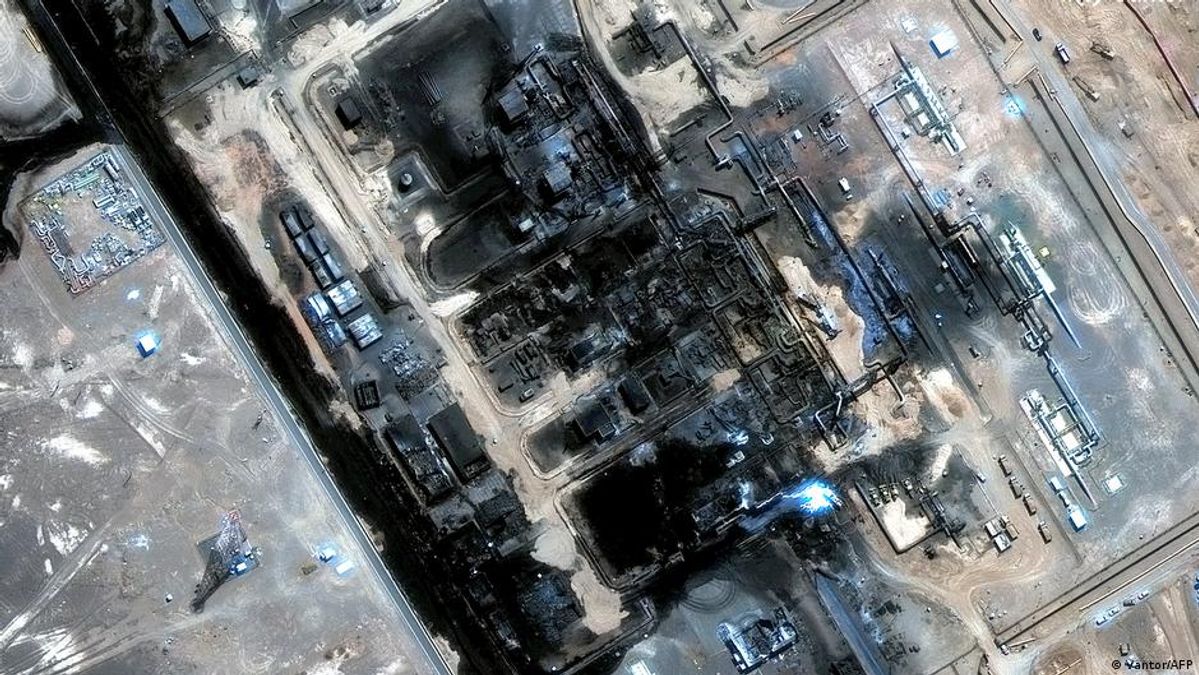
The Houthi rebels, backed by Iran, have recently surged along Yemen’s Red Sea coast, seizing key points around the Bab el‑Mandeb Strait and prompting Saudi airstrikes. At the same time, short video clips – some AI‑fabricated, others repurposed from older footage – have gone viral on X, each claiming to show fresh explosions or ambushes in Saudi territory.
The conflict sits at the intersection of three incentive structures. First, regional power projection: Saudi Arabia seeks to demonstrate that it can protect its borders and the vital shipping lane, while the Houthis aim to prove they can strike deep into Saudi territory, reinforcing Iran’s leverage. Second, information warfare: both sides benefit from narratives that amplify their military successes or the opponent’s weakness, because perception shapes foreign aid, arms sales, and diplomatic pressure. Third, global market stakes: the Red Sea is a conduit for a fifth of world oil trade; any disruption triggers price spikes, giving external powers – the United States, Europe, China – a reason to stay engaged or intervene, often through proxy support.
While analysts debate missile ranges, ordinary Yemenis face a daily reality of shattered infrastructure, displaced families, and a crippled economy. The pipeline workers at the East‑West Saudi oil line, for example, live under constant threat of air raids, yet receive little compensation or protection. In coastal towns like Hodeidah, fishermen watch their catches vanish as naval blockades tighten, pushing them into poverty. Saudi civilians near the border endure frequent sirens and the psychological strain of unpredictable drone strikes, a stress that rarely appears in official briefings. The human toll is amplified by a media vacuum: journalists are barred, hospitals lack supplies, and humanitarian aid is delayed, leaving civilians to shoulder the cost of both the fighting and the misinformation that obscures it.
The viral clips expose a systemic blind spot in the conflict’s narrative. State actors and their allies downplay the role of AI‑generated content because acknowledging it would undermine claims of battlefield transparency. Meanwhile, platforms profit from engagement, allowing sensationalist videos to spread unchecked. The reuse of old footage – a convoy drill from April 2024 recast as a recent Houthi ambush – illustrates how information scarcity becomes a market for fabricated proof. Iran’s covert support for the Houthis includes not just weapons but also digital expertise that can produce convincing deepfakes, a tool that muddies attribution and hampers external verification. This opacity benefits all powerful parties: Saudi Arabia can claim a justified response, Iran can signal reach without overt escalation, and global powers can cite “unstable” conditions to justify continued military presence.
Watch for three converging signals. First, increased investment by regional actors in AI‑based propaganda units – a trend that could make fabricated battlefield footage routine. Second, any shift in Saudi‑U.S. coordination on Red Sea security; a de‑escalation could reduce the appetite for sensationalist content, while a hardening stance may fuel more disinformation to justify further strikes. Third, the response of international fact‑checking networks and platform policies. If they manage to flag deepfakes faster, the narrative gap may shrink, giving journalists a better chance to report on the ground realities. Until then, the line between real explosions and computer‑rendered fireballs will remain a battlefield in its own right.
Editor's Note: All factual references are drawn from the provided DW fact‑check; broader strategic analysis reflects publicly known regional dynamics.
Source referenced: DW
This brief was synthesized by our Editorial Engine and reviewed by The Ground Narrative team.