TRENDING

Tuesday, 27 October 2026
----------------------
16 Jumada Al-Awwal 1448 AH
African Development Bank warns of up to $20 billion losses and mass migration due to the anticipated 'super' El Nino weather pattern, highlighting the urgent need for climate adaptation and resilience.
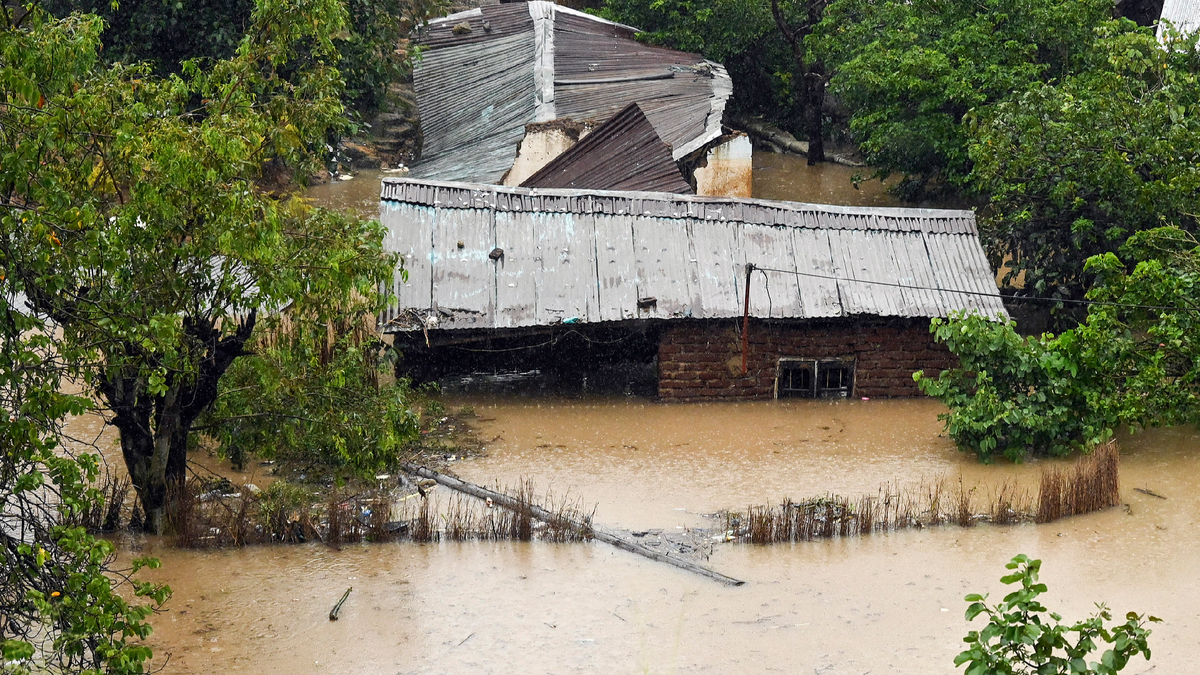
The African Development Bank (AfDB) has sounded the alarm on the impending 'super' El Nino weather pattern, warning of catastrophic consequences for the continent. The bank estimates that African economies could suffer losses of up to $20 billion, with mass migration and humanitarian pressures adding to the problems.
The 'super' El Nino event is expected to be one of the strongest on record, with severe droughts in Southern Africa and heavy rains and flooding in East Africa. The impacts will extend beyond agriculture, threatening food and water security, public finances, and banking systems. The AfDB estimates that African farmers already face nearly $330 million in lost income this year, while fishing industries could suffer from rising sea temperatures and stronger storms.
The African continent is particularly vulnerable to the effects of El Nino, with many countries already facing significant development challenges. The bank has identified Sudan, South Sudan, the Democratic Republic of the Congo, Somalia, Mali, Burundi, and Nigeria as countries that could face particularly severe impacts. The price of maize, a key food staple in many affected countries, is expected to double, exacerbating food insecurity and humanitarian pressures.
The AfDB is preparing to intensify its response to the anticipated El Nino, with a bank-wide seminar scheduled for September to assess the potential impact on both planned and existing investments. The bank plans to restructure projects to help countries manage the effects of El Nino and will work with governments to access additional multilateral financing, including support from the Green Climate Fund.
The African Development Bank's warning highlights the urgent need for climate adaptation and resilience in Africa. The continent requires significant investment in climate-resilient infrastructure, agriculture, and water management to mitigate the impacts of El Nino and other climate-related disasters. The international community must come together to support African countries in their efforts to build resilience and adapt to the changing climate.
The humanitarian cost of the 'super' El Nino event will be significant, with mass migration and displacement of people expected. The AfDB estimates that up to $100 billion could be required to address the humanitarian needs of affected countries. The international community must be prepared to provide support to African countries to address the humanitarian consequences of this disaster.
The African Development Bank's warning on the 'super' El Nino event highlights the urgent need for climate adaptation and resilience in Africa. The continent requires significant investment in climate-resilient infrastructure, agriculture, and water management to mitigate the impacts of El Nino and other climate-related disasters. The international community must come together to support African countries in their efforts to build resilience and adapt to the changing climate.
Editor's Note: The AfDB's estimate of up to $20 billion losses is based on current trends and may be subject to revision as more data becomes available.
Source referenced: CGTN
This brief was synthesized by our Editorial Engine and reviewed by The Ground Narrative team.