TRENDING

Thursday, 15 October 2026
----------------------
4 Jumada Al-Awwal 1448 AH
A tragic accident in eastern Afghanistan, killing 22 recently returned refugees, highlights the severe humanitarian crisis and systemic challenges facing the nation. The incident underscores the perilous conditions endured by returnees and the urgent need for improved infrastructure and safety measures.
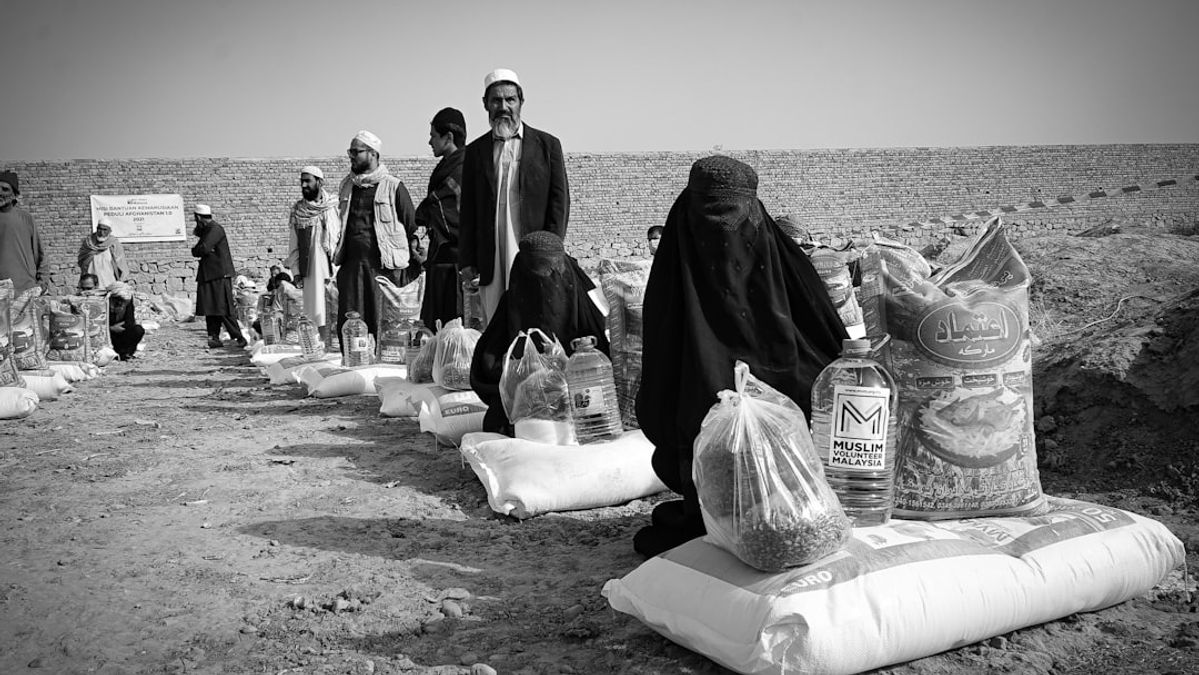
On May 30, 2026, a devastating incident in Afghanistan's eastern Laghman Province claimed the lives of at least 22 individuals and injured 36 others when a truck carrying recently returned Afghan refugees overturned. Officials attributed the accident to the driver losing control of the vehicle, prompting an investigation into the circumstances. This tragedy, while an isolated event in its immediate cause, casts a stark light on the profound humanitarian crisis and systemic vulnerabilities that continue to plague Afghanistan, particularly for its returning populations.
The victims were identified as recently returned Afghan refugees, a detail that carries significant geopolitical weight. For decades, Afghanistan has been a primary source of refugees globally, with millions seeking asylum in neighboring countries like Pakistan and Iran, as well as further afield. The phrase "recently returned" suggests these individuals were likely part of ongoing repatriation efforts, which can be voluntary, incentivized, or, at times, pressured by host nations. Both Pakistan and Iran have, at various points, implemented policies encouraging or compelling Afghan refugees to return, citing economic strain, security concerns, or demographic pressures within their own borders. The return journey itself is often fraught with peril, undertaken through informal channels or with inadequate support, making returnees particularly vulnerable.
The incident in Laghman Province is not merely a traffic accident; it is a symptom of the broader instability and humanitarian emergency gripping Afghanistan. Since the Taliban's return to power in August 2021, the country has faced severe economic collapse, widespread poverty, and a drastic reduction in international aid and development assistance. This has exacerbated an already fragile infrastructure, leaving essential services, including transportation networks, in a state of disrepair. The use of a single truck to transport such a large number of people points to a critical lack of safe, regulated, and affordable public transport options, a common indicator of economic desperation among both the travelers and the transport providers.
For returnees, the challenges are multifaceted. They often return to a country where their homes may have been destroyed, land occupied, or communities dispersed by conflict. Livelihood opportunities are scarce, and access to basic services like healthcare, education, and clean water is severely limited. The journey back, often across rugged terrain and poorly maintained roads, becomes another layer of risk. The driver losing control, while potentially a human error, could also be indicative of poor road conditions, overloaded vehicles, or a lack of regulatory oversight – all systemic issues prevalent in a nation struggling with governance and resource allocation.
This tragedy underscores the regional implications of Afghanistan's protracted crisis. The continuous flow of refugees and returnees impacts the stability and resources of neighboring states, creating complex diplomatic and humanitarian challenges. The international community, which largely withdrew its direct support and presence after 2021, faces persistent calls to address Afghanistan's humanitarian needs without legitimizing the de facto authorities. Incidents like this serve as a stark reminder of the human cost of this geopolitical dilemma, highlighting the urgent need for sustained humanitarian assistance and development support focused on basic needs and infrastructure.
Furthermore, the accident implicitly raises questions about the capacity of the de facto Afghan authorities to ensure the safety and well-being of their citizens, particularly vulnerable populations like returnees. While an investigation has been launched, the long-term solutions require significant investment in infrastructure, robust safety regulations, and comprehensive support programs for returning refugees. Without these, such tragic incidents are likely to recur, perpetuating a cycle of suffering and instability.
In conclusion, the fatal truck accident in Laghman Province is a poignant reminder of the ongoing humanitarian catastrophe in Afghanistan. It highlights the perilous journeys of returnees, the dire state of the country's infrastructure, and the profound challenges facing both the Afghan people and the international community in addressing a crisis of immense geopolitical and human scale. The incident underscores the urgent need for a concerted, humanitarian-focused approach to alleviate suffering and build a more stable future for Afghanistan.
Source referenced: ALJAZEERA
This brief was synthesized by our Editorial Engine and reviewed by The Ground Narrative team.


