TRENDING

Sunday, 15 November 2026
----------------------
5 Jumada Al-Thani 1448 AH
Brunei Darussalam's economy is profoundly shaped by its energy exports, with over half its merchandise trade directed to Australia, China, and Japan. This reliance creates both wealth and significant vulnerability for the small Southeast Asian nation.
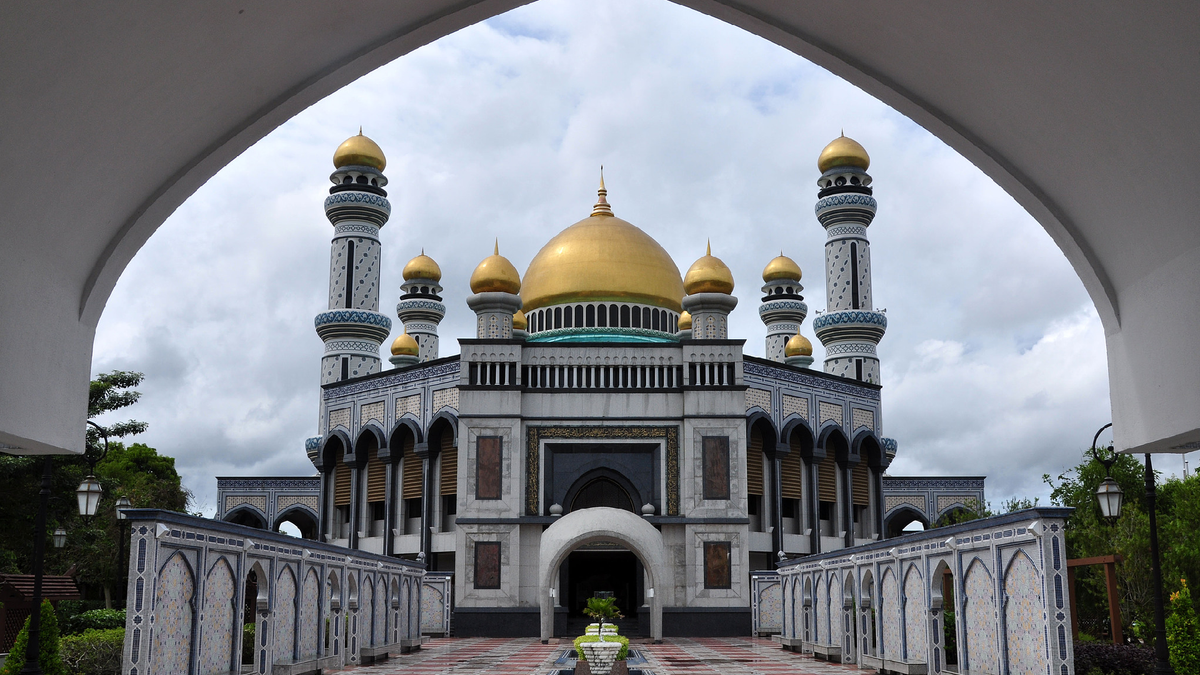
Brunei Darussalam, a small, resource-rich nation in Southeast Asia, saw over half of its merchandise exports in 2024 directed to just three APEC economies: Australia, China, and Japan. According to data from Brunei's Department of Economic Planning and Statistics, these three partners accounted for BND 7.65 billion (approximately USD 5.6 billion) of its total exports. The primary commodities driving this trade are mineral fuels and chemicals, underscoring Brunei's deep integration into the Asia-Pacific energy market as a key supplier of hydrocarbons.
Brunei's economic structure is a classic example of a rentier state, where the government derives a significant portion of its revenue from the sale of indigenous natural resources, primarily oil and natural gas. This model has historically afforded its citizens a high standard of living, with generous social welfare programs and no income tax. However, it also creates an inherent vulnerability: the nation's prosperity is inextricably linked to global energy prices and the demand from a concentrated group of buyers.
The power dynamic in this relationship is multifaceted. On one side, Brunei possesses valuable resources that are crucial for the energy security of some of the world's largest economies. This gives Brunei a seat at the table in regional economic discussions and ensures a steady stream of revenue. On the other side, the sheer economic scale of China, Japan, and Australia grants them considerable leverage. As major consumers, their purchasing decisions, economic growth, and shifts in energy policy directly impact Brunei's national income and long-term economic stability.
China, as the world's largest energy consumer, views Brunei as a reliable source of liquefied natural gas (LNG) and crude oil, fitting into its broader strategy of diversifying energy imports and securing supply chains. Japan, a nation heavily reliant on imported energy, has long-standing relationships with Brunei to ensure its industrial and domestic energy needs are met. For Australia, while also a significant energy exporter, its relationship with Brunei is part of its broader engagement with Southeast Asia, fostering regional stability and trade links.
This trade relationship extends beyond mere economics into the realm of geopolitics. Brunei, a member of ASEAN, finds itself navigating the complex interplay of great power competition in the Indo-Pacific. Its economic ties to China are particularly significant, given Beijing's growing influence in the region through initiatives like the Belt and Road Initiative and its assertive posture in the South China Sea, where Brunei is also a claimant. While Brunei maintains a generally neutral stance in regional disputes, its economic dependence on China could subtly influence its diplomatic flexibility and alignment on certain issues.
Furthermore, the long-term challenge for Brunei lies in its efforts towards economic diversification. Despite decades of recognizing the need to reduce reliance on hydrocarbons, the lucrative nature of oil and gas exports has made genuine, large-scale diversification difficult. The existing wealth generated by these exports allows the government to maintain social stability, but it also creates a disincentive for radical economic restructuring. The current trade figures highlight that, despite rhetoric, the core economic engine remains firmly rooted in fossil fuels, tying its fate to global energy markets and the strategic interests of its primary buyers.
The profound reliance on mineral fuel exports to a concentrated group of buyers carries significant human costs for the citizens of Brunei. While the current model provides substantial wealth and a high standard of living, it also creates a precarious future, especially for younger generations.
The most immediate human cost is the inherent economic vulnerability. A sudden, sustained drop in global oil and gas prices, or a significant shift in demand from its primary buyers (e.g., towards renewable energy), could severely impact Brunei's national income. This would directly threaten the generous social welfare programs—subsidized housing, healthcare, education, and fuel—that citizens have come to expect. Such a scenario could lead to reduced government spending, job losses in the dominant energy sector, and a decline in overall quality of life. For young Bruneians, this means a future where the traditional path to prosperity through state employment or the oil and gas industry may no longer be viable, leading to uncertainty and potentially, social unrest.
The lack of substantial economic diversification means that opportunities outside the hydrocarbon sector are limited. This stifles innovation and entrepreneurship, as the most talented individuals often gravitate towards the stable, well-paying jobs within the energy industry or the public sector. For those seeking careers in other fields, the options within Brunei are often scarce, leading to a
Source referenced: CGTN
This brief was synthesized by our Editorial Engine and reviewed by The Ground Narrative team.


