TRENDING

Monday, 5 October 2026
----------------------
24 Rabi' Al-Thani 1448 AH
An overloaded ferry capsized on Zimbabwe's Lake Kariba, resulting in at least 15 deaths and 27 missing persons. The incident highlights the country's ongoing challenges with safety and infrastructure. As search and rescue operations continue, questions arise about the circumstances leading to the tragedy and its implications for the local community.
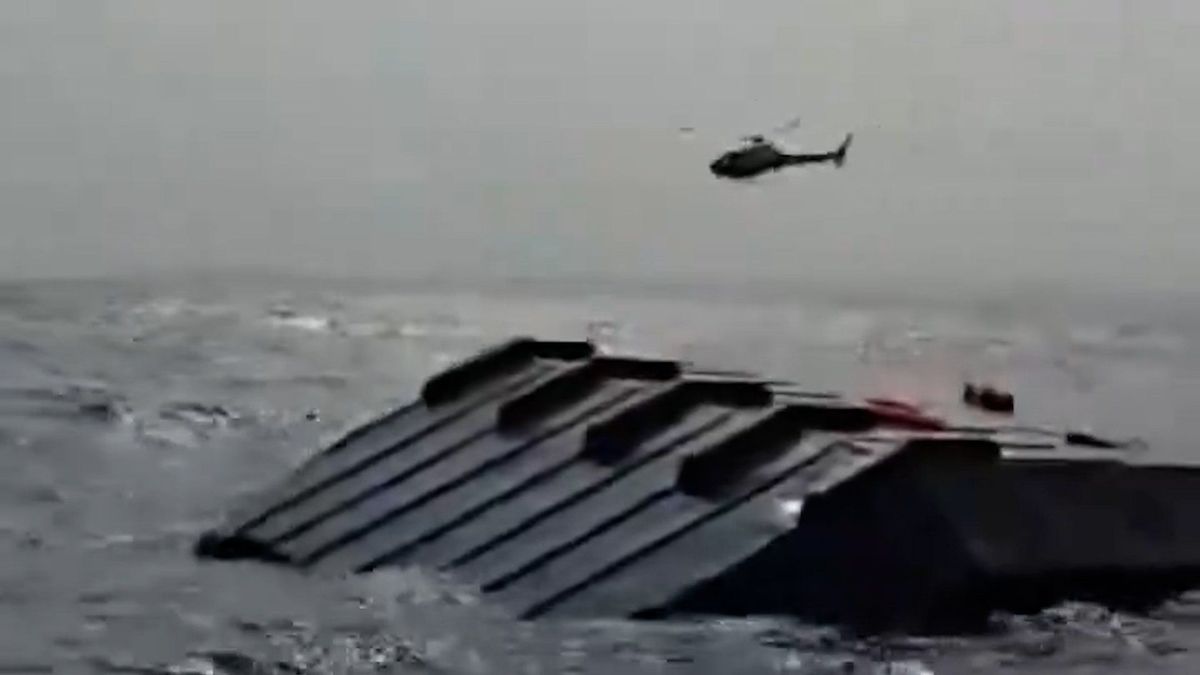
A ferry carrying over 100 people capsized on Lake Kariba in Zimbabwe, leaving a trail of death and destruction in its wake. The incident, which occurred due to overloading, has raised concerns about the state of the country's transportation infrastructure and the enforcement of safety regulations.
The ferry disaster on Lake Kariba is a symptom of a broader set of challenges facing Zimbabwe, including economic struggles, inadequate infrastructure, and weak regulatory frameworks. The government's inability to effectively manage and maintain its transportation systems has created an environment in which such tragedies can occur. Furthermore, the lack of investment in safety measures and emergency response capabilities exacerbates the human cost of these incidents.
The victims of the ferry disaster are not just statistics; they are individuals with families, friends, and communities that are now grieving and seeking answers. The human cost of this tragedy extends beyond the immediate loss of life, as it also affects the livelihoods of those who depend on the ferry for transportation and commerce. The incident has also raised concerns about the vulnerability of marginalized communities, who often bear the brunt of such disasters due to limited access to resources and support.
While the immediate cause of the ferry disaster is attributed to overloading, there are underlying issues that are being downplayed or omitted from the official narrative. These include the role of corruption and mismanagement in the transportation sector, as well as the impact of economic sanctions and international isolation on Zimbabwe's ability to invest in its infrastructure and safety measures. The international community's response to the disaster will be closely watched, as it may reveal the extent to which Zimbabwe's struggles are recognized and addressed globally.
As the search and rescue operations come to a close, the focus will shift to investigating the causes of the disaster and implementing measures to prevent similar incidents in the future. The Zimbabwean government's response to the tragedy will be crucial in determining the trajectory of the country's transportation sector and its ability to prioritize the safety and well-being of its citizens. The international community's engagement with Zimbabwe will also be an important factor in shaping the country's development and its ability to address its infrastructure and economic challenges.
Editor's Note: The analysis is based on publicly available information and may not reflect the full complexity of the situation on the ground.
Source referenced: ALJAZEERA
This brief was synthesized by our Editorial Engine and reviewed by The Ground Narrative team.


