TRENDING

Sunday, 25 October 2026
----------------------
14 Jumada Al-Awwal 1448 AH
Ukrainian President Volodymyr Zelensky's open letter to Russian President Vladimir Putin offering in-person peace talks has been met with rejection, but what does this diplomatic gambit reveal about the strategic motivations of both leaders?
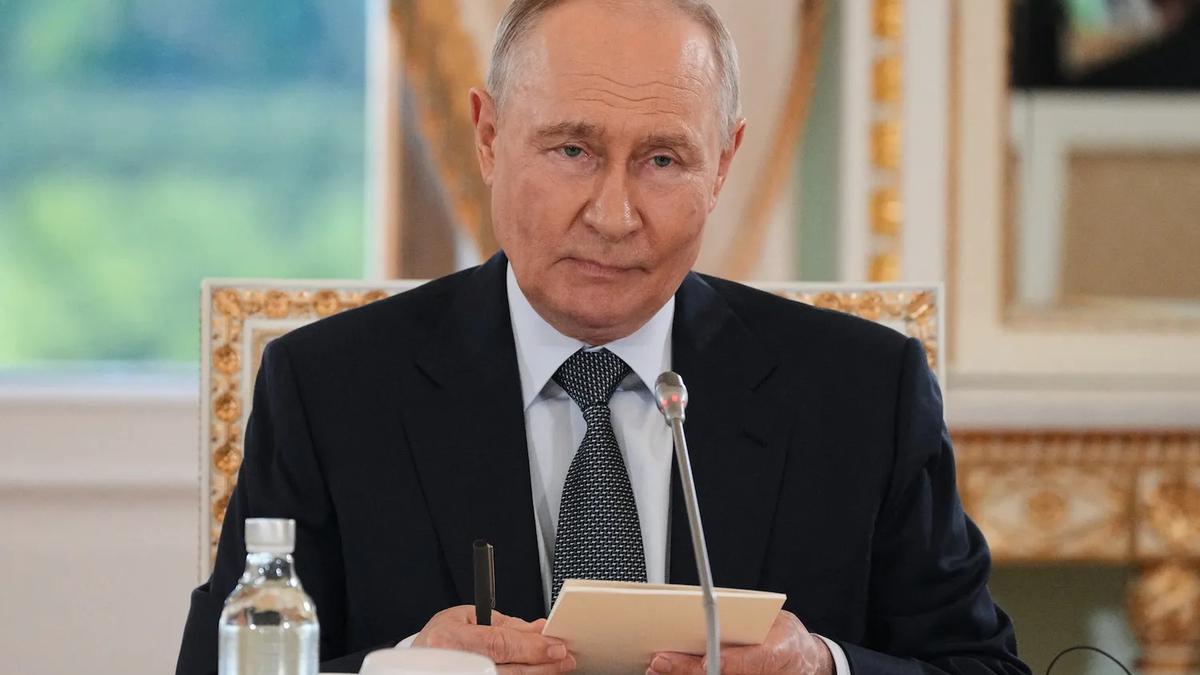
Ukrainian President Volodymyr Zelensky's open letter to Russian President Vladimir Putin offering in-person peace talks has been met with rejection, but what does this diplomatic gambit reveal about the strategic motivations of both leaders?
The conflict between Russia and Ukraine has been ongoing for four years, with both sides suffering significant losses. The war has also had a devastating impact on the global economy, with rising energy prices and supply chain disruptions. In this context, Zelensky's offer of peace talks is a significant development, as it suggests that Ukraine is willing to engage in direct negotiations with Russia to end the conflict.
Zelensky's decision to offer peace talks is likely driven by a desire to end the war and secure a lasting peace agreement. By engaging in direct negotiations with Putin, Zelensky hopes to bypass the United States, which has been seen as an ineffective mediator in the conflict. Zelensky's letter also suggests that he is aware of the growing fatigue among Russian citizens, who are increasingly disillusioned with the war effort. By highlighting this fatigue, Zelensky aims to pressure Putin into accepting a peace agreement.
Putin's rejection of Zelensky's offer is likely driven by a desire to maintain control over the conflict and prevent Ukraine from gaining a strategic advantage. By rejecting the offer, Putin is able to maintain the status quo and continue to pursue his military objectives in Ukraine. Putin's comments at the St. Petersburg International Economic Forum also suggest that he is aware of the growing pressure from the international community to end the conflict, but he is unwilling to compromise on his demands.
The rejection of Zelensky's offer has significant regional implications, as it suggests that the conflict is unlikely to be resolved through diplomatic means. The ongoing conflict is likely to continue to destabilize the region, with potential implications for European security and global energy markets. The rejection of Zelensky's offer also suggests that the international community may need to re-evaluate its approach to the conflict, as the current diplomatic efforts are unlikely to yield a lasting peace agreement.
The rejection of Zelensky's offer has significant future consequences, as it suggests that the conflict is likely to continue for the foreseeable future. The ongoing conflict is likely to have a devastating impact on the global economy, with rising energy prices and supply chain disruptions. The conflict is also likely to continue to destabilize the region, with potential implications for European security and global energy markets.
Zelensky's diplomatic gambit has been met with rejection, but what does this reveal about the strategic motivations of both leaders? The rejection of Zelensky's offer suggests that the conflict is unlikely to be resolved through diplomatic means, and that the international community may need to re-evaluate its approach to the conflict. The ongoing conflict is likely to continue to destabilize the region, with potential implications for European security and global energy markets.
Editor's Note: The analysis is based on publicly available information and may not reflect the full range of strategic motivations and implications of the conflict.
Source referenced: FOREIGNPOLICY
This brief was synthesized by our Editorial Engine and reviewed by The Ground Narrative team.