TRENDING

Tuesday, 6 October 2026
----------------------
25 Rabi' Al-Thani 1448 AH
Zambia's 2026 general election will determine the country's economic trajectory and democratic stability, with incumbent President Hakainde Hichilema facing 14 opponents. The election outcome will have significant implications for the region's democratic norms.
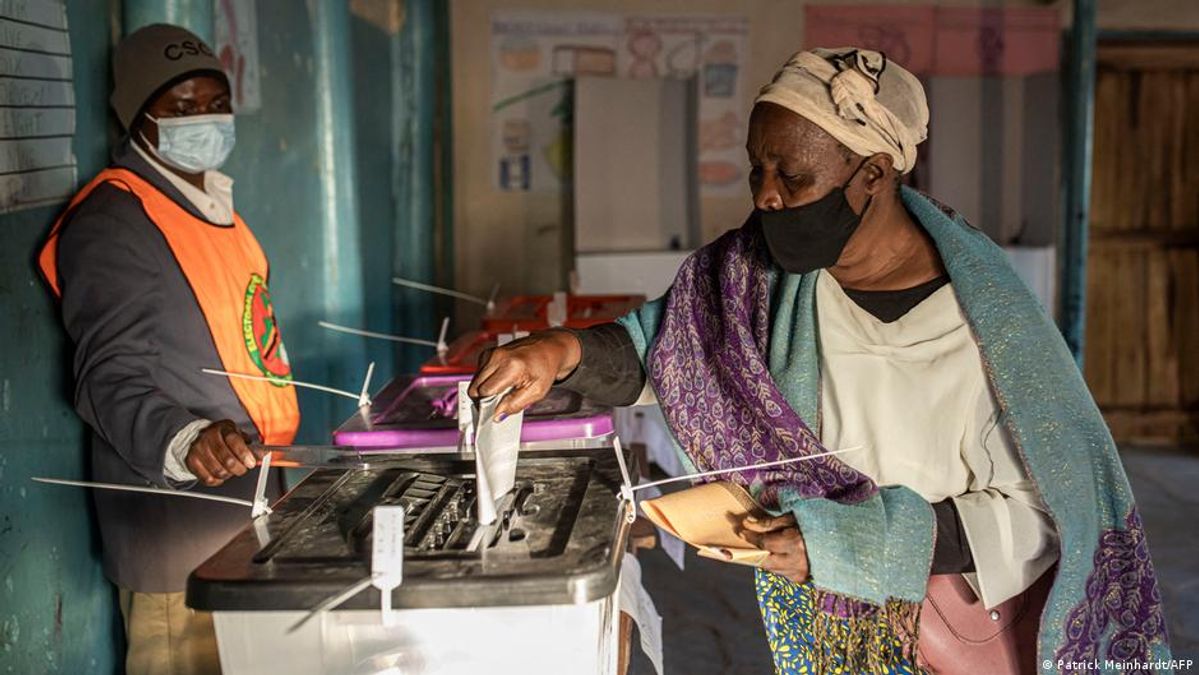
Zambia's 2026 general election is set to take place, with incumbent President Hakainde Hichilema seeking a second term against 14 opponents. The election will be fought on economic recovery, governance reforms, and a sweeping change to the country's parliamentary map. Up to 8.7 million voters are expected to take part, with economic issues dominating the campaign.
The election outcome will be influenced by urban centers such as Lusaka and the Copperbelt, where cost-of-living pressures are most acute. Rural provinces traditionally follow established party loyalties, with the UPND enjoying support in the Southern, Western, and North-Western provinces. The opposition targets the Northern, Luapula, and Eastern provinces. The high youth turnout that propelled President Hichilema to a landslide victory in 2021 is expected to be a decisive factor again.
The economic struggles of Zambian citizens are a major concern, with over 70% of the population living on less than three dollars a day. Many households survive on salaries between $60 and $100 a month, while grocery prices continue to rise. The cost of living is a significant issue, with voters calling for increased salaries and improved economic conditions. Women, who comprise roughly 51% of Zambia's population, hold only about 15% of parliamentary seats and face significant barriers to political participation.
The independence of Zambia's judiciary has been called into question, with concerns over executive interference in the appointment of judges and the delivery of justice. The suspension of three Constitutional Court judges in 2024 and the appointment of 16 new judges in 2026 have raised questions about the judiciary's ability to act independently. Amnesty International has warned that Zambian laws have been weaponized to restrict dissent and opposition gatherings, with a chilling effect on political expression.
The election outcome will have significant implications for Zambia's democratic stability and economic recovery. Readers should watch for the reaction of the international community, particularly the Southern African Development Community (SADC), to the election outcome. The ability of Zambia to host a peaceful transition or renewal of power will be a barometer for neighboring states, especially after recent defeats of incumbents in Botswana and Malawi. The role of women and youth in the election will also be crucial, with their participation and representation potentially shaping the country's future.
Editor's Note: The analysis is based on publicly available information and may not reflect the full complexity of the situation on the ground.
Source referenced: DW
This brief was synthesized by our Editorial Engine and reviewed by The Ground Narrative team.