TRENDING

Wednesday, 21 October 2026
----------------------
10 Jumada Al-Awwal 1448 AH
Recent violence in Yemen threatens a four-year truce between the Saudi-led coalition and Houthi forces, driven by regional power shifts and a desire to gain leverage without returning to full-scale war. Both sides are navigating a complex geopolitical landscape, impacting humanitarian efforts and Red Sea stability.
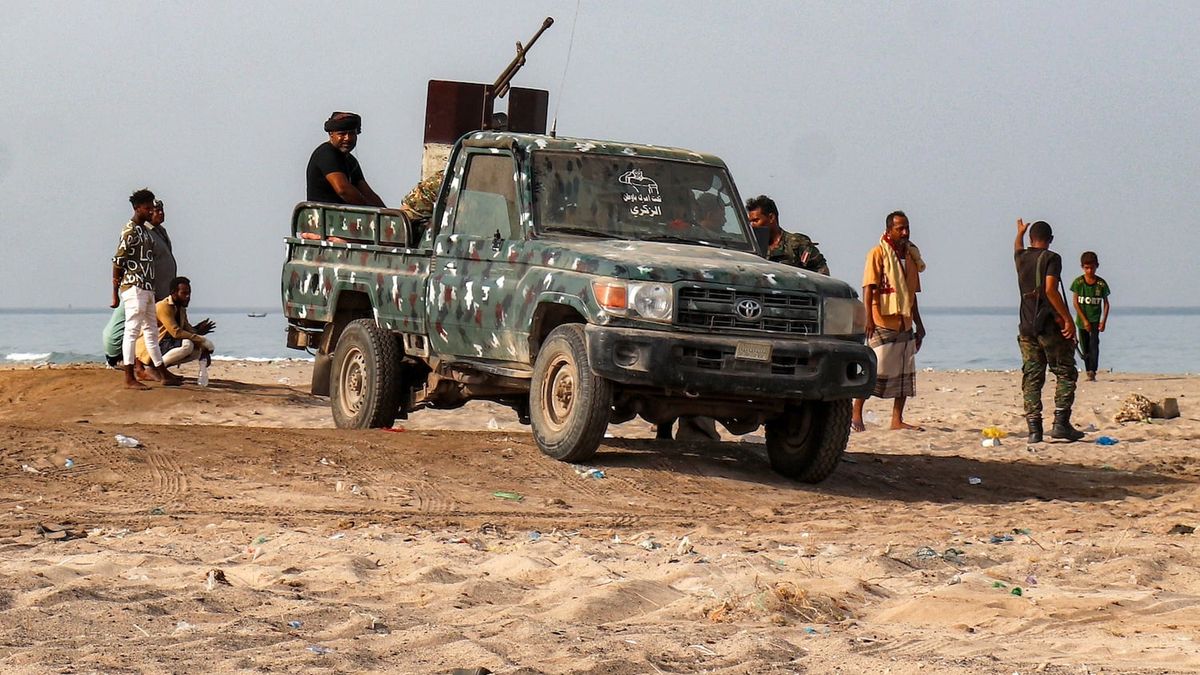
Recent developments in Yemen have cast a shadow over the four-year truce between the Saudi-led coalition and the Houthi political movement, Ansar Allah, raising fears of a return to full-scale conflict. Despite a series of escalating military actions and threats in mid-July 2026, both sides appear to be strategically maneuvering to increase their leverage rather than seeking an all-out war. This delicate balance is influenced by a perceived shift in regional power dynamics and the complex interplay of internal Yemeni factions, economic imperatives, and international diplomacy.
The immediate catalyst for the recent tensions was a Saudi airstrike on Sanaa International Airport on July 13, conducted on behalf of the internationally recognized Yemeni government (IRG) based in Aden. This action was a direct response to Ansar Allah's perceived transgression of a Saudi "red line": the arrival of an Iranian commercial flight at Sanaa on July 3, which subsequently transported a Houthi delegation to Tehran for the funeral of the late Iranian Supreme Leader. This marked the first commercial flight between Sanaa and Tehran in approximately a decade, challenging Saudi Arabia's long-standing restrictions on air and maritime traffic into Houthi-controlled territory, which Riyadh justifies as a measure to prevent Iranian arms shipments.
Ansar Allah swiftly retaliated for the Sanaa airport strike with missile attacks targeting Abha International Airport in southern Saudi Arabia. This was followed by threats from Ansar Allah leader Abdul-Malik al-Houthi against Saudi oil facilities. On July 20, Ansar Allah's military spokesman announced a full blockade on Saudi Arabia, framing it as a reciprocal measure against the existing Saudi blockade on Houthi territory. In response, the IRG declared its intention to resume oil exports from southern Yemen, a practice halted since Ansar Allah damaged oil export facilities in 2022. The maritime implications of this escalation were immediate, with reports of at least four ships altering their course to navigate via the Suez Canal, avoiding the potentially risky Bab el-Mandeb Strait.
The underlying motivations for this escalation are multi-faceted. Ansar Allah, emboldened by a perceived shift in the regional balance of power following Iran's success in a conflict with the United States and Israel, seeks to capitalize on its ally's gains. Their primary objective is to pressure Saudi Arabia into fully implementing the United Nations roadmap outlined in December 2023. This roadmap includes crucial provisions such as the opening of Sanaa airport and Hodeidah's port, the resumption of oil and gas exports, and the payment of public-sector salaries across Yemen, including in Houthi-controlled areas. The Houthis aim to lift the ongoing restrictions on movement into their territory, which they view as an economic and humanitarian chokehold.
Conversely, Saudi Arabia's actions are driven by a desire to manage its southern neighbor and protect its strategic interests without re-engaging in a costly, full-scale war. The Kingdom's Vision 2030 economic transformation plan relies heavily on attracting tourists and investors, making stability and security paramount. Houthi attacks on Saudi territory directly undermine these ambitions. After seven years of conflict, including a devastating blockade that failed to dislodge Houthi forces, Riyadh has shifted its strategy from outright military victory to managing the conflict. A critical concern for Saudi Arabia is maintaining the unimpeded flow of maritime traffic through the Bab el-Mandeb Strait, a route that has become increasingly vital for its oil exports, especially given the prolonged closure of the Strait of Hormuz.
However, the path to implementing the UN roadmap is fraught with complications. The Trump administration's designation of Ansar Allah as a foreign terrorist organization in March 2025 has created legal impediments for Saudi Arabia to directly fund public-sector salaries in Houthi-controlled areas, despite Riyadh's significant financial support to the IRG. This legal hurdle complicates a key Houthi demand and may lead Ansar Allah to believe that Riyadh could influence Washington to lift the designation. Furthermore, the anti-Houthi coalition in Yemen remains fragmented. Despite Saudi Arabia's efforts in early 2026 to consolidate control over the IRG and its allies, internal frustrations among separatist forces in southern Yemen, exacerbated by declining basic services, continue to undermine a unified front against the Houthis. Recent Israeli bombardment has also damaged key Houthi-controlled ports like Hodeidah, Ras Isa, and al-Salif, reducing both revenue and fuel availability in their territory.
The current situation represents a high-stakes bargaining game. While the bellicose rhetoric and military actions are concerning, both Saudi and Houthi leaders have strong incentives to avoid a full-blown return to war. For the Houthis, joining a broader regional conflict on Iran's behalf might not garner domestic support, and they wish to avoid a resumption of U.S. bombardment, which previously inflicted significant damage. For Saudi Arabia, the economic costs and the threat to its Vision 2030 are too high.
The human cost of this protracted conflict remains devastating. Yemen continues to face one of the world's largest food insecurity crises, with famine conditions in Houthi-held areas and acute food insecurity affecting nearly half the population in IRG-controlled territories. Humanitarian aid efforts are severely underfunded, receiving only a fraction of the requested amount in 2025. The closure of the Strait of Hormuz further exacerbates the crisis by driving up prices for essential goods like food, fuel, and fertilizer. The recent violence has already led to the postponement of a UN-brokered prisoner exchange, a crucial trust-building measure.
As both sides seek to strengthen their bargaining positions, the possibility of renewed external military intervention, potentially involving a U.S.-led coalition, looms. However, past experience suggests that such actions are unlikely to fundamentally alter the balance of power, instead promising only more suffering for the Yemeni populace. A durable peace in Yemen will require more than military solutions; it necessitates a comprehensive diplomatic approach that addresses the core grievances and strategic interests of all parties involved, while prioritizing the dire humanitarian needs of the Yemeni people.
Editor's Note: The analysis incorporates the source's framing of 'Iran’s success in the war with the United States and Israel' and 'the Strait of Hormuz remains closed' as contextual elements influencing regional perceptions and strategic decisions, without independently verifying these specific claims.
Source referenced: FOREIGNPOLICY
This brief was synthesized by our Editorial Engine and reviewed by The Ground Narrative team.